
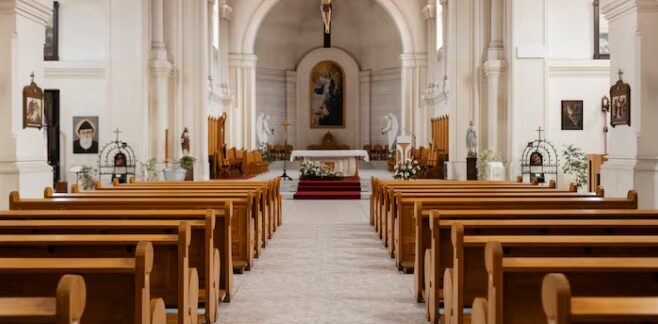
Churches in the UK have long stood as remarkable symbols of history, culture, and community. They captivate visitors with their stunning architecture, intricate details, and serene atmospheres. Many churches in the UK offer more than just a place of worship; they serve as cultural hubs, hosting events, concerts, and community gatherings. As you explore these sacred spaces, you can appreciate both their historical significance and their ongoing role in modern society.
Moreover, churches in the UK often provide a welcoming environment for people of all backgrounds. From peaceful meditation to active participation in community programs, these churches invite everyone to connect and reflect. Visitors can witness centuries of craftsmanship, from stained glass windows to elaborately carved stonework, which tell stories of faith and tradition. In addition, these churches frequently organise educational tours and activities, making them accessible and engaging for all ages.
Best churches in the UK
When exploring the best churches in the UK, it is important to consider both their architectural splendour and the role they play in local communities. Many churches combine historical charm with vibrant community life, offering a space for reflection, social events, and spiritual growth. Their impressive structures and serene interiors provide a sense of calm, inviting visitors to pause and appreciate the surroundings.
Furthermore, churches in the UK often offer free services, including guided tours, concerts, and community support programmes. These initiatives help maintain strong connections with the public while promoting cultural and spiritual enrichment. By attending events or participating in services, visitors can gain a deeper understanding of the traditions and values that have shaped these churches over centuries. Overall, churches in the UK continue to inspire, educate, and welcome people from all walks of life.
1- Chichester Cathedral
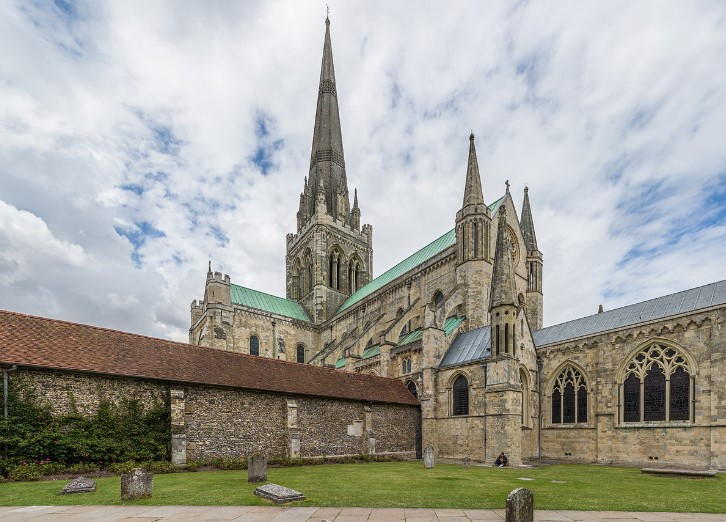
Chichester Cathedral stands as a remarkable example of medieval architecture in southern England. The cathedral’s striking spire dominates the skyline, drawing the eye across the surrounding cityscape. Built over centuries, it combines Romanesque foundations with later Gothic elements, creating a unique visual experience for visitors. Its intricate stonework and carefully designed proportions demonstrate the skill and dedication of generations of craftsmen.
The interior of Chichester Cathedral is rich with historical features and artistic treasures. The stained glass windows are particularly impressive, depicting biblical scenes in vibrant colours that change with the light throughout the day. These windows illustrate stories from scripture while adding a luminous warmth to the vast interior. The nave, with its elegant columns and arches, guides the eye naturally toward the high altar, emphasising both architectural harmony and spiritual focus. Visitors can explore various chapels, each with its own unique character and history, adding layers of depth to the cathedral experience.
Chichester Cathedral is also home to a remarkable collection of modern art and sculpture. Contemporary installations blend seamlessly with the historic surroundings, showing that this is a living building that continues to evolve. Music plays a central role in the cathedral’s life, with an accomplished choir performing regularly. This fusion of tradition and modernity allows worshippers and tourists alike to appreciate the cathedral not only as a place of faith but also as a cultural landmark. Seasonal events and exhibitions further enrich the visitor experience, making the cathedral a hub for both spiritual and artistic engagement.
Beyond its architecture and art, Chichester Cathedral has deep connections to the local community. It provides a space for reflection, celebration, and education, welcoming individuals from all walks of life. Outreach programmes and educational tours make the cathedral accessible and informative for students, families, and tourists.
Web: https://www.chichestercathedral.org.uk/
2- Canterbury Cathedral
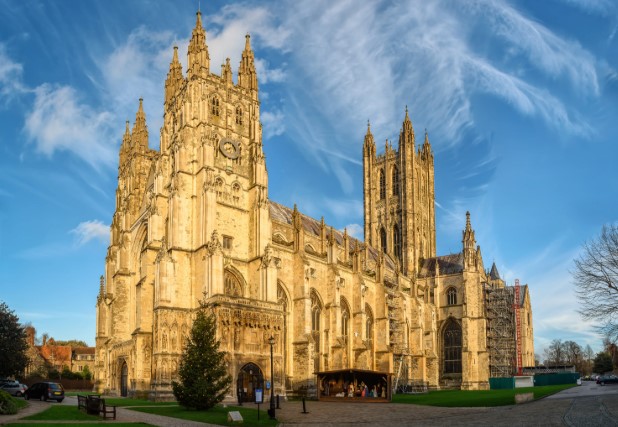
Canterbury Cathedral is one of the most iconic churches in the UK, renowned for its historical and religious importance. Founded in the 6th century, it has served as a centre of Christian worship for over a millennium. The cathedral’s towering Gothic architecture, with its impressive nave and intricate façade, reflects both spiritual aspiration and architectural mastery.
The interior of Canterbury Cathedral is filled with awe-inspiring details. The stained glass windows, dating from the medieval period, illuminate the space with vibrant, multicoloured light that tells stories of faith and devotion. Visitors can admire the vaulted ceilings, ornate stone carvings, and intricately decorated chapels that showcase centuries of religious craftsmanship. The cathedral’s choir and organ music contribute to the atmosphere, creating an immersive spiritual experience that resonates through the vast interior.
Canterbury Cathedral also holds great historical significance due to its association with prominent figures and events. It was famously the site of the martyrdom of Thomas Becket, which transformed it into a major pilgrimage destination in medieval Europe. Pilgrims from across the continent came to honour his memory, shaping both religious practice and local culture. Today, the cathedral continues to welcome pilgrims and tourists, offering guided tours, exhibitions, and educational programmes that explain its rich history and continuing influence on faith communities.
The cathedral’s role extends beyond worship and history. It actively engages with the community, hosting events, workshops, and services that welcome all visitors. Its extensive archives, library, and teaching resources make it a centre for learning about theology, history, and art. The surrounding precincts provide peaceful spaces for contemplation, allowing visitors to appreciate the cathedral’s spiritual and architectural grandeur.
Web: https://www.canterbury-cathedral.org/
3- Chester Cathedral
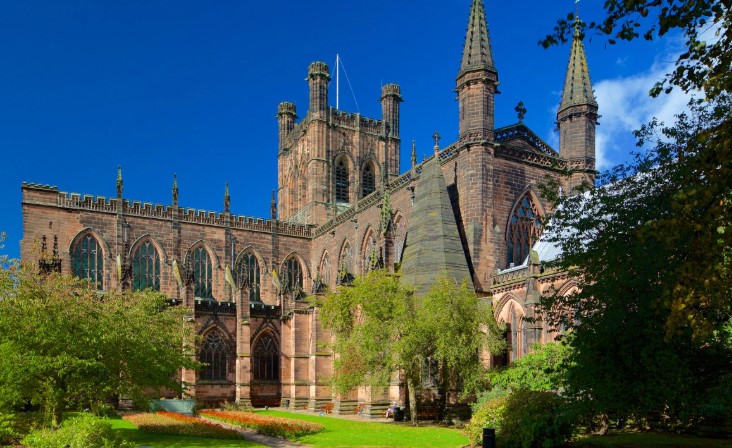
Chester Cathedral is a striking example of Gothic architecture in the north-west of England. Its impressive façade and towering spire make it one of the most recognisable churches in the UK. Originally founded in 1092 as a Benedictine abbey, the cathedral reflects centuries of architectural evolution, blending Norman and later Gothic styles. Visitors approaching the building are immediately drawn to the intricate stonework, detailed carvings, and grand entrance, which together convey the cathedral’s historic significance.
The interior of Chester Cathedral is both spacious and welcoming. Its vaulted ceilings and elegant columns create a sense of height and light, guiding the eye toward the high altar. The cathedral is renowned for its beautiful stained glass windows, which illustrate biblical narratives in vivid detail. Each chapel offers a unique experience, from quiet meditation spaces to areas showcasing centuries-old memorials. Walking through the nave and aisles, visitors encounter layers of history that reveal the building’s importance as a centre of worship and cultural heritage.
Chester Cathedral also embraces modernity while honouring tradition. Contemporary sculptures and installations complement the historic interior, creating a dialogue between past and present. Music is central to the cathedral’s life, with regular choir performances and organ recitals enriching both worship and tourism experiences. Educational programmes and guided tours provide insight into the cathedral’s architecture, art, and history. Seasonal exhibitions and events further enhance visitor engagement, demonstrating that Chester Cathedral is an active, living church in the UK.
Beyond architecture and art, Chester Cathedral plays a significant role in the local community. It offers space for reflection, education, and social events, welcoming people from all walks of life. The cathedral grounds provide peaceful areas for contemplation and leisure, while outreach programmes engage schools and local organisations.
Web: https://chestercathedral.com/
4- Exeter Cathedral
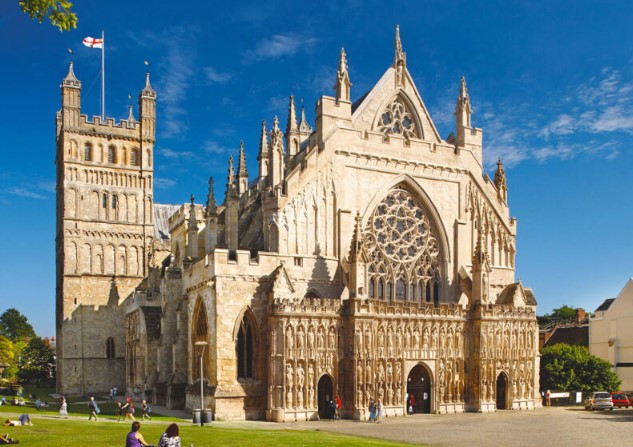
Exeter Cathedral is a masterful example of English Gothic architecture, located in the heart of Devon. Its remarkable façade and towering central tower make it a landmark for both locals and visitors. Constructed over several centuries, the cathedral showcases a harmonious blend of Norman and Gothic features. From its intricately carved exterior to the dramatic flying buttresses, every element demonstrates meticulous craftsmanship.
The interior of Exeter Cathedral is equally impressive. The vaulted ceilings, adorned with elaborate bosses, create a sense of grandeur and reverence. Light filters through stunning medieval stained glass, illuminating the nave and chapels with a soft, colourful glow. Each section of the cathedral tells a story, from the historic misericords to memorial plaques commemorating local figures. Visitors can wander through quiet corners and chapels, experiencing both the spiritual atmosphere and the richness of centuries of architectural detail.
Exeter Cathedral also highlights its cultural and musical significance. The cathedral hosts regular choir performances, organ recitals, and community events, enriching both worship and cultural appreciation. Contemporary exhibitions and art installations are sometimes featured, blending seamlessly with the historic fabric of the building. Guided tours offer an in-depth exploration of the cathedral’s history, architecture, and artistic treasures.
The cathedral plays an active role in the wider community. It provides space for contemplation, learning, and public events, ensuring accessibility for all visitors. Educational programmes and outreach activities allow schools and local groups to engage with the cathedral’s history and heritage. The surrounding precincts offer tranquil spaces for reflection and leisure, enhancing the sense of calm and spirituality.
Web: https://www.exeter-cathedral.org.uk/
5- Gloucester Cathedral
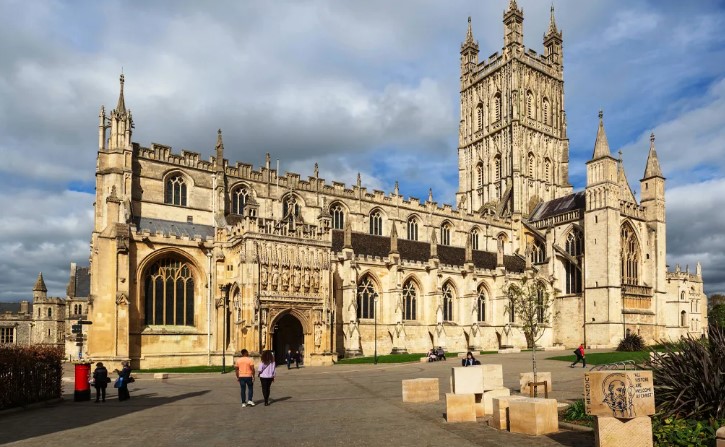
Gloucester Cathedral is a magnificent example of medieval architecture in the west of England. Its soaring tower and detailed stone façade make it one of the most recognisable churches in the UK. Founded in the 11th century as an abbey, it displays a combination of Norman and Gothic architectural styles. Visitors are immediately struck by the ornate exterior, with intricate carvings, pointed arches, and delicate tracery that reflect centuries of craftsmanship.
The interior of Gloucester Cathedral offers a remarkable sense of space and light. The stunning fan-vaulted ceilings in the cloisters are considered some of the finest in England, creating a breathtaking visual experience. The cathedral’s stained glass windows depict biblical stories in vibrant colours, illuminating the nave and chapels with a warm, shifting light. Each chapel within the cathedral has its own character and history, from quiet spaces for prayer to areas adorned with memorials and sculptures.
Gloucester Cathedral is also celebrated for its artistic and musical heritage. Its renowned choir performs regularly, filling the cathedral with rich, resonant sound that enhances the spiritual atmosphere. Seasonal concerts, exhibitions, and cultural events bring contemporary life into the historic space. Educational tours and interactive programmes engage visitors of all ages, providing insights into the cathedral’s architecture, history, and art. This blending of tradition and modernity ensures that Gloucester Cathedral remains both a place of worship and a hub for cultural exploration.
The cathedral’s role extends beyond its architectural and artistic significance. It serves the local community through outreach, educational initiatives, and public events, welcoming people from all backgrounds. The surrounding grounds offer tranquil spaces for contemplation and leisure, enhancing the overall visitor experience. By combining centuries of history with an active engagement in present-day life, Gloucester Cathedral exemplifies the enduring importance of churches in the UK.
Web: https://gloucestercathedral.org.uk/
6- Norwich Cathedral
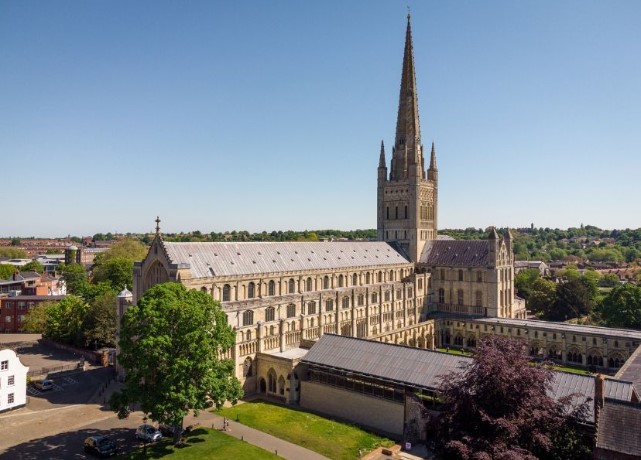
Norwich Cathedral is a striking symbol of Norman and Gothic architecture in eastern England. Its imposing spire and expansive façade make it a prominent feature in the city skyline, showcasing its status among notable churches in the UK. Founded in 1096, the cathedral reflects a long history of architectural evolution, blending Norman solidity with Gothic elegance. Visitors are drawn to its majestic entrance, detailed stonework, and carefully proportioned towers, which collectively convey the cathedral’s historical and spiritual significance.
Inside, Norwich Cathedral captivates with its sense of grandeur and intricate detail. The nave stretches gracefully, supported by soaring columns and arches, while light filters through vibrant stained glass windows that tell biblical stories. Visitors can explore a variety of chapels, each with unique carvings, memorials, and decorative elements. The cathedral’s wooden choir stalls, medieval misericords, and ornate stonework highlight the craftsmanship of centuries past, offering both historical and spiritual insight to those who wander through the sacred space.
Norwich Cathedral also embraces music and cultural engagement. Its world-class choir performs regularly, enhancing worship and creating a rich cultural experience for visitors. Seasonal concerts, exhibitions, and special events bring art and history to life within the cathedral walls. Guided tours provide educational opportunities, explaining the significance of the cathedral’s architecture, stained glass, and historical artifacts.
The cathedral maintains a strong connection with the community. It provides space for reflection, learning, and public events, ensuring that all visitors feel welcome. Educational programmes and outreach initiatives engage schools and local groups, offering opportunities to explore history, art, and spirituality. The surrounding gardens and cloisters provide peaceful areas for contemplation, complementing the cathedral’s serene interior. Through its architecture, music, and community involvement, Norwich Cathedral exemplifies the enduring role and importance of churches in the UK.
Web: https://cathedral.org.uk/
7- Durham Cathedral
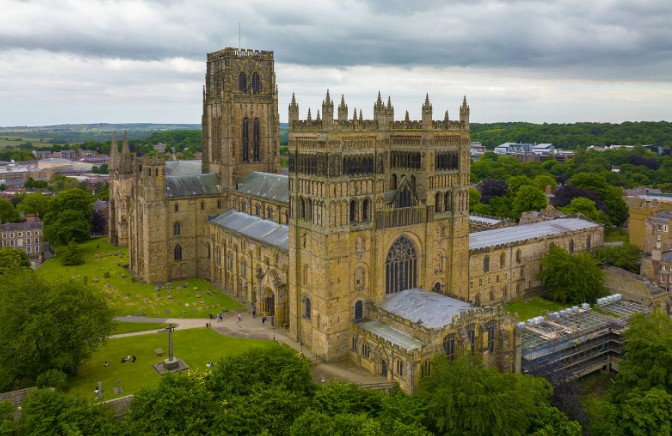
Durham Cathedral stands as one of the finest examples of Norman architecture in the UK. Its massive stone structure and iconic twin towers dominate the city skyline, making it a landmark for centuries. Founded in 1093, the cathedral was built to house the relics of St Cuthbert and has played a central role in religious and cultural life ever since. Its imposing exterior, with detailed carvings and robust walls, reflects both medieval craftsmanship and the enduring spiritual significance of churches in the UK.
The interior of Durham Cathedral impresses with its architectural innovation. The rib-vaulted ceilings and pointed arches create a sense of verticality and light that uplifts all who enter. The nave stretches elegantly, supported by a series of intricately designed columns, while the aisles and chapels provide intimate spaces for reflection. Stained glass windows add a rich tapestry of colour, illustrating biblical narratives and enhancing the cathedral’s serene atmosphere.
Durham Cathedral also emphasises its role as a cultural and musical hub. Its choir, organ recitals, and regular concerts bring the historic space to life, blending tradition with modern artistic expression. Educational programmes and guided tours provide insight into the cathedral’s architecture, history, and art, helping visitors understand the significance of this iconic building. Seasonal exhibitions and events further highlight the cathedral’s ongoing relevance, offering opportunities to engage with both faith and culture.
Beyond its architecture and music, Durham Cathedral serves the local and wider community. It offers spaces for reflection, education, and public gatherings, welcoming people from all backgrounds. The surrounding grounds provide peaceful areas for contemplation, while outreach initiatives connect the cathedral to schools and local organisations.
Web: https://www.durhamcathedral.co.uk/
8- St. Paul’s Cathedral
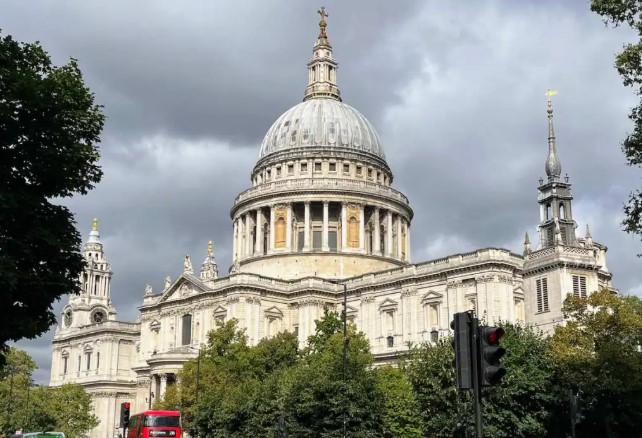
St. Paul’s Cathedral is one of the most iconic churches in the UK, renowned for its striking dome and historic significance. Its Baroque design, created by Sir Christopher Wren, dominates the London skyline and represents a symbol of resilience and faith. Completed in the early 18th century, the cathedral replaced an earlier structure destroyed in the Great Fire of London. Its impressive exterior, with classical columns and elaborate stonework, reflects the grandeur and ambition of this architectural masterpiece.
Inside, St. Paul’s Cathedral offers a breathtaking sense of space and artistry. The vast dome, with its intricately painted interior, draws the eye upward, inspiring awe and reflection. The nave and aisles are adorned with mosaics, sculptures, and detailed stonework, each telling stories of faith and history. Visitors can explore a variety of chapels and memorials, each highlighting a different aspect of the cathedral’s rich heritage. Light streaming through the carefully designed windows enhances the serene and contemplative atmosphere within.
St. Paul’s Cathedral is also celebrated for its music and public ceremonies. Its choir and organ performances are world-renowned, contributing to both worship and cultural appreciation. The cathedral hosts national events, commemorations, and exhibitions, reflecting its role at the heart of British life. Guided tours and educational programmes offer insight into the cathedral’s architecture, art, and history, ensuring that visitors leave with a deeper understanding of its significance.
Beyond worship and history, St. Paul’s Cathedral engages actively with the community. It provides spaces for learning, reflection, and public gatherings, welcoming people of all ages and backgrounds. Outreach programmes and educational initiatives connect schools, local organisations, and visitors to the cathedral’s heritage. The surrounding precincts offer areas for quiet contemplation, complementing the grandeur of the interior.
Web: https://www.stpauls.co.uk/
9- Bristol Cathedral
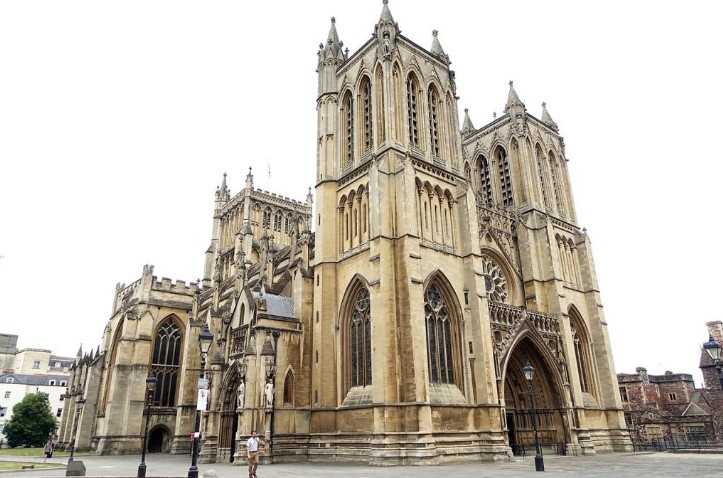
Bristol Cathedral is an outstanding example of Gothic and Romanesque architecture in the south-west of England. Its unique blend of architectural styles makes it one of the most remarkable churches in the UK. Founded in 1140 as an abbey, the cathedral has evolved over centuries, incorporating both medieval and modern elements. Its twin towers, ornate façade, and detailed stone carvings create a sense of grandeur that captivates visitors from the moment they arrive.
The interior of Bristol Cathedral offers a serene and inspiring atmosphere. The nave stretches elegantly, supported by slender columns and pointed arches, creating a sense of height and openness. The cathedral’s stained glass windows depict religious stories in vibrant colours, casting a warm, luminous glow across the interior. Visitors can explore a variety of chapels, each with distinctive features and historic memorials. This combination of architectural elegance and artistic detail allows the cathedral to offer a truly immersive experience for both worshippers and tourists.
Bristol Cathedral also places a strong emphasis on music and culture. Its renowned choir and regular organ recitals bring the historic space to life, blending tradition with contemporary performance. Seasonal concerts, exhibitions, and educational tours provide opportunities for visitors to engage with the cathedral’s history and artistic treasures. This active approach ensures that the cathedral remains not only a place of worship but also a vibrant cultural hub, reflecting the dynamic role of churches in the UK.
The cathedral is deeply connected to the local community. It offers spaces for reflection, learning, and social events, welcoming people of all ages and backgrounds. Outreach programmes and educational initiatives provide insight into the cathedral’s architecture, history, and art. The surrounding grounds offer peaceful areas for contemplation, making it an inviting place for both spiritual and leisurely visits.
Web: https://bristol-cathedral.co.uk/
10- Westminster Cathedral
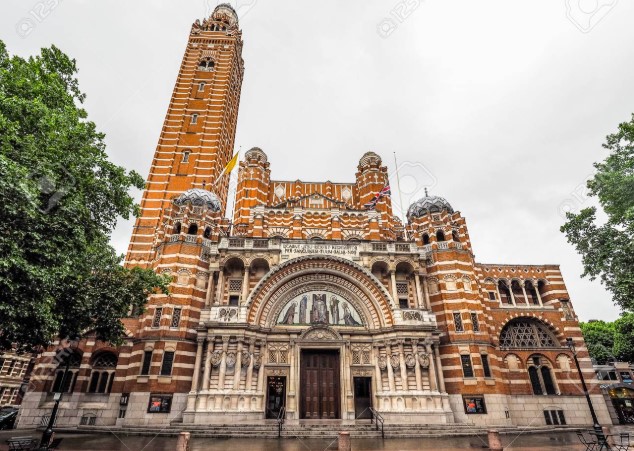
Westminster Cathedral is a striking example of Byzantine-style architecture in the heart of London. Its distinctive red-brick exterior and imposing campanile make it one of the most recognisable churches in the UK. Completed in the early 20th century, the cathedral stands out for its unique architectural style, which contrasts with the traditional Gothic and Baroque churches commonly seen across the country. The intricate mosaics and detailed craftsmanship reflect careful attention to both form and artistic expression.
The interior of Westminster Cathedral is equally impressive. The vast nave and marble-clad columns create a sense of grandeur and solemnity that draws visitors inward. Light filters through the elaborate stained glass, highlighting intricate mosaics and decorative patterns that celebrate religious and artistic heritage. The cathedral’s chapels, adorned with fine artwork and memorials, provide spaces for quiet reflection and spiritual contemplation. Every detail, from the ornate flooring to the soaring ceilings, contributes to a cohesive and awe-inspiring atmosphere.
Westminster Cathedral also excels in music and cultural engagement. Its choir and organ performances are renowned for their excellence, enhancing both worship and cultural appreciation. Special concerts, exhibitions, and events showcase the cathedral’s rich artistic and historical heritage, inviting visitors to experience its significance beyond traditional religious services. Guided tours and educational programmes help visitors understand the architectural details, mosaics, and history, ensuring that the cathedral’s story is accessible to all.
The cathedral maintains a strong connection with the surrounding community. It provides spaces for learning, reflection, and public events, welcoming individuals from diverse backgrounds. Outreach programmes and educational initiatives engage schools, tourists, and local groups, promoting awareness of the cathedral’s heritage. The cathedral precincts offer quiet areas for contemplation, enhancing the overall experience. Through its architecture, music, and community involvement, Westminster Cathedral exemplifies the prominence and ongoing relevance of churches in the UK.
Web: https://westminstercathedral.org.uk/
Faq’s
What makes churches in the UK architecturally unique?
Churches in the UK often showcase a mix of historic and modern architectural styles. Many feature intricate stonework, stained glass windows, and impressive towers or spires. The design reflects centuries of craftsmanship and evolving religious traditions. Visitors can appreciate both the exterior details and the serene interior spaces. Each building tells a story of local culture and spiritual heritage.
How can I explore historic churches across the UK?
Exploring historic churches can be done on foot, by car, or as part of guided tours. Many have open hours for visitors, and some offer educational materials about their history. Appreciating these landmarks allows a deeper understanding of religious life and architectural development. Walking through their corridors often provides insight into centuries of tradition. It’s a way to experience the spiritual and cultural fabric of the country.
Are there any regular events held in churches in the UK?
Many churches in the UK host regular services, concerts, and community gatherings. These events often welcome both locals and visitors. Seasonal celebrations, choir performances, and special ceremonies can be observed throughout the year. Attending these activities offers a unique perspective on the local community’s spiritual and cultural life. They provide an opportunity to experience the church beyond its architectural beauty.
What should I know before visiting a church in the UK?
When visiting a church in the UK, it’s important to respect the sacred environment. Modest attire and quiet behaviour are generally expected. Some churches may request donations or have restricted access to certain areas. Checking visiting hours beforehand ensures a smooth experience. Understanding basic etiquette helps visitors enjoy both the spiritual and historical aspects of the site.
Why are churches significant in UK culture and history?
Churches in the UK have long served as centres of worship, education, and community life. They reflect historical events, artistic achievements, and social changes over the centuries. These landmarks often contain memorials, artefacts, and inscriptions that document local heritage. Visiting them offers insight into the evolution of faith and society. Their presence continues to influence cultural and architectural traditions today.