
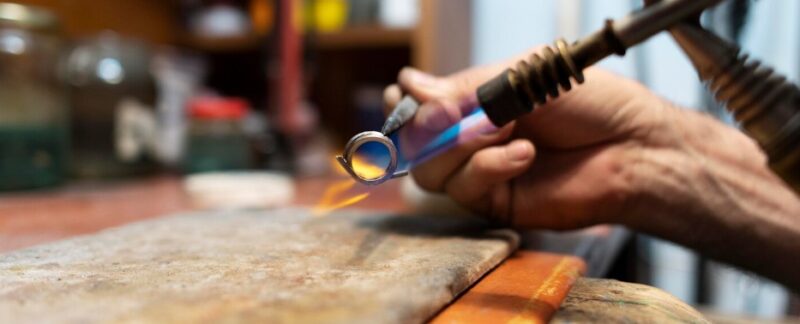
There’s a lively scene to explore when looking for glassmakers in the UK. From studio artisans to established workshops, the craft shows a mix of old techniques and fresh ideas. Many makers work in small teams, shaping molten glass by hand. Others combine tradition with modern design. The result is pieces that sit well in a home or a public space. For anyone curious about craft, these glassmakers in the UK offer variety, skill and a good dose of character.
There is something warmly British about the glassmakers in the UK. They favour honest materials and clear lines, but also love colour and surprise. Workshops are often open to visitors. Visitors can see furnaces glow and tools clink. The atmosphere feels hands-on yet respectful of history. Those hunting for a special object will find bold vases, fine tumblers and sculptural pieces. The scene of glassmakers in the UK rewards a slow look and a readiness to be pleased.
Best glassmakers in the UK
When considering the best glassmakers in the UK, it helps to think in terms of craft hubs and individual makers. Many studios specialise in blown glass, while others focus on kiln-formed or cold-worked techniques. Some artisans produce functional ware for daily use. Others lean towards striking decorative pieces that catch the eye. Each maker brings a distinct voice to the material. Readers can expect pieces that blend skill with personality, and workshops that invite curiosity and a sense of place.
Across Britain, a network of glass studios and artisans keeps the tradition alive, from coastal towns to city districts. These UK glass studios show off skilled blowing, precise cutting and thoughtful design. Some operate small galleries. Others supply interior designers and high-end shops. For those interested in home decor, decorative mirror stores often source work from these very studios, pairing reflective surfaces with handcrafted frames to create character in a room.
1- London Glassblowing
London Glassblowing is one of the most prominent glass studios and galleries in the UK, located on Bermondsey Street in London. Founded by Peter Layton in 1976, this hot-glass workshop has become synonymous with the British studio-glass movement. Visitors can step into a space where art and craft converge: you can actually see the glassblowers working, with furnaces glowing and molten glass being shaped under expert hands. The ability to watch live glassblowing makes this atelier unique among glassmakers in the UK.
Inside the gallery, you will find a curated and ever-changing selection of blown-glass art. Works by Layton himself sit alongside pieces by resident artists like Tim Rawlinson and others who contribute to the studio’s distinctive aesthetic. Their creations include sculptural vases, bowls, baubles and statement objects, blending colour, form and texture in inventive ways. The gallery acts as a showcase for contemporary glass artistry and offers more than just functional objects.
Importantly, London Glassblowing isn’t just for looking — it also offers educational and participatory experiences. They run workshops for those who wish to try their hand at shaping glass. These classes guide beginners through basic techniques, giving them a chance to blow small pieces under the supervision of skilled glass-artists. By offering these practical sessions, the studio encourages new talent and helps demystify the art of working with molten glass.
As a centre for modern glassmaking in Britain, London Glassblowing has maintained a long-standing reputation. Over decades, it has nurtured emerging artists, staged thematic exhibitions, and contributed to the broader glass-art community. Its enduring presence underscores its role as a cornerstone among glass-makers in the UK.
Web: https://londonglassblowing.co.uk/
2- Lumsdale Glass
Lumsdale Glass is a more intimate but equally captivating example of glass craftsmanship in the UK, nestled in the scenic Lumsdale Valley near Matlock, Derbyshire. This traditional studio is run by Jonathan Abbott, who works in a hot-glass furnace setting. He uses high-quality materials — including recycled glass — and applies time-honoured techniques to create his work. Jonathan’s approach emphasises sustainability and the beauty of repurposed material.
Every piece emerging from Lumsdale Glass is entirely handcrafted. Jonathan shapes molten glass into functional vessels — bowls, vases, tumblers, cups — with fluid lines and gentle curves. His designs draw inspiration from natural aesthetics and simple forms. Each object reflects the delicate interplay of colour, shape and craftsmanship unique to hearth-fired glass.
What makes Lumsdale Glass special is its marriage of tradition with individual expression. The studio does not mass-produce; instead, every item is made one at a time. Jonathan finishes each piece by hand, and because of this, no two items are ever quite the same. Their uniqueness gives them personality, transforming them from mere utility into works of art.
Lumsdale Glass also carries a sense of place: its location in the historic Lumsdale Valley adds depth to the story of its glass-making. The setting itself — a former mill valley — seems to feed into the quiet, thoughtful character of the pieces. This studio exemplifies an artisanal tradition among British glassmakers that values locality, heritage and craftsmanship.
Web: https://www.lumsdaleglass.co.uk/
3- Bristol Blue Glass

Bristol Blue Glass is one of the most celebrated glassmakers in the UK, and its studio sits on Bath Road in Bristol. Founded in 1988 by James Adlington with the help of master craftsman Peter St Clair, the company revived a long-lost tradition in the city. Their mission was to re-establish artisanal glassblowing techniques in Bristol, restoring skills once nearly vanished.
The team at Bristol Blue Glass specialises in free-blown glassware, meaning they do not use moulds or mass-production machines. Each piece is unique, shaped by hand at the hot floor, reflecting the individuality of traditional glass artisans. In addition to their hallmark cobalt-blue creations, the studio also crafts clear crystal and coloured glass, demonstrating their versatility.
Visitors to their workshop can watch the glass-blowers at work, free of charge (for smaller groups), with demonstrations usually running from 10 am to 4 pm. For larger groups, they offer guided tours that include a talk on the history of glass, from its ancient origins to how it is used today. One popular activity is the “Blow Your Very Own Bauble” experience, where you can create a personalised ornament to take home.
The craftsmanship at Bristol Blue Glass is steeped in tradition, yet it resonates with modern design lovers. Their collection includes classic tableware, decorative vases, and sculptural works. Even though their High Street shop in Bristol closed in early 2025, the Bath Road studio remains active, with the furnaces still blazing and the artisans still forming exquisite pieces.
Web: https://bristol-glass.co.uk/
4- Bath Aqua Glass Glassblowing Studio

Bath Aqua Glass is another eminent name among glassmakers in the UK, based in the charming artisan quarter of Walcot Street in Bath. According to their profile, their glass-blowing studio forms the creative heart of the operation, offering immersive experiences for visitors. The location also houses a shop and a café, giving it a relaxed, welcoming atmosphere.
Their workshop runs a variety of hands-on sessions, like the “Breath in a Bauble” experience suitable for families, or more elaborate full-day hires for groups. These workshops are ideal for tourists, couples, corporate groups, or anyone curious about glassblowing. There is even a “Lover’s Heart Bauble” session, designed for romantic keepsakes.
Bath Aqua Glass is particularly well known for its memorial piece service: their “Ashes into Bath Aqua Glass” programme allows people to incorporate the ashes of a loved one into a bespoke glass creation. They also have a jewellery line under “Bath Aqua Jewellery,” where molten glass can be shaped into pendants, earrings, and small treasures.
In addition to these creative offerings, they run glassblowing demonstrations daily (Monday to Saturday), with family-friendly presentations that illustrate the age-old craft. The studio embraces inclusivity, making their courses accessible, and they welcome both newcomers and experienced artisans. Thus, as a leading studio-glass producer in Britain, Bath Aqua Glass combines artistic tradition with interactive engagement.
Web: https://www.bathaquaglass.com/
5- E&M Glass

E&M Glass is one of the most respected glassmakers in the UK, based in a studio on the Welsh–English border. Founded by Ed and Margaret Burke in the mid-1980s, their workshop combines centuries-old techniques with modern design sensibilities. The Burkes started working together in 1988, building their own furnace and laying the foundation for what would become a notable British glass-making studio. They craft elegant, functional glass objects for the table, but also produce limited edition art pieces.
The studio is run as a family endeavour: Ed is a master glassblower, while Margaret specialises in cold working, and their children also contribute. Ed studied glass design and has a flair for bold shapes and vivid colours, which he brings into their hand-blown creations. Margaret excels at etching through layers of coloured glass, creating tactile, contrasting patterns inspired by primitive art. Her technique of layering and etching gives E&M Glass pieces a textured, almost sculptural quality. Their collaborative work strikes a balance between decorative art glass and everyday glassware.
E&M Glass is not just about producing finished pieces — they also offer bespoke commissions and live glass-making demonstrations. For bespoke commissions, they work with designers, brands, and collectors to bring custom ideas to life, whether that’s tableware, lighting installations, or sculptural centrepieces. Their bespoke glass service allows clients to co-create deeply personal works that reflect their own vision.
Education and experience are part of their ethos. They host open-studio events and courses, so visitors can witness molten glass being shaped. Their location in North Wales serves as a creative hub where the family’s generations of glass-making expertise converge. By opening their studio to the public, they help preserve and share the art of traditional glass-making in the UK.
Web: https://www.emglass.co.uk/
6- Glory Art Glass
Glory Art Glass is a charming, family-run glassblowing studio and gallery on the Isle of Wight, and one of the truly compelling glass studios in Britain. Nestled in Sandown, their address on Melville Street houses not only a workshop but also a welcoming gallery where visitors can see pieces inspired by the natural beauty of the island. Glory Art Glass offers free glass-blowing demonstrations (in season), giving audiences a rare insight into a traditional craft.
Their creations tend to be sculptural, decorative, and whimsical, drawing on motifs from nature. They produce everything from delicate animals to abstract shapes, all fashioned from molten glass. Each piece has its own character, and none are quite the same. The Evans family produces garden sculptures, lamps, awards, and ornaments, as well as bespoke commissions tailored to clients’ desires. Their creative output is both varied and unique, reflecting the playful yet meticulous spirit of a UK-based artisan glass studio.
Beyond showcasing finished pieces, Glory Art Glass invites people to try glass-making themselves. They run hands-on lessons for visitors aged over 16, where participants can gather 1,150 °C molten glass, choose their colours, and sculpt their own paperweights using traditional tools. The session lasts around 45 minutes (extendable to an hour if needed), and at the end, participants take home their creation. By offering these immersive workshops, they make the delicate art of glass-craft accessible to enthusiasts and novices alike.
Glory Art Glass is more than a workshop — it is a creative hub and tourist destination. Their gallery displays are full of vibrancy and character, and people frequently comment on the warm welcome they receive from Ed and Hannah. School trips and larger groups are welcome, making it a great place for educational visits.
Web: http://www.gloryartglass.com/
7- Bransfield Glassmakers

Bransfield Glassmakers is a well-established glass studio in Buckinghamshire, England. It’s one of the most inviting places among glassmakers in the UK for both hobbyists and budding glass artists. The studio sits in Westcott, and its team has over 60 years of combined experience. It provides a rare opportunity to learn the craft of glassblowing from seasoned practitioners. Their mission is not just to produce art glass, but to pass on their skills through tuition, so the tradition of British glass-making continues.
The founder, Derek Bransfield, originally worked in the film industry before turning to glass. He draws on classic English glassmaking methods, particularly those used by Whitefriars (James Powell & Sons). Over time, he blended these traditional approaches with Venetian blowing techniques, allowing for both delicate and sculptural forms. This hybrid of English and Venetian traditions gives Bransfield’s glass work its distinct character. The studio’s glass artists can thus create a wide variety of pieces, from light, airy vessels to substantial sculptural works.
Beyond making glass, Bransfield Glassmakers is also committed to education. They run half-day and full-day glassmaking workshops, where learners gather molten glass from the furnace, learn to shape it, and even apply colours. These classes suit all levels: complete beginners and more experienced makers alike. By opening up their studio for hands-on courses, they help demystify molten glass and introduce newcomers to heritage glass-craft. Many visitors leave with their own hand-made paperweight, bauble or vase.
Bransfield Glassmakers also serves as a gathering point for the wider glassmaking community in Britain. Their workshop encourages collaboration, experimentation, and peer-learning. Visiting students or aficionados can observe or take part in glassblowing days. Through its teaching programme and studio space, the glass studio nurtures the next generation of British glass-making talent.
Web: https://www.bransfieldglass.com/
8- Elin Isaksson Glass
Elin Isaksson Glass is a refined, contemporary studio-glass atelier in Dunblane, Scotland, and one of the standout glassmakers in the UK. Elin Isaksson, the Swedish-born artist behind it, graduated with an MA in Design & Applied Arts from Edinburgh College of Art. Her glass-making practice marries traditional methods with minimalist, modern design. She produces elegant, tactile objects that reflect both her Scandinavian roots and her adopted Scottish environment.
Her glass style is informed by her training at the Orrefors Glass School in Sweden, where she first learned blow-glass techniques. Elin’s work often reveals a sense of motion, as if she captures fleeting energy within the molten material. Her colour palette draws deeply from nature — from the ice and snow of her homeland to the landscapes of Scotland and even her time spent in India. The interplay of light, texture, and form in her work gives each piece a quiet, organic presence.
In addition to her production, Elin offers a bespoke service. She collaborates with private clients, corporate bodies, and interior designers to realise individualised glass projects. Her commissions have included garden sculptures, awards, and sculptural installations. Her ability to design and manufacture made-to-order glass art makes her a sought-after figure in the British glass-making and design community. She blends her craft with an understanding of space, light, and architecture.
Elin also shares her expertise through teaching. From her Dunblane studio, she runs glassblowing classes for the public. She values education and sees it as vital to preserving the heritage of studio glass in Britain. By inviting students into her workshop, she helps sustain and evolve the community of artisan glass creators across the UK.
Web: https://elinisakssonglass.com/
9- Stuart Wiltshire Glass
Stuart Wiltshire Glass is a distinguished glass-art atelier and one of the leading independent glassmakers in the UK, based in Weymouth on the south coast of England. Founded by Stuart Wiltshire, who has over 27 years of experience, the studio specialises in hand-blown commissioned glass lighting, sculptural features, and bespoke art pieces. His work combines traditional glass-making methods with a deeply personal, contemporary vision. The studio also produces vases, bowls, vessels, and sculptural glass animals, all made in a hot shop that visitors can observe first-hand.
Stuart’s glass journey began at Dartington Crystal, where he worked early in his career alongside master glassblowers. Later, he moved to Sweden to work at the historic Orrefors glass works, gaining experience with master Venetian-style craftsmen. These formative years shaped his distinctive aesthetic, blending Scandinavian clarity with English craftsmanship. After returning to England, he eventually established his own workshop in Weymouth, where he developed his practice in both fine art glass and architectural glass design.
His studio is very much a family endeavour: his son, Joshua Wiltshire, now works with him daily, learning the trade and helping to run the business. Together, they deliver bespoke commissions ranging from memorial pieces incorporating cremation ashes to dramatic chandeliers for private residences and commercial spaces. Their collaborative approach means each piece is deeply personal and often emotionally resonant.
Stuart Wiltshire Glass also runs a gallery and shop on Weymouth High Street. Visitors can browse an array of beautifully crafted pieces or commission their own. The studio’s commitment to both art glass and functional design situates them firmly within the tradition of skilled glass-makers operating in Britain. By preserving and evolving the heritage of British hot-glass artistry, Stuart Wiltshire and his studio contribute significantly to the broader community of glass artists in the UK.
Web: https://www.stuartwiltshireglass.co.uk/
10- National Glass Centre
The National Glass Centre, located in Sunderland, is a major institution in the landscape of glassmakers in the UK — not a single workshop, but a national centre for glass art, education, and heritage. It serves as a hub for the British glass-making community, combining production, exhibition, teaching, and research. Operated by the University of Sunderland and Sunderland Culture, the Centre offers daily hot-glass demonstrations, gallery spaces, and a hands-on glassmaking experience for visitors.
Sunderland has deep historic ties to glassmaking, and the Centre celebrates this legacy. Its exhibitions trace glass’s development in the region, from early stained-glass origins to modern studio glass. The building itself is striking: a contemporary structure of glass and steel, with a vast glazed roof that visitors can walk upon. Inside, the Centre houses world-class facilities, including hot shops, cold-working kilns, flame-working studios, and electric furnaces.
As well as being a visitor attraction, the National Glass Centre is a serious academic and artistic space. It hosts the University of Sunderland’s Glass & Ceramics Department and the Institute for International Research in Glass (IIRG), making it a national research and education centre for glass art. Its collection is international in scope, featuring over 500 works by artists from more than 20 countries, including both established and emerging practitioners.
The Centre also fosters public engagement through workshops, artist residencies, and learning programmes. They run courses for adults, community programmes, and family activities to bring the art of molten glass to a broad audience. According to their annual review, these initiatives support not only creative exploration but also the continuation of glass-making traditions in the UK.
Web: https://www.sunderlandculture.org.uk/national-glass-centre/
Faq’s
What kinds of glassmakers can I find in the UK?
In the UK, you’ll find a wide variety of glassmakers — from traditional crystal and cut-glass artisans like Royal Brierley to contemporary glass sculptors such as David Reekie. There are also industrial glass-makers producing bottles and packaging, such as Allied Glass.
How do I commission a bespoke piece from UK glassmakers?
You can commission a bespoke piece by contacting a glass studio or independent artist directly. Many glassmakers in the UK welcome custom work, and they’ll usually ask you about the size, colour, and design you want. They will then provide a quote and a lead time, which depends on the complexity of the piece and how busy their workshop is.
Can I take glass-making classes in the UK?
Yes — you can take glass-making classes at many UK studios. For example, the Glass School offers a range of courses, including online masterclasses. Some traditional glassworks, such as Bristol Blue Glass, also train their glassmakers in-house, meaning beginners can learn from experienced artisans.
Are glassmakers in the UK regulated or certified?
While the UK does not specifically police “glassmakers” via a central licensing body, reputable glass studios and manufacturers follow strict health and safety protocols, especially when working with furnaces and molten glass. Many professional glassmakers are part of organisations like the Contemporary Glass Society, which fosters best practices and quality standards.
How sustainable are glassmakers in the UK?
Many UK glassmakers are increasingly embracing sustainability. For instance, some bottle manufacturers are incorporating recycled “cullet” (broken glass) into production. Others are innovating with cleaner energy sources or optimising their furnaces to reduce carbon emissions. These efforts help reduce environmental impact while maintaining craftsmanship.