

The United Kingdom is a nation rich in history, culture, and traditions that often surprise even the most seasoned travellers. From quirky customs to peculiar laws, there are countless interesting facts about the UK that highlight the country’s unique identity. These facts span everything from historical oddities to surprising statistics, making the UK a fascinating destination to learn about and explore.
Whether you’re planning a visit or simply curious about British life, exploring interesting facts about the UK can open your eyes to the distinctive elements that shape the country. Some traditions date back centuries, while others are more recent but equally intriguing. What makes the UK especially captivating is how it manages to blend the old with the new, keeping age-old practices alive in a modern world.
Interesting facts about the UK
One of the most striking features of the UK is how it seamlessly incorporates unusual traditions into daily life. There are customs that seem bizarre to outsiders but are perfectly normal to locals. These include rituals, celebrations, and habits that have stood the test of time, reflecting the nation’s enduring connection to its past. The UK is also known for its surprising approach to rules and laws, with some still in effect today despite being hundreds of years old.
In addition to its customs and legal oddities, the UK is home to geographical and architectural wonders that often go unnoticed. From extreme weather contrasts within short distances to peculiar building regulations, there’s no shortage of curiosities to discover. These interesting facts about the UK provide a deeper understanding of the nation’s character—one that values tradition, embraces eccentricity, and takes pride in its heritage.
1- The United Kingdom is made up of four countries: England, Scotland, Wales and Northern Ireland
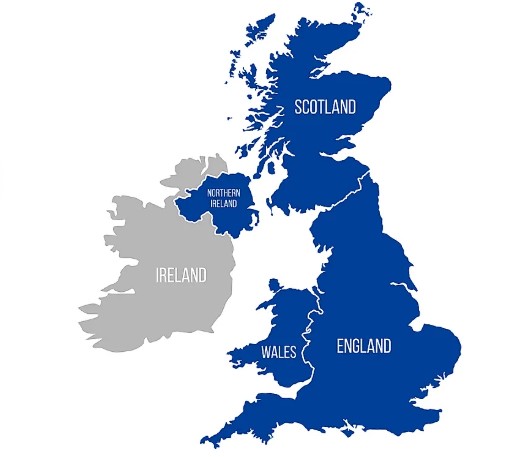
The United Kingdom consists of four unique countries: England, Scotland, Wales, and Northern Ireland. This political union has deep historical roots, dating back to the early 17th century when England and Scotland joined forces. Each country retains its own identity, culture, and traditions. England is known for its vibrant cities, while Scotland is famous for its stunning landscapes and rich folklore. Wales boasts a unique language and beautiful national parks. Northern Ireland, with its dramatic coastlines, has a diverse cultural heritage.
The differences among these countries contribute to a rich tapestry of history and politics. The distinctiveness of each nation creates a fascinating dynamic within the UK. For instance, Scotland has its own legal system and educational framework. Wales, with its own parliament, promotes the Welsh language and culture. England, the largest of the four, is often seen as the cultural heart of the UK, while Northern Ireland has a complex history influenced by political strife and peace processes.
Understanding this union is essential for grasping the broader context of British identity. The interplay between these nations shapes not only the political landscape but also the social fabric of the UK. Festivals, holidays, and sports events often highlight the uniqueness of each country. From the Edinburgh Festival to the Welsh Eisteddfod, these celebrations showcase the diverse heritage of the United Kingdom.
In essence, the UK is more than just a geographical entity; it is a mosaic of cultures and histories. This diversity enriches the overall experience of visiting or studying the UK. Whether you are exploring the highlands of Scotland or the rolling hills of Wales, each country offers its own unique story. The blend of traditions, languages, and customs makes the United Kingdom a truly fascinating place to learn about.
2- Stonehenge is over 5,000 years old, but its purpose remains a mystery
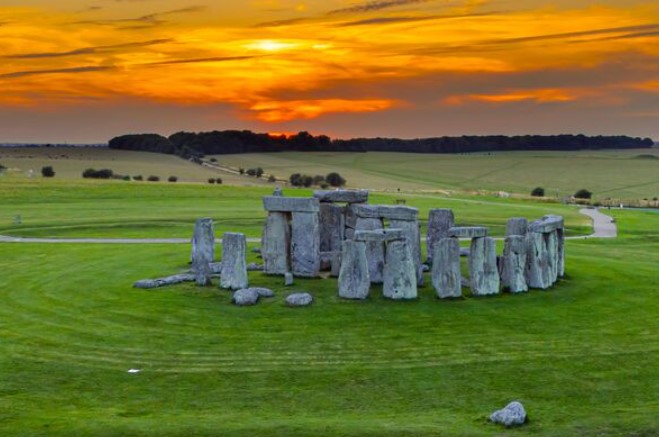
Stonehenge, one of the world’s most famous prehistoric monuments, is over 5,000 years old. This ancient structure, located in Wiltshire, England, has sparked intrigue and debate among historians and archaeologists alike. The purpose of Stonehenge remains largely a mystery, with numerous theories proposed over the years. Some suggest it was an astronomical observatory, while others believe it served as a religious site or a burial ground.
The construction of such a monumental feat is a testament to the ingenuity of our ancestors. Massive stones, some weighing over 25 tonnes, came from quarries located miles away. Remarkably, people transported them across great distances. This effort shows the incredible planning and determination involved in the process. This incredible engineering achievement raises questions about the tools and methods used by the builders. How did they move and arrange these enormous stones in such a precise manner?
Archaeological discoveries continue to unveil new insights into Stonehenge. Excavations in the area have revealed burial mounds and artefacts, hinting at the site’s significance in prehistoric society. As research progresses, our understanding of this iconic structure evolves. Despite the lack of definitive answers, the allure of Stonehenge captivates millions of visitors each year.
Ultimately, Stonehenge stands as a symbol of mystery and human achievement. Its enigmatic presence invites exploration and contemplation. The ongoing fascination with this ancient site ensures it remains a vital part of the UK’s cultural heritage. Each visit offers a glimpse into a distant past, encouraging us to ponder the lives of those who built it.
3- Big Ben is not the tower, but the bell inside the Elizabeth Tower
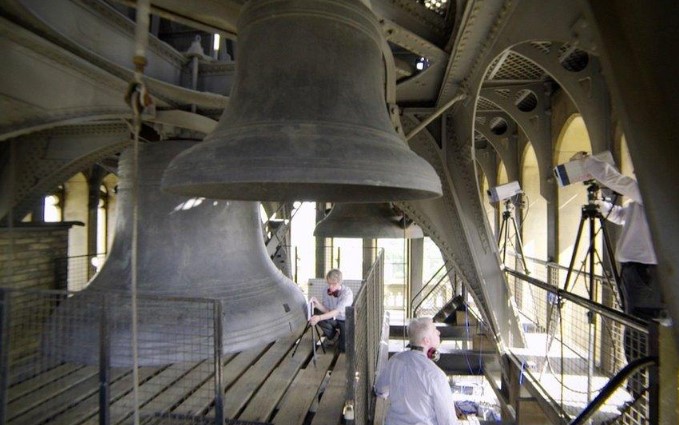
Big Ben is often mistakenly thought to refer to the clock tower itself; however, it is actually the name of the bell housed within the Elizabeth Tower. This iconic landmark sits at the north end of the Palace of Westminster in London. Completed in 1859, the tower has become synonymous with British culture and is an enduring symbol of London.
The name ‘Big Ben’ is believed to be derived from Sir Benjamin Hall, who oversaw the clock’s installation. The tower stands at an impressive height of 316 feet, making it a remarkable sight against the London skyline. The clock mechanism is renowned for its accuracy and has been carefully maintained over the years, ensuring it remains functional even in the face of modern challenges.
The chimes of Big Ben resonate throughout London, marking the passage of time for both locals and visitors alike. Each hour, the deep, resonant toll of the bell can be heard echoing across the city, creating a familiar and comforting sound. The tower is often featured in films and media, reinforcing its status as a cultural icon.
In recent years, Big Ben has undergone extensive restoration, ensuring its preservation for future generations. This project highlights the importance of maintaining historical landmarks. As work continues, the tower remains a testament to British craftsmanship and engineering. Big Ben, with its rich history and cultural significance, is a must-see for anyone visiting the UK.
4- The British consume more than 165 million cups of tea a day

The British are known for their love of tea, consuming more than 165 million cups each day. This beloved beverage has become an integral part of British culture, with its origins tracing back to the early 17th century. Tea was first introduced to Britain by the East India Company and quickly gained popularity among the aristocracy before spreading to the masses.
The ritual of tea drinking has evolved into a cherished tradition in the UK. Afternoon tea, a practice popularised by Anna, the Duchess of Bedford, includes a selection of sandwiches, scones, and pastries, all accompanied by a steaming cup of tea. This social event is not just about the drink; it signifies a moment of relaxation and connection.
Tea is often seen as a symbol of comfort and hospitality in British society. It is customary to offer tea to guests, creating a warm and welcoming atmosphere. The variety of tea available is astounding, from traditional English Breakfast to delicate Earl Grey. Each cup is steeped in history and culture.
The tea industry also plays a significant role in the UK’s economy. From large tea bags to artisanal blends, the market continues to thrive, with many brands celebrating their heritage. Tea, cafes and pastry shops are found in every corner, reflecting the nation’s deep-rooted passion for this delightful beverage. The sheer scale of tea consumption in the UK is a testament to its status as a national treasure.
5- Queen Elizabeth II was the longest-reigning monarch in British history

Queen Elizabeth II holds the record for being the longest-reigning monarch in British history. Ascending to the throne in 1952, she celebrated her Sapphire Jubilee in 2017, marking 65 years of service. Her reign has witnessed significant changes, both within the UK and globally, solidifying her status as a symbol of continuity and stability.
Throughout her reign, Queen Elizabeth II has seen the transformation of the British monarchy. She adapted to the evolving political landscape, embracing modernity while upholding traditions. Her ability to connect with the public has endeared her to generations, making her a beloved figure in British society.
The Queen’s commitment to public service is unparalleled. Over the decades, she has undertaken thousands of engagements, supporting various charities and causes. Her dedication to her role has inspired countless individuals within and beyond the UK. Her diplomatic efforts have also strengthened international relations, showcasing the monarchy’s relevance in contemporary politics.
As a figurehead, Queen Elizabeth II represents the resilience of the British people. Her reign has been marked by both triumphs and challenges, yet she has remained a steadfast presence. The legacy she leaves behind will undoubtedly shape the future of the monarchy and the UK for years to come.
6- The London Underground is the oldest in the world, having opened in 1863

The phrase “interesting facts about the UK” has become a common search term. It’s a gateway to learning about Britain. One of the most enduring and fascinating pieces of information is the story of the London Underground. Launched in 1863, the “Tube” was the world’s inaugural underground railway. Before this, railways were exclusively surface-level. The visionaries of the time decided to tackle the problem of urban congestion. The initial line, the Metropolitan Railway, connected Paddington Station to Farringdon Street. This was a revolutionary undertaking.
The construction of the Underground was a feat of engineering. The “cut-and-cover” method was employed. This involved digging a trench, constructing the tunnel, and then covering it back up. This process disrupted the city. However, it was essential. The Underground was immediately popular and quickly became a symbol of London’s progress. It offered a solution to the ever-growing population’s transport needs, and it also paved the way for similar systems worldwide.
Over time, the Underground evolved. It expanded, incorporating electric trains. This improved air quality and speed. The network has grown to encompass a vast web of lines. These lines connect every corner of the city. The design of the stations and the trains themselves have also undergone significant changes. The London Underground continues to adapt and modernise, but its historical significance remains.
The London Underground has inspired countless stories. It provides a backdrop for films, books and art. The distinctive architecture and the iconic tube map are instantly recognisable. The Underground has also weathered many challenges. These include bombings during the Second World War. The system stands as a symbol of resilience. It is also a symbol of innovation.
7- The UK has more than 1,500 castles, many of which are still inhabited
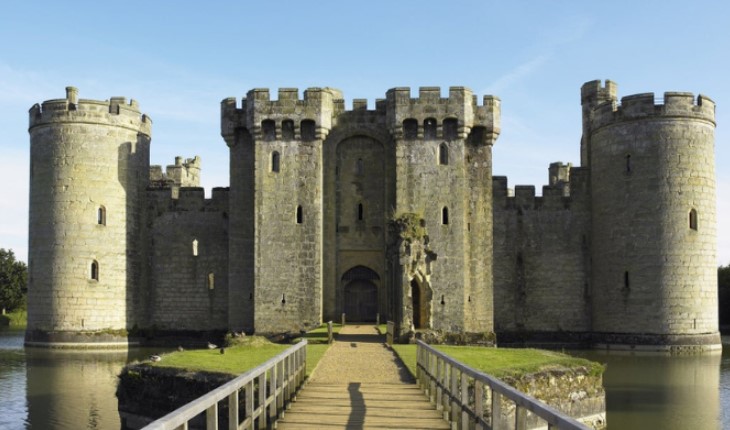
When someone searches for “interesting facts about the UK”, they often seek out tales of the past. The United Kingdom boasts a remarkable collection of castles. These structures tell stories of power, conflict, and the passage of time. The sheer number of castles is astonishing. There are over 1,500 standing today. Many of these castles remain in use. They are living monuments to British history.
The history of these castles is diverse. Some date back to the Norman Conquest. Others were built during the medieval period. Each castle has its own unique story. They range from imposing fortresses to elegant country houses. The construction of castles was a complex and costly undertaking. They required skilled craftsmen and vast resources. The purpose of these castles was to provide defence. They also served as symbols of wealth and status.
Many of these castles have seen significant battles and sieges. Each has witnessed periods of prosperity and decline. Some castles have been meticulously preserved. Others have fallen into ruin. The state of these castles offers a glimpse into the various eras. They are a testament to the ambition and resilience of the people who built them. The UK’s castles are a treasure trove of architectural styles and historical narratives.
These castles are popular tourist destinations. Visitors can explore the walls, towers, and dungeons. Each castle provides a glimpse into the lives of those who once lived there. Many castles host events and exhibitions. These add to the visitor experience. The preservation of these castles is a continuous effort. Each castle offers a unique perspective on the past. The UK’s castle legacy is one of the most interesting facts about the UK.
8- The Tower of London is home to the royal ravens, whose legend has it that if they disappear, the kingdom will fall
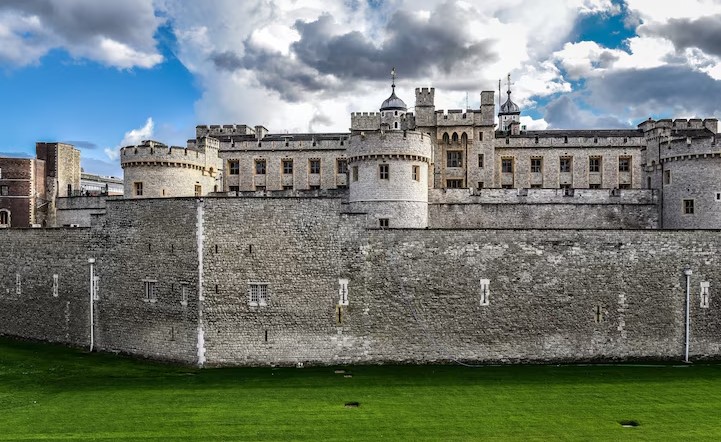
The quest for “interesting facts about the UK” often leads to tales of mystery and legend. The Tower of London holds a particularly captivating secret. The iconic fortress is home to the Royal Ravens. These birds have a special role. They are steeped in tradition. Their presence is carefully managed. The legend is that if the ravens ever leave the Tower, the kingdom will fall.
The origins of this legend are shrouded in mystery. Some say the ravens were introduced to the Tower during the reign of Charles II. He was persuaded to keep the birds by the Royal Astronomer, John Flamsteed. Flamsteed felt that the ravens were a valuable asset. He believed they were essential for the proper functioning of his observatory. The ravens, in this case, were a good omen. The Tower’s custodians have embraced the legend. As a result, the ravens have become an integral part of its identity. Today, their presence symbolises tradition and mystery, and visitors often associate the Tower with these iconic birds.
The ravens are not just any birds. They are carefully selected and cared for. Their wings are clipped. This prevents them from flying away. The ravens have names. They are given specific roles. They are fed a special diet. The Tower’s ravens are a carefully managed population. This ensures their survival. The presence of the ravens is a symbol of the Tower’s enduring power and mystique. The ravens are a reminder of the country’s history.
The ravens have become a major tourist attraction. They are a symbol of the Tower and the British monarchy. The ravens are a constant source of interest. The ravens inspire curiosity and fascination. The story of the ravens is one of the most interesting facts about the UK.
9- Modern football was born in England, with rules standardised in Cambridge in 1848

Modern football, a sport adored worldwide, traces its origins back to England, where it was formalised with standardised rules in 1848. The early development of the game took place in Cambridge, where a group of students sought to unify the various forms of football being played at the time. This pivotal moment laid the groundwork for what would become one of the world’s most popular sports.
The establishment of rules marked a significant transformation in the way football was played. Prior to this standardisation, games varied widely, often leading to confusion and disputes on the field. The Cambridge Rules, as they came to be known, introduced key elements such as the concept of a goal and the idea of fair play. These foundational principles were crucial in shaping the football we know today.
As the game gained popularity, it spread rapidly across England and beyond. By the late 19th century, football clubs were established in numerous towns and cities, leading to the formation of leagues and competitions. The Football Association (FA) was founded in 1863, further formalising the sport and creating a governing body to oversee its development. This move solidified football’s status as a national pastime.
Today, England’s influence on football is undeniable. The Premier League, established in 1992, is one of the most-watched leagues globally, attracting talent from all corners of the world. The sport’s rich history and the passion of English fans continue to inspire generations, making it a significant part of the country’s cultural heritage. The legacy of those early rules from Cambridge endures, reminding us of football’s humble beginnings.
10- The UK has more UNESCO sites than any other European country

The United Kingdom boasts an impressive array of UNESCO World Heritage Sites, outnumbering any other European country. With a diverse collection numbering over 30 sites, the UK’s heritage reflects its rich history, cultural significance, and natural beauty. This recognition underscores the country’s commitment to preserving its unique landmarks for future generations.
Among the most notable UNESCO sites are the Tower of London and Stonehenge. The Tower of London, a symbol of British history, has served various roles, including a royal palace and a prison. Its architectural grandeur and historical significance make it a focal point for visitors. Similarly, Stonehenge captivates millions with its mysterious origins and ancient engineering, continuing to intrigue researchers and tourists alike.
The UK also features sites of extraordinary natural beauty, such as the Giant’s Causeway and the Lake District. The Giant’s Causeway, located in Northern Ireland, is renowned for its unique basalt columns formed by volcanic activity. Meanwhile, the Lake District, famed for its stunning landscapes and literary associations, offers breathtaking views and a tranquil retreat for nature lovers.
Each UNESCO site tells a story of the UK’s cultural and historical journey. From the industrial heritage of Ironbridge Gorge to the architectural marvel of Bath, these sites highlight the diversity and richness of British history. Their preservation is a testament to the importance of heritage and the commitment to maintaining the stories that define the nation. The abundance of UNESCO sites in the UK makes it a treasure trove for history enthusiasts and explorers alike.
Faq’s
What are some interesting facts about the UK that many people don’t know?
Many curious facts about London and the UK often surprise people. For instance, the country has unique traditions and cultural quirks that have stood the test of time. Some customs go back centuries, yet are still celebrated or recognised in modern society. From historical milestones to unusual habits, the UK is full of hidden gems.
Why are interesting facts about the UK important for travellers to know?
Knowing interesting facts about the UK can help travellers appreciate the culture more deeply. These facts give context to the sights, customs, and local behaviour they may encounter. Whether it’s a tradition still practiced or a bit of unexpected history, these details add richness to the overall experience. Understanding them can lead to more meaningful conversations with locals as well.
Can interesting facts about the UK help with learning British culture?
Absolutely, interesting facts about the UK can be a great way to get familiar with British culture. They reveal how daily life, social etiquette, and national identity have developed over time. These facts can also offer insight into the humour, preferences, and values held by many people in the UK. They serve as useful cultural touchpoints for anyone looking to integrate or engage more authentically.
Are there any interesting facts about the UK related to language and expressions?
Yes, several interesting facts about the UK are tied to its language and expressions. Over the years, many phrases and sayings have originated from historical contexts, which are still used today. These expressions often reflect the British sense of humour or their way of viewing the world. Learning about them can make conversations more engaging and help decode everyday speech.
How can children benefit from learning interesting facts about the UK?
Children can benefit a lot from learning interesting facts about the UK because they make history and geography more enjoyable. These facts can turn ordinary lessons into stories that capture the imagination. They also encourage curiosity about the world and introduce young minds to different ways of life. It’s a fun and educational way to broaden their understanding beyond textbooks.