

The English language is rich with expressions that reflect the culture, traditions, and lifestyle of the United Kingdom. From casual sayings to more refined idioms, these expressions often capture the quirks and charm of British life. Learning commonly used English phrases about the UK can offer deeper insight into how people communicate across the country and how culture shapes language.
Whether you’re a language enthusiast or preparing for a visit, familiarising yourself with English phrases about the UK can help you understand conversations, social cues, and even local humour. These phrases are not only useful for everyday interactions but also offer a glimpse into the nation’s heritage and social nuances.
English phrases about the UK
Understanding English phrases about the UK is more than just learning words—it’s about recognising the unique context in which they’re used. These phrases often include references to weather, tea, manners, and other staples of daily British life. Their meanings can sometimes seem puzzling at first, especially if taken literally, but they reflect attitudes and experiences shared across the nation.
Many of these expressions have evolved over centuries and are still widely used today, making them a living part of the language. When spoken in conversation, they can indicate everything from polite understatement to subtle humour. Gaining familiarity with English phrases about the UK adds authenticity to your language skills and helps you better connect with the cultural identity behind the words.
1- “Keep calm and carry on”
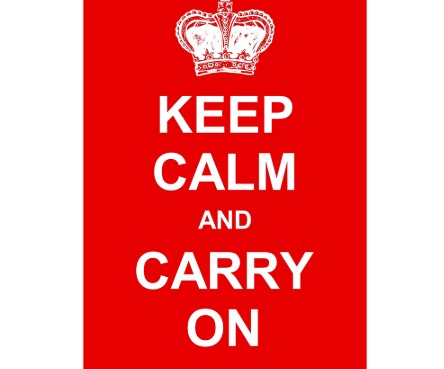
This well-known British expression originated during World War II. In 1939, the UK government produced motivational posters to prepare citizens for potential bombings. “Keep calm and carry on” was one of them, intended to boost public morale in case of a Nazi invasion. The phrase was part of a wider campaign to instil quiet resilience during wartime.
Interestingly, most people never saw the poster during the war. Millions were printed, but the government chose not to distribute them widely. It wasn’t until a copy was discovered in a second-hand bookshop in 2000 that the phrase gained its modern popularity. Its rediscovery turned it into a cultural icon of British stoicism.
Today, this UK saying symbolises a typically British attitude—stiff upper lip and no fuss. People use it to remind themselves or others to remain composed in difficult situations. The phrase is now often seen on mugs, T-shirts, and posters as a form of nostalgic humour.
Over the years, it has inspired countless variations. Slogans like “Keep calm and drink tea” play on the original message. Yet, despite its modern use, its roots lie in wartime hardship and perseverance. What began as a government message now stands as a classic example of traditional English idioms.
2- “Mind the gap”
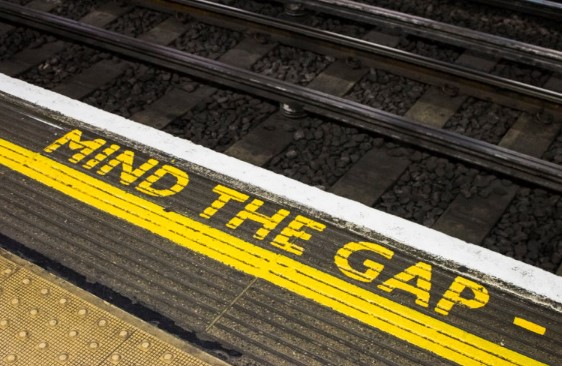
This classic UK phrase is most famously heard on the London Underground. It was introduced in the late 1960s when the Tube system expanded. With curved platforms and straight trains, a dangerous space often appeared between the train and the platform. “Mind the gap” became a safety warning that quickly entered everyday British language.
The phrase was chosen for its simplicity and clarity. In a crowded, noisy station, a short, sharp warning was crucial. Early recordings used real human voices, including that of actor Oswald Laurence. His voice became iconic, even after his death, when his widow requested its return to Embankment station.
Beyond the Underground, this British expression has taken on symbolic meanings. It’s used to caution people metaphorically, warning them of missed opportunities or differences in expectations. It has evolved from a practical alert to a cultural reference in film, music, and fashion.
Over time, “Mind the gap” has become one of the most recognisable UK sayings worldwide. Tourists often buy souvenirs with the phrase, while locals still hear it daily. It remains a functional message rooted in London’s transport history and British design.
3- “The grass is always greener on the other side”
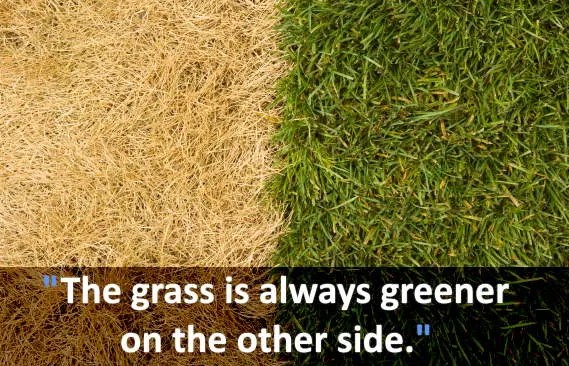
This common English phrase traces its roots to Latin proverbs. The original idea dates back to Roman poet Ovid, who wrote about envy and longing for what others have. In British usage, the modern version appeared by the 18th century. It describes the human tendency to think other people’s situations are better.
The expression reflects a recurring theme in British culture—quiet dissatisfaction mixed with humour. It often appears in everyday conversations about jobs, relationships, or lifestyles. People use it when discussing choices and regrets, sometimes with a hint of irony.
As a traditional British idiom, it carries both emotional and philosophical weight. It cautions against taking things at face value and idealising what you don’t have. It has been referenced in literature, song lyrics, and comedy sketches throughout UK media.
Although the phrase is used globally, its popularity in Britain connects with the country’s self-deprecating humour. It suits a culture that often doubts perfection and values understatement. That’s why it has remained one of the enduring British expressions in modern speech.
4- “Bob’s your uncle!”

This curious UK saying dates back to the 19th century. One theory suggests it came from a case of political nepotism. In 1887, British Prime Minister Lord Salisbury appointed his nephew, Arthur Balfour, to a high office. People joked that success was guaranteed if “Bob” (Salisbury) was your uncle.
From there, the phrase came to symbolise ease and certainty. It’s often used at the end of instructions, as if to say “and there you have it.” For example, “Add sugar, stir, and Bob’s your uncle!” It conveys that the task is complete or bound to succeed.
This British expression is informal and light-hearted. It’s mostly used in England and less known in other English-speaking countries. Its tone fits with British humour—dry, understated, and a bit absurd.
Over time, people have paired it with other phrases, like “and Fanny’s your aunt,” to add humour. Despite its unclear origin, its usage has only grown in daily speech. It remains one of the most distinctively British sayings, evoking charm and tradition.
5- “It’s raining cats and dogs”

This vivid English phrase has puzzled historians for centuries. It first appeared in the 17th century and may come from Norse mythology or medieval street conditions. During heavy rain, dead animals were sometimes found washed into gutters. The gruesome image may have inspired this strange expression.
Another theory suggests the phrase evolved from older idioms. Writers like Jonathan Swift used it in satire, possibly mocking chaotic urban life. By the 18th century, it had become a popular metaphor for a heavy downpour.
In British English, the phrase is now more humorous than literal. It exaggerates the idea of intense weather in a playful way. People often use it to express shock at sudden or extreme rainfall, especially in conversation or storytelling.
Though not used as often by younger generations, it remains a well-known UK saying. It’s one of those phrases that sound oddly poetic and old-fashioned. Its strange imagery and long history make it a memorable part of traditional English idioms.
6- “Fancy a cuppa?”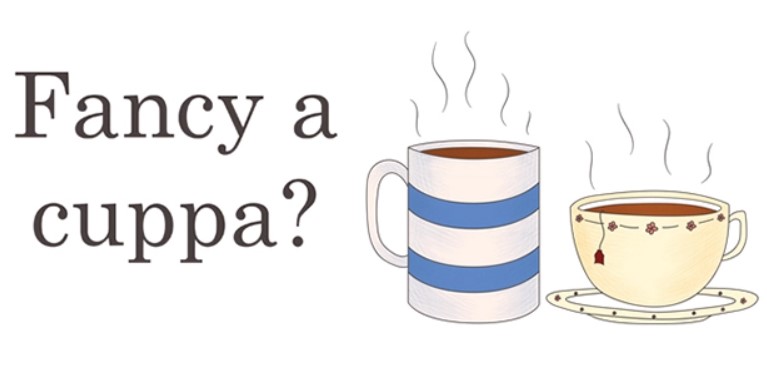
This casual British expression reflects one of the UK’s most beloved rituals—tea drinking. The phrase “Fancy a cuppa?” is an informal way of asking someone if they’d like a cup of tea. It embodies the cultural significance of tea as a comforting and social gesture in British life.
The term “fancy” in this context means “do you want,” while “cuppa” is a clipped form of “cup of tea.” The phrase gained popularity during the early 20th century, as tea became a staple in working-class homes. It offered not just refreshment but also a moment of rest and connection.
Over time, this UK saying became embedded in everyday conversation. It appears in homes, offices, and cafés across the country. Offering a cuppa often signals hospitality, friendliness, or a desire to talk things through.
Today, “Fancy a cuppa?” still carries deep cultural weight. It’s not just about tea—it’s about warmth, pause, and social bonding. Among British expressions, it symbolises a shared national habit wrapped in comfort and familiarity.
7- “Britain is a nation of shopkeepers”
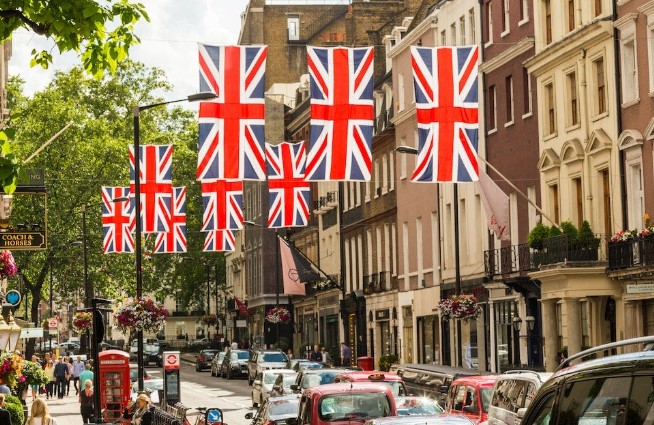
This historic British phrase is often linked to Napoleon Bonaparte, who reportedly used it to insult the UK. Though disputed, the phrase stuck. It originally appeared in Adam Smith’s Wealth of Nations, referring to Britain’s commercial character. The phrase reflects the country’s strong tradition in trade and entrepreneurship.
Throughout the 18th and 19th centuries, Britain’s identity was tied to markets, merchants, and colonial commerce. The phrase suggested pride in economic independence, not just military might. It became a backhanded compliment—mockery to some, motivation to others.
During wartime, particularly WWII, it was reclaimed by Britons as a sign of resilience. Shopkeepers symbolised the local community, grit, and self-reliance. This UK saying came to represent the backbone of society—ordinary people running businesses with determination.
Now, “a nation of shopkeepers” still holds relevance in modern Britain. It reminds people of small business strength and national character. As a traditional English idiom, it blends history, pride, and the entrepreneurial spirit of the UK.
8- “London Calling”
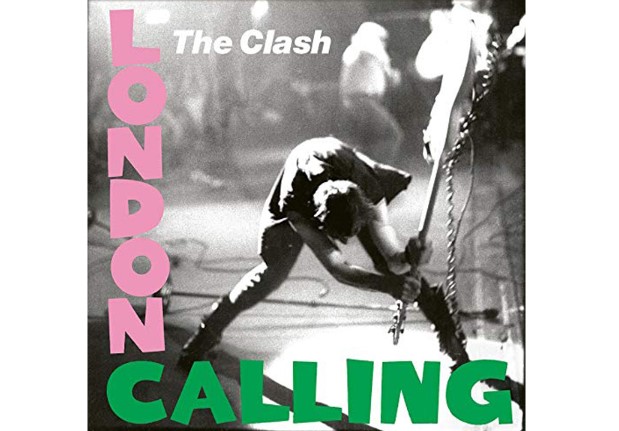
This phrase became iconic thanks to the punk band The Clash and their 1979 anthem “London Calling.” The title referenced a phrase used by the BBC during WWII—“This is London calling”—to introduce overseas radio broadcasts. It symbolised British outreach, resistance, and information during global conflict.
The punk song brought a new layer of meaning. It expressed urgency, rebellion, and political tension. The phrase thus became a cultural signal of upheaval and communication. It transformed into a rallying cry, reflecting the city’s voice during times of crisis.
Outside music, “London Calling” evokes the city’s draw for tourists, dreamers, and migrants. It speaks to its reputation as a global capital of culture, finance, and diversity. The phrase is now used in travel, branding, and advertising to stir curiosity and attraction.
Despite its modern use, the phrase has deep roots in British wartime media and post-war music. It’s both historical and contemporary. As a British expression, it captures London’s unique role as both a beacon and a battleground.
9- “The proof is in the pudding”
This well-known UK saying is often misunderstood. The original version was “the proof of the pudding is in the eating,” meaning something’s value must be tested through experience. It dates back to at least the 17th century and highlights the importance of results over promises.
“Pudding” in historical Britain referred to savoury dishes as well as sweet ones. The idiom implied that only by tasting could you judge quality or success. Over time, the phrase was shortened, which slightly obscured its original meaning.
Today, it’s used to suggest that actions speak louder than words. People apply it to projects, plans, or performances to emphasise outcomes. It’s a staple in British speech, especially when managing expectations or offering advice.
Although common worldwide, the phrase retains strong links to British culinary and linguistic history. It combines food, wisdom, and a dose of realism. Among traditional English idioms, it remains both folksy and practical, with a twist of humour.
10- “Rule Britannia!”
First performed in 1740, “Rule, Britannia!” is a patriotic British anthem tied to naval dominance. Written by James Thomson and set to music by Thomas Arne, it celebrated Britain’s maritime strength. The phrase “Rule, Britannia!” became a declaration of national power and pride.
At a time when the British Empire was expanding, the phrase inspired confidence in the Royal Navy and the country’s place in the world. It reflected a belief in liberty and control of the seas. It quickly became a fixture in national celebrations, including the Proms.
The phrase has also been controversial, especially in recent times. Critics see it as a reminder of colonial attitudes, while others defend it as a historical tradition. Debates continue over its meaning in modern multicultural Britain.
Despite changing views, “Rule, Britannia!” remains one of the most recognised UK sayings. It is still sung with pride by some and questioned by others. Its longevity shows the power of music and language in shaping British identity through the centuries.
Faq’s
Why should I learn English phrases about the UK?
Learning English phrases about the UK can make conversations with British people more natural and engaging. They offer insight into the country’s traditions, humour, and way of thinking. Understanding these phrases also helps avoid confusion, especially when the literal meaning differs from the intended one, making social interactions smoother and more enjoyable.
Are English phrases about the UK different from those in other English-speaking countries?
Yes, English phrases about the UK often carry unique meanings and cultural references that may not be recognised in other English-speaking countries. British phrases tend to be more understated and may use idioms that reflect the country’s history or traditions. Recognising these differences can help avoid misunderstandings and improve cross-cultural communication.
How can I use English phrases about the UK correctly?
To use English phrases about the UK correctly, it’s important to listen to how native speakers use them in different contexts. Paying attention to tone, setting, and formality will help you choose the right phrase at the right time. Practice in conversations, films, or books can also help reinforce natural usage and build confidence.
Are English phrases about the UK formal or informal?
Most English phrases about the UK tend to be informal and are commonly used in casual conversations. However, some may appear in formal settings depending on the speaker’s intent and the audience. Understanding the social context is key, as some phrases can sound playful, sarcastic, or even slightly rude if misused.
Can English phrases about the UK be confusing to non-native speakers?
Yes, they can be quite confusing because they often don’t mean what the individual words suggest. Without cultural context, these phrases might sound strange or illogical. Non-native speakers may misinterpret them or miss the intended humour or politeness behind them, which is why context and exposure are essential for understanding.