

Throughout the centuries, the UK has been home to many individuals who have left an indelible mark on its history. These historical figures in the UK have shaped society through their ideas, actions, and leadership, influencing everything from politics and science to literature and the arts. Their legacies continue to inspire generations and offer valuable lessons about resilience, vision, and social change.
Exploring the lives of historical figures in the UK provides a fascinating glimpse into the nation’s past. From transformative periods such as the Industrial Revolution to times of great upheaval like the world wars, these individuals stood out for their contributions in challenging times. Their stories are woven into the fabric of British heritage, helping to explain the values, institutions, and identity that define the country today.
Best historical figures in the UK
When considering the best historical figures in London and the UK, it’s not only their accomplishments that stand out, but also the context in which they lived and worked. Many emerged during moments of great adversity or cultural change, rising to meet the demands of their era with courage and conviction. These figures often challenged the status quo, pushing boundaries and sparking meaningful progress across multiple spheres of life.
The importance of these historical figures in the UK lies in their enduring influence. Whether through groundbreaking ideas, revolutionary reforms, or artistic achievements, their impact has transcended time. Studying their lives allows for a deeper understanding of the UK’s development as a nation and highlights the values that continue to shape its future.
1- Winston Churchill
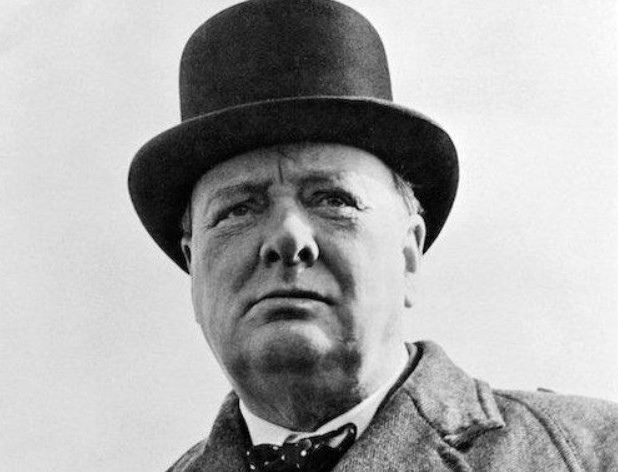
Winston Churchill, born on November 30, 1874, was one of the most influential leaders in British history. He served as Prime Minister during World War II, a time when his leadership was crucial for the nation. Churchill’s passionate speeches and unwavering determination inspired the British people during their darkest hours. His famous declaration, “We shall fight on the beaches,” rallied the nation against the threat of Nazi Germany.
Churchill’s political career began long before the war. He held various positions in government, including First Lord of the Admiralty, where he oversaw naval operations. His strategic insight and foresight were instrumental in shaping British military tactics. However, it was his return to power in 1940 that defined his legacy. He became a symbol of resilience and courage, embodying the spirit of defiance against tyranny.
Throughout the war, Churchill maintained close relationships with Allied leaders, including Franklin D. Roosevelt and Joseph Stalin. His diplomatic skills were vital in forging alliances that ultimately led to victory. Churchill’s efforts to unite nations against a common enemy showcased his exceptional leadership abilities and strategic thinking.
After the war, Churchill continued to influence British politics and global affairs. He was awarded the Nobel Prize in Literature in 1953 for his historical writings and speeches. His legacy lives on, not only as a wartime leader but also as a statesman who shaped the modern world. Winston Churchill remains an enduring symbol of courage and determination in the face of adversity.
2- William Shakespeare
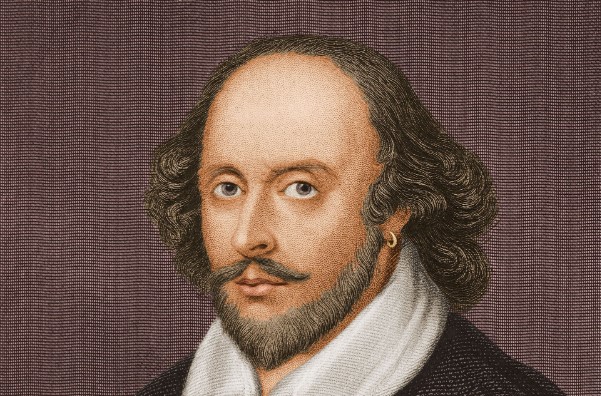
William Shakespeare, born in April 1564 in Stratford-upon-Avon, is often regarded as the greatest playwright in the English language. His works have profoundly influenced literature, theatre, and the arts for centuries. Shakespeare’s plays, ranging from tragedies like “Hamlet” to comedies like “A Midsummer Night’s Dream,” showcase his remarkable ability to explore the depths of human emotion and complexity.
Shakespeare’s writing is characterised by its rich language and intricate characters. His mastery of iambic pentameter and innovative use of vocabulary set new standards for poetry and drama. Many phrases and expressions he coined remain in common use today. Through his works, he delved into themes of love, power, jealousy, and betrayal, making his stories timeless and relatable.
Throughout his career, Shakespeare wrote 39 plays and 154 sonnets, leaving an indelible mark on English literature. His influence extends far beyond the stage, impacting writers, poets, and thinkers across the globe. Shakespeare’s works have been translated into every major language and continue to be performed in theatres worldwide.
Shakespeare’s legacy is celebrated annually, with events like Shakespeare’s birthday in April and the Globe Theatre’s performances in London. His unparalleled contribution to the arts ensures that he remains a pivotal figure in British history. William Shakespeare’s ability to capture the human experience solidifies his status as a literary giant.
3- Isaac Newton
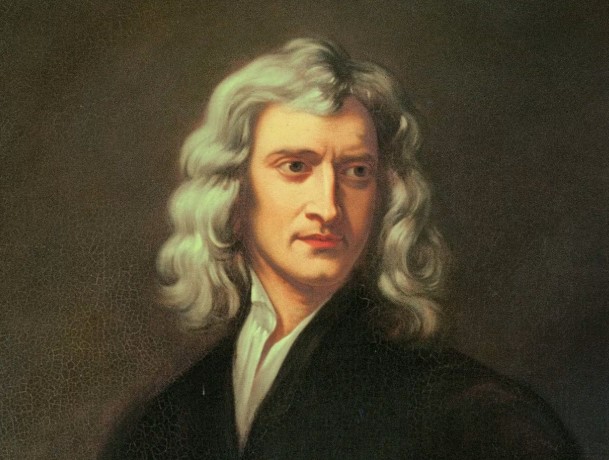
Sir Isaac Newton, born on January 4, 1643, in Woolsthorpe, is one of the most important scientific figures in history. His groundbreaking work laid the foundations for classical mechanics and significantly advanced the field of mathematics. Newton is famous for formulating the laws of motion and universal gravitation, concepts that transformed our understanding of the physical world.
Newton’s seminal work, “Philosophiæ Naturalis Principia Mathematica,” published in 1687, presented his laws of motion and the law of universal gravitation. This work is considered one of the most significant contributions to science ever made. Newton’s ability to apply mathematics to physical phenomena created a framework that would dominate scientific thought for centuries.
In addition to his contributions to physics, Newton made significant advancements in mathematics. He is credited with developing calculus independently of Gottfried Wilhelm Leibniz. This mathematical innovation has become a fundamental tool in various scientific fields, allowing for the analysis of change and motion.
Beyond his scientific achievements, Newton served as the Master of the Royal Mint and was instrumental in reforming the currency. His legacy as a scientist and thinker continues to influence modern science and mathematics. Sir Isaac Newton’s relentless pursuit of knowledge and inquiry marks him as one of the greatest minds in British history.
4- Charles Darwin
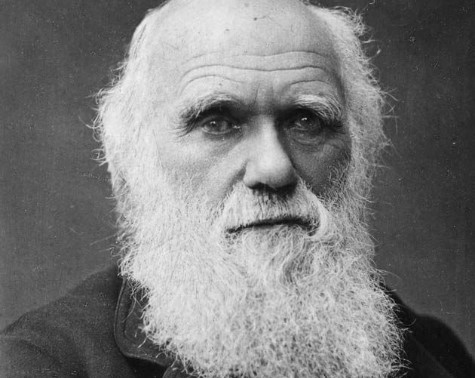
Charles Darwin, born on February 12, 1809, in Shrewsbury, is best known for his revolutionary theory of evolution. His seminal work, “On the Origin of Species,” published in 1859, introduced the concept of natural selection. This groundbreaking idea transformed our understanding of biology and the development of life on Earth.
Darwin’s journey aboard the HMS Beagle in the 1830s proved pivotal in shaping his theories. As he observed diverse species in the Galápagos Islands, he began to develop his ideas on adaptation and survival. His meticulous observations and detailed notes laid the groundwork for his later work, challenging established scientific beliefs of the time.
The publication of “On the Origin of Species” sparked widespread debate and controversy. Many religious and scientific communities initially resisted Darwin’s ideas, viewing them as a challenge to traditional beliefs. However, over time, his theory gained acceptance and fundamentally altered the field of biology.
Darwin’s influence extends far beyond biology; he changed how we understand human existence and our place in the natural world. His legacy continues to impact various fields, including genetics, ecology, and anthropology. Charles Darwin remains a pivotal figure in British history, celebrated for his courage in challenging prevailing norms and advancing scientific thought.
5- Elizabeth I, Queen of England
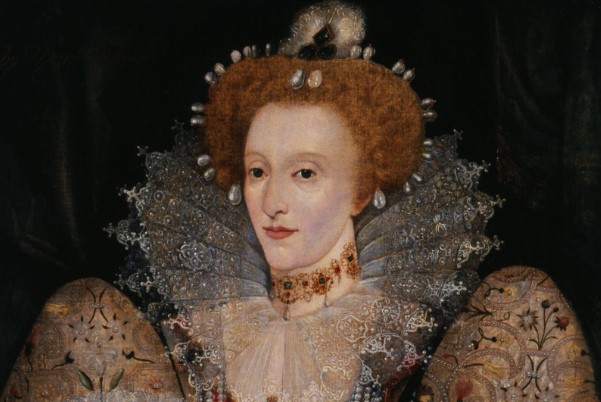
Elizabeth I, born on September 7, 1533, was the last monarch of the Tudor dynasty and one of the most remarkable figures in British history. Her reign, known as the Elizabethan Era, is celebrated for its cultural flourishing and political stability. Ascending to the throne in 1558, Elizabeth faced numerous challenges, including religious strife and threats from foreign powers.
Elizabeth’s leadership style was characterised by her intelligence and political acumen. She skillfully navigated the complexities of court politics and maintained her authority in a male-dominated society. Her ability to unite England under a single faith and promote religious tolerance helped solidify her rule and foster a sense of national identity.
Under Elizabeth’s reign, the arts thrived, producing notable figures like William Shakespeare and Christopher Marlowe. Her support for exploration led to significant maritime achievements, including Sir Francis Drake’s circumnavigation of the globe. The period is often regarded as a golden age, marked by advancements in culture, literature, and science.
Elizabeth’s legacy is one of strength and resilience. She successfully defended England against the Spanish Armada in 1588, asserting her nation’s power on the global stage. Queen Elizabeth I remains a symbol of female empowerment and leadership, inspiring generations with her determination and vision for England.
6- Diana, Princess of Wales
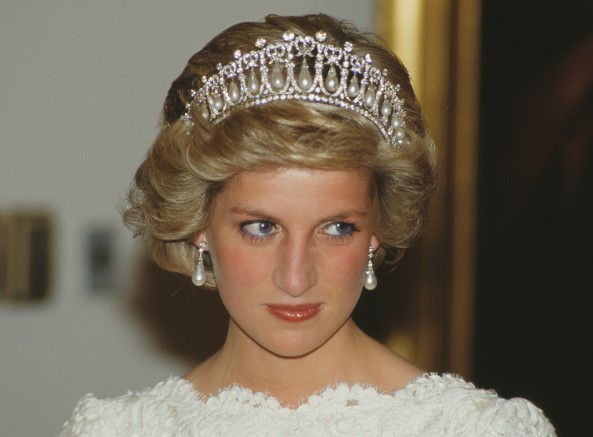
Diana, Princess of Wales, remains one of the most beloved historical figures in the UK. Born on July 1, 1961, she became a global icon after her marriage to Prince Charles in 1981. Her compassion and dedication to charitable causes earned her the nickname “the People’s Princess.” Diana was known for her active involvement in numerous charities, including those focused on HIV/AIDS awareness and landmine clearance. Her approachable nature and genuine concern for others set her apart from the usual royal expectations.
Throughout her life, Diana faced significant challenges, including a tumultuous marriage and intense media scrutiny. Despite these obstacles, she emerged as a powerful advocate for social change. Her ability to connect with individuals from all walks of life made her a role model for many. Diana’s influence extended beyond the UK; she was a global ambassador for humanitarian efforts, showcasing the importance of empathy and kindness.
Diana’s tragic passing in 1997 shocked the world and led to an unprecedented outpouring of grief. Her legacy endures through the causes she championed and the impact she had on the royal family. The public’s affection for her is evident even today, as her story continues to inspire documentaries, biographies, and films.
Ultimately, Diana, Princess of Wales, remains a significant figure in British history. Her ability to challenge norms and advocate for those in need solidified her place in the hearts of people everywhere. Her life exemplifies the power of compassion and the impact one individual can have on society.
7- John Lennon

John Lennon was an iconic musician and activist, best known as a founding member of The Beatles. Born on October 9, 1940, in Liverpool, Lennon quickly emerged as a creative force in the music world. His innovative songwriting and distinctive voice helped shape the sound of a generation. Alongside Paul McCartney, he penned many of The Beatles’ timeless hits, such as “Imagine” and “Help!”
Beyond his music career, Lennon was a fervent advocate for peace and social justice. He used his platform to speak out against war and inequality, particularly during the tumultuous 1960s. His famous “Bed-In for Peace” with Yoko Ono in 1969 became a symbol of nonviolent protest. Through music and activism, Lennon sought to inspire change and promote love and understanding.
Tragically, Lennon’s life was cut short on December 8, 1980, when he was assassinated outside his New York City home. His death shocked fans around the world and left a profound impact on the music industry. Despite his untimely passing, his influence remains strong, inspiring countless artists and activists.
Today, Lennon is celebrated not only for his musical contributions but also for his visionary ideals. His legacy as a champion of peace continues to resonate, making him one of the most significant historical figures in the UK. Through his art and activism, John Lennon remains a beacon of hope for many.
8- Margaret Thatcher
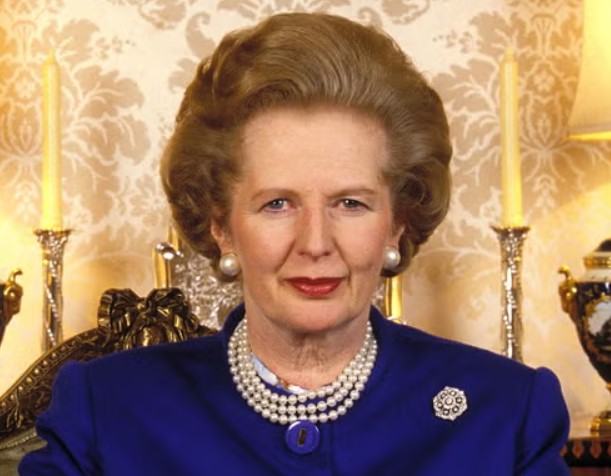
Margaret Thatcher, born on October 13, 1925, was the first female Prime Minister of the United Kingdom. Serving from 1979 to 1990, she was a formidable figure in British politics. Known as the “Iron Lady,” Thatcher’s leadership style was characterised by her strong conviction and unwavering resolve. Her policies, often referred to as “Thatcherism,” focused on free-market principles, reducing the power of trade unions, and promoting individual responsibility.
During her tenure, Thatcher faced numerous challenges, including economic recession and industrial unrest. However, her determination to implement radical reforms reshaped the British economy. She championed privatisation of state-owned industries, which significantly altered the landscape of the UK’s economic environment. Her controversial decisions often sparked fierce debate, yet her supporters credit her with revitalising the British economy.
Thatcher’s foreign policy was equally significant. Her close relationship with US President Ronald Reagan played a key role in the Cold War dynamics. She was a staunch opponent of communism and supported military interventions, such as the Falklands War in 1982. Her leadership during this conflict bolstered her standing among the British public.
Margaret Thatcher remains a polarising figure in UK history. Her legacy is a testament to her impact on both British society and global politics. As a trailblazer for women in leadership, she opened doors for future generations, leaving an indelible mark on the political landscape.
9- Horatio Nelson
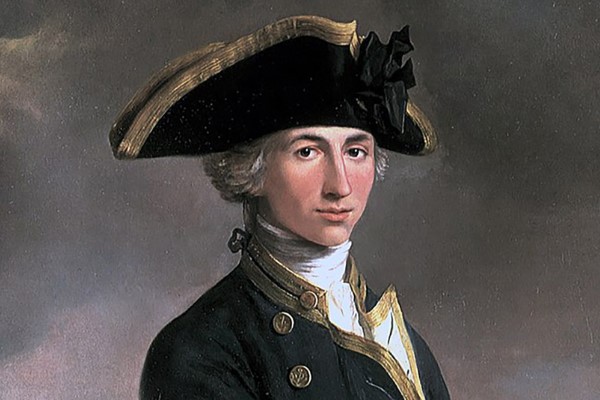
Admiral Horatio Nelson is one of the most celebrated naval commanders in British history. Born on September 29, 1758, in Norfolk, he rose through the ranks of the Royal Navy during the late 18th century. Nelson is famous for his decisive victories against the French during the Napoleonic Wars. His leadership and tactical genius were pivotal during key battles, most notably the Battle of Trafalgar in 1805.
Nelson’s career was marked by several injuries and challenges, yet he consistently displayed remarkable resilience. His innovative strategies and daring tactics revolutionised naval warfare. At Trafalgar, he famously signalled, “England expects that every man will do his duty,” rallying his fleet to victory despite overwhelming odds. This battle ensured British naval supremacy for years to come.
Nelson’s life was cut short during the Battle of Trafalgar. He sustained fatal injuries but died knowing he had secured a decisive victory. His death was mourned across the nation, and he was hailed as a national hero. The legacy of his bravery and strategic brilliance endures, making him a symbol of British naval prowess.
Today, Nelson is commemorated in various forms, from statues to memorials across the UK. His contributions to naval history and British identity remain significant, cementing his status as a key historical figure. Horatio Nelson’s life exemplifies courage, leadership, and the spirit of determination.
10- Isambard Kingdom Brunel
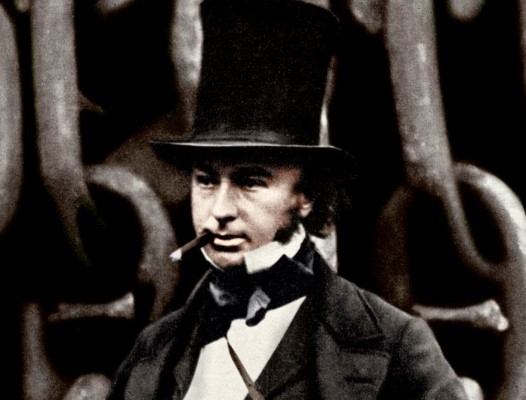
Isambard Kingdom Brunel was a pioneering engineer and designer, renowned for his innovative contributions to civil engineering. Born on April 9, 1806, in Portsmouth, he played a crucial role in shaping Victorian Britain. Brunel’s work on railways, ships, and bridges transformed transportation during the Industrial Revolution. His visionary projects included the Great Western Railway and the famous Clifton Suspension Bridge.
Brunel’s engineering feats were marked by ambition and creativity. He was not afraid to push the boundaries of technology and design. His design of the Great Eastern, a revolutionary steamship, was the largest ship of its time. It showcased Brunel’s commitment to advancing maritime engineering and set new standards for shipbuilding.
Throughout his career, Brunel faced numerous challenges, including financial difficulties and public scepticism. Yet, his tenacity and innovative spirit led to remarkable achievements. The Thames Tunnel, one of his most ambitious projects, was the first underwater tunnel in the world. It exemplified his ability to overcome obstacles and realise groundbreaking ideas.
Brunel’s legacy is one of ingenuity and progress. His contributions to engineering continue to influence modern infrastructure. Today, he is celebrated as one of the foremost engineers in British history, leaving an indelible mark on the landscape of the UK.
Faq’s
What makes historical figures in the UK so influential?
Historical figures in the UK are influential because they shaped the political, cultural, and scientific landscapes of their times. Their contributions laid the foundation for institutions, laws, and innovations that continue to impact the world today. Many are remembered for their leadership, creativity, and the way they responded to challenges that defined their eras.
How did historical figures in the UK contribute to global developments?
Many historical figures in the UK played a role in global progress through exploration, diplomacy, science, and cultural exchange. Their efforts often extended far beyond the nation’s borders, influencing international politics, trade, and intellectual thought. Their legacy can be seen in global institutions, educational systems, and social movements inspired by their ideas.
Why are historical figures in the UK still studied today?
They are studied today because their actions and ideas continue to offer valuable lessons in leadership, ethics, and innovation. Their stories help contextualise current events and offer insight into how societies evolve. By understanding their achievements and failures, we gain a deeper understanding of the present.
What challenges did historical figures in the UK commonly face?
Historical figures in the UK often faced political resistance, social opposition, and the burden of public expectation. Many dealt with wars, religious conflict, or societal change, which tested their resilience and vision. Despite adversity, their persistence and influence helped shape key historical transitions.
How are historical figures in the UK remembered and honoured?
They are remembered through memorials, museums, literature, and educational curriculums. Their contributions are preserved in archives and commemorated during national events and anniversaries. These acts of remembrance help ensure their impact is not forgotten and continues to inspire future generations.