

Free services in the UK offer essential support to individuals and families from all walks of life. Whether you’re seeking advice, health assistance, or educational resources, you’ll likely find help without the need to pay. These services have been designed to reduce inequality and make sure everyone has access to basic support, regardless of their financial situation. As a result, they play a crucial role in improving daily life and long-term well-being.
Moreover, free services in the UK continue to evolve to meet changing needs. From legal guidance to mental health support, there’s a wide range of options available across different sectors. They help bridge gaps in access and offer a safety net for those facing hardship. Importantly, many of these services are not only accessible but also easy to use, ensuring individuals can get the help they need quickly and efficiently.
Best Free Services in the UK
The best free services in the UK cover multiple aspects of life, including healthcare, education, financial advice, and emotional support. These services aim to remove barriers and empower people with information, guidance, and practical tools. Additionally, they o
ften provide face-to-face support, helplines, and online platforms, making help readily available to those in need. What makes them stand out is not only the quality of the service but also their inclusive approach.
In addition, these services promote long-term self-sufficiency by offering tools that encourage personal growth and resilience. Whether someone is looking to develop skills, improve their mental health, or get help during a difficult period, these free options can make a meaningful difference. Ultimately, free services in the UK are a vital part of the country’s support network, giving people the confidence to move forward without financial pressure.
1- NHS Healthcare

The National Health Service (NHS)remains one of the most recognisable and relied-upon free services in the UK. It offers essential medical care to all UK residents, regardless of income or employment status. Services such as GP appointments, hospital stays, and emergency treatment are covered, with no charge at the point of delivery. This universal model aims to make healthcare accessible to everyone, ensuring financial hardship doesn’t prevent individuals from receiving treatment.
Beyond primary and emergency care, the NHS also provides a wide range of specialised treatments. These include cancer care, maternity services, mental health support, and chronic illness management. Specialists and consultants are available across NHS hospitals, providing expert care without direct costs to the patient. Prescriptions are either subsidised or free in certain UK nations, helping reduce the burden of long-term medical conditions.
Preventive healthcare is another core pillar of the NHS. The system encourages regular screenings, immunisations, and health check-ups to catch conditions early. Programmes for diabetes, heart disease, and cervical cancer screening are just some examples of early intervention services. In addition, public health campaigns promote healthy lifestyles and awareness, aiming to lower future demand on services.
In times of crisis, the NHS demonstrates its full capacity. From A&E departments to urgent care centres, trained professionals respond quickly and efficiently. Ambulance services, paramedics, and emergency surgeries remain completely free services in the UK, supported by public funding. By ensuring immediate access to life-saving interventions, the NHS strengthens the foundation of a fair and equitable health system. Through every level of care, the NHS reflects the UK’s commitment to health as a public good.
2- BBC iPlayer

BBC iPlayer offers one of the most popular no-cost digital services in the UK, giving users access to a vast library of television and radio content. Residents can stream dramas, comedies, documentaries, and live news broadcasts without paying additional fees. While a valid TV licence is legally required to access live TV and certain programmes, there are no monthly charges for using the platform itself.
The service acts as a digital extension of the BBC’s public broadcasting mission. It supports accessibility through subtitles, audio description, and sign language content. BBC iPlayer promotes digital inclusivity by allowing people to access quality media without a subscription. You can stream programmes on-demand, rewind live TV, or download shows to watch offline later. This makes it especially useful for busy users with varying schedules.
Educational content plays a major role within the iPlayer offering. From school-focused programming to documentaries covering science, history, and the arts, the platform serves as a learning hub. It’s frequently used by students, teachers, and curious minds alike, helping bridge the gap between education and entertainment. During national disruptions, such as school closures, the BBC has increased its educational output to support learning at home.
In addition, the iPlayer caters to a wide audience across the UK’s nations and regions. It offers localised content, regional news, and cultural programming in different UK languages. This localisation ensures that BBC iPlayer reflects the diversity of British life, providing content that speaks to different communities. As one of the UK’s leading free public media services, it combines accessibility, education, and culture in a user-friendly digital format.
3- Citizens Advice
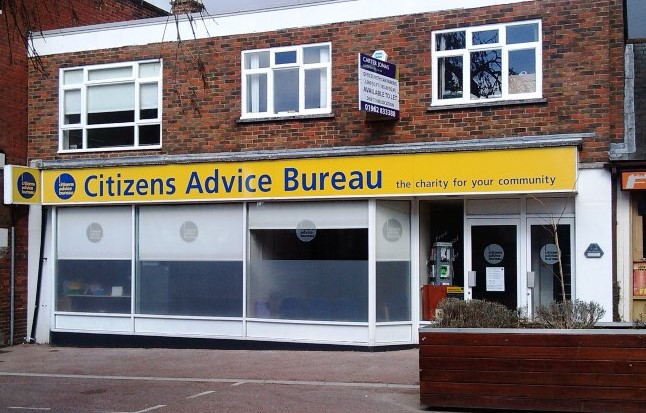
Citizens Advice stands out among the most impactful free services in the UK, offering confidential guidance to individuals facing personal or financial challenges. It supports people dealing with issues related to housing, work, benefits, and consumer rights. Anyone in the UK can use the service, whether online, by phone, or through in-person appointments at local branches.
One of the core strengths of Citizens Advice is its legal and financial expertise. Advisors provide assistance with resolving debt, navigating divorce or custody arrangements, or challenging unfair dismissals. They offer detailed, practical information grounded in UK law, allowing individuals to take informed steps. People can also access templates, guides, and step-by-step tools on the website, simplifying complex processes.
The service particularly helps vulnerable groups such as low-income households, migrants, or individuals at risk of homelessness. Advisors assess eligibility for benefits and offer guidance on claiming support. This ensures people do not miss out on vital entitlements they legally qualify for. In times of crisis, like rising living costs, Citizens Advice often becomes a critical first point of contact for many families in need.
Moreover, Citizens Advice contributes to policy discussions by publishing anonymised data and trend reports. These insights inform government and public debate around systemic issues, including housing inequality and access to justice. By combining individual support with structural advocacy, Citizens Advice plays a unique dual role in society. It empowers individuals while also pushing for long-term social improvements through its research and policy work.
4- Jobcentre Plus
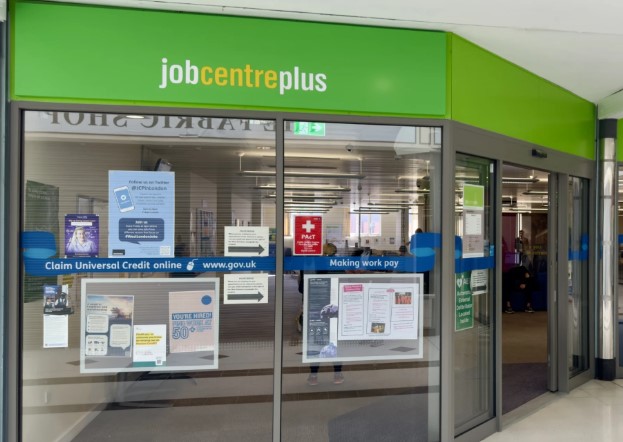
Jobcentre Plus offers free employment support and welfare guidance across the UK, operated by the Department for Work and Pensions. The service helps job seekers access employment benefits, prepare for the workforce, and connect with potential employers. It acts as a crucial hub for those out of work, recently made redundant, or entering the labour market for the first time.
One key component is career advice. Advisors help individuals understand their strengths, explore suitable roles, and improve their job prospects. Free workshops and one-to-one sessions cover CV writing, interview skills, and personal development, giving people the tools they need to succeed. This kind of support can be especially useful for young people, older workers, or those changing careers.
The service also facilitates access to financial support. From Universal Credit to Jobseeker’s allowance, Jobcentre Plus guides applicants through the process. It ensures people understand their rights and responsibilities while claiming benefits, reducing the risk of delays or errors. Staff also monitor claimants’ progress, helping them stay on track with agreed work-related activities.
Furthermore, Jobcentre Plus often partners with local employers and training providers. It connects job seekers to vacancies, apprenticeships, and work experience opportunities. This collaboration creates direct pathways into employment, which is vital for boosting local economies and personal financial stability. Job fairs, employer meet-and-greets, and funded training courses are frequently organised, offering practical ways to engage with the job market.
5- Public Libraries

Public libraries remain one of the most enduring free community resources in the UK, accessible to people of all ages. They offer much more than books, providing access to internet-connected computers, printing facilities, and quiet study spaces. For many individuals and families, especially those without home internet or limited space, libraries provide an essential environment for learning and development.
Digital services have expanded significantly in recent years. UK libraries now offer free eBooks, audiobooks, and online databases covering a wide range of topics. Users can borrow digital materials at no cost, from anywhere, using library apps. This transition to digital access has made library services more inclusive, especially for rural or home-bound users.
Libraries also act as learning hubs. Many run sessions in computer literacy, coding, language learning, and job-seeking skills. Workshops help improve digital competence and support employment goals, particularly for those less familiar with technology. Some locations host English language classes or citizenship preparation courses, offering direct support to newcomers and settled migrants.
Finally, public libraries play a vital role in building a community. They often host children’s story times, cultural events, and reading groups. These activities create inclusive, non-commercial spaces for people to connect, share knowledge, and build confidence. Libraries promote lifelong learning and civic engagement, supporting both personal enrichment and public good in a changing digital age.
6- National Careers Service

The National Careers Service stands as a vital resource offering free careers guidance to individuals aged 13 and over in England. This government-backed service delivers expert advice tailored to various stages of life, from students to adults seeking a career change. Users can access personalised support that covers a broad range of topics, including CV writing, interview techniques, and understanding the current job market. This free resource helps individuals make informed decisions about their career paths by providing clear and practical information.
What makes the National Careers Service especially valuable is its comprehensive approach to career development. Beyond just job hunting, it provides insight into available training programmes, apprenticeships, and qualifications relevant to different industries. Career advisors are available both online and by phone, allowing flexible access to help that suits different needs and schedules. The service also supports those unsure about their next steps by offering tools like skills assessments and interest quizzes, enabling users to better understand their strengths and potential career directions.
The service covers a wide spectrum of sectors and job roles, ensuring that individuals can explore opportunities beyond traditional paths. It also highlights labour market trends, helping people understand which industries are growing and where demand is increasing. This information is crucial for making strategic choices about skills development and employment. Additionally, the National Careers Service encourages lifelong learning, stressing the importance of continuous personal and professional growth.
Importantly, the National Careers Service operates without any cost to users, making it an accessible resource for everyone. Whether someone is looking for their first job, considering retraining, or needing support to advance their career, this service offers a trusted foundation. Its government backing ensures reliability and up-to-date information. Overall, this service plays a significant role in enhancing employment opportunities and empowering people across England through free and accessible career support.
7- Free School Meals

Free school meals provide essential nutrition to eligible children across the UK, ensuring they receive balanced food during the school day. This government-funded programme targets families on low incomes, aiming to reduce food insecurity among school-aged children. By offering nutritious meals at no cost, the scheme helps children stay focused and energised, supporting their learning and overall well-being. Schools participating in the programme provide lunches that meet strict nutritional standards, making sure pupils get a healthy mix of food groups.
Beyond the daily meals, many areas extend this support during school holidays through food voucher schemes or meal programmes. These initiatives address the challenge of food poverty when schools are closed, helping families manage costs. This extension is particularly important as it helps maintain children’s health and concentration even outside term time. The scheme also promotes social equality by ensuring that all eligible children receive the same quality of food without stigma or discrimination.
The eligibility criteria for free school meals depend on family income and benefit status. Families must meet specific financial thresholds to qualify, which helps target support to those most in need. Schools handle the application process confidentially to protect families’ privacy. This system encourages uptake by removing barriers and providing support discreetly, making it easier for eligible children to benefit without feeling singled out.
Ultimately, free school meals contribute to reducing child poverty and improving educational outcomes. By tackling hunger and malnutrition, the scheme helps pupils perform better academically and maintain good health. It also plays a wider social role by promoting fairness and providing an equal opportunity for all children to thrive during their school years. This programme remains a cornerstone of support for families across the UK.
8- Mental Health Support Services (NHS Talking Therapies)
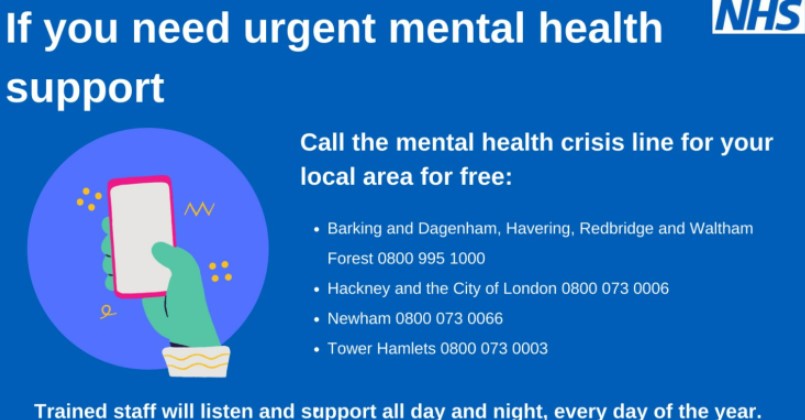
NHS Talking Therapies provides accessible mental health care for people experiencing common issues such as anxiety and depression. These services, offered free across the UK, focus on evidence-based treatments like cognitive behavioural therapy (CBT), counselling, and group support sessions. Their primary goal is to help individuals manage symptoms and improve emotional well-being without the need for medication unless clinically necessary. Access is straightforward, typically involving self-referral or GP recommendation, making it easier for people to seek help quickly.
The flexibility of NHS Talking Therapies is a key benefit. Sessions can be conducted face-to-face, over the phone, or online, catering to different preferences and circumstances. This adaptability has increased reach, especially for those who find attending in person difficult. Patients receive personalised care plans tailored to their unique needs and circumstances, allowing for targeted support that evolves over time. The therapies cover a wide range of issues from mild stress to more persistent mental health conditions.
Moreover, NHS Talking Therapies contribute to reducing the stigma surrounding mental health by normalising seeking help. Public awareness campaigns and healthcare policies support this service as a frontline mental health resource. The service also emphasises early intervention, recognising that prompt support can prevent conditions from worsening and reduce the need for more intensive treatments. By offering timely help, it promotes recovery and resilience.
Overall, NHS Talking Therapies represent a vital component of the UK’s mental health infrastructure. They empower people to regain control over their mental health through practical strategies and professional support, all free of charge. This availability significantly enhances the accessibility of mental health care for all residents, reinforcing the nation’s commitment to well-being.
9- UK Government Free Courses for Jobs

The UK Government’s Free Courses for Jobs initiative offers fully funded vocational training to adults in England without a Level 3 qualification. This programme focuses on priority sectors experiencing skills shortages, such as health and social care, digital, construction, and engineering. It aims to equip learners with practical skills and recognised qualifications that enhance employability and support career advancement. The courses are designed to be flexible, accommodating different learning styles and schedules.
A distinctive feature of these free courses is their accessibility. Adults over 19 who do not already hold a Level 3 qualification can enrol without incurring any fees. This removes financial barriers that often limit access to education and training. The initiative includes short courses and longer programmes, enabling learners to choose options that best fit their goals and availability. Many courses incorporate hands-on experience or work placements, which increases the chances of securing employment after completion.
The government’s focus on priority sectors reflects labour market demands, ensuring that skills development aligns with job opportunities. Learners gain up-to-date industry knowledge and practical expertise that meets employers’ requirements. This alignment helps bridge the gap between education and work, promoting economic growth and reducing unemployment. Additionally, many courses are delivered through further education colleges and training providers across England, making them one of the free services geographically accessible.
In summary, the Free Courses for Jobs scheme represents a strategic effort to empower adults through education without financial burden. It supports personal development and addresses workforce needs simultaneously. By offering free, targeted vocational training, this programme contributes to building a skilled and adaptable workforce prepared for current and future job markets.
10- Free Museum Entry

Free museum entry is a hallmark of the UK’s commitment to making culture and history accessible to all. Many of the country’s most renowned museums and galleries, such as the British Museum and the National Gallery, provide free admission to their permanent exhibitions. This policy encourages public engagement with art, history, and science regardless of socioeconomic status. Visitors can explore diverse collections spanning thousands of years, from ancient artefacts to modern masterpieces, enriching their cultural understanding.
The availability of free entry also supports education and lifelong learning. Schools frequently use museums as teaching resources, enabling children to experience history and creativity firsthand. Adults benefit as well, with exhibitions offering opportunities to deepen knowledge and enjoy leisure activities. Special exhibitions or temporary shows may require tickets, but the core collections remain free, ensuring broad access. This approach fosters inclusivity and cultural participation.
Moreover, free admission helps promote tourism and community involvement. Visitors from across the UK and beyond are drawn to these institutions, which play an important role in the cultural landscape. Museums often host workshops, talks, and events that engage local residents, making culture a shared and interactive experience. This social role supports well-being and encourages creativity.
In essence, free museum entry makes the UK’s rich heritage and artistic achievements available to everyone. It removes financial obstacles and invites diverse audiences to explore, learn, and appreciate the wealth of culture on offer. This openness reinforces the UK’s reputation as a global cultural hub and supports the preservation and celebration of its collective history.
Faq’s
What types of free services in the UK are available?
Free services in the UK cover a wide range of essential and supportive resources for residents. These include healthcare consultations, mental health support, legal advice, and educational assistance. Many of these services are publicly funded, aiming to ensure equal access regardless of income or background. By offering no-cost support, they help reduce social inequality and promote well-being across communities.
Who can access no-cost public services in the UK?
Most no-cost public services in the UK are available to residents, including citizens, permanent residents, and in some cases, certain categories of migrants. Access often depends on eligibility criteria, such as age, income level, or personal circumstances. The goal is to ensure that individuals facing hardship or particular life challenges can receive the help they need without financial burden. Registration or documentation may be required in some cases.
How do free UK support services help the community?
Free UK support services play a crucial role in strengthening communities by providing essential aid without cost. They help individuals overcome challenges related to health, education, and legal rights, fostering greater independence and resilience. These services also contribute to social cohesion by ensuring that everyone, regardless of economic status, has access to basic support systems. This creates a more inclusive and fair society.
Are free advisory services reliable and trustworthy?
Yes, many free advisory services in the UK are staffed by qualified professionals who are trained to provide accurate and impartial guidance. These services are designed to help individuals understand their rights, make informed decisions, and find solutions to personal or legal issues. Because they operate independently or are publicly funded, there is often no pressure or conflict of interest, ensuring unbiased and confidential support.
Can I get long-term help through free assistance programmes?
Some no-cost assistance programmes in the UK do offer long-term or ongoing support, depending on the nature of the service and individual needs. Whether it’s continuing therapy, education-related aid, or guidance through life transitions, certain programmes are structured to provide support over weeks or months. While not all services offer long-term care, many are designed to make a lasting impact on people’s lives.