

In today’s fast-paced world, more people are looking beyond flavour and convenience when choosing what to eat. Increasingly, health-conscious consumers are turning their attention to foods with hidden benefits in the UK, aiming to improve overall well-being without sacrificing taste. These are everyday ingredients that offer more than meets the eye—supporting digestion, boosting immunity, or improving mental clarity—often without being widely recognised for their powerful effects.
Surprisingly, many of the foods with hidden benefits in the UK can be found in ordinary meals or snacks. Whether it’s a common vegetable with anti-inflammatory properties or a grain that supports heart health, these unassuming items can quietly contribute to a better lifestyle. By understanding their true potential, people can make smarter dietary choices that support long-term health in simple, enjoyable ways.
Best foods with hidden benefits in the UK
To begin with, some of the best foods with hidden benefits in the UK include those packed with naturally occurring antioxidants. These compounds help protect the body from oxidative stress, which can lead to ageing and illness. What’s often overlooked is that even simple herbs, seeds, or roots can contain high levels of these protective agents. As a result, incorporating them into daily meals can significantly enhance nutritional value without much effort.
Moreover, foods rich in fibre or healthy fats often offer benefits that go unnoticed. These components can improve digestion, stabilise blood sugar levels, and support cognitive function. While they might not be labelled as superfoods, their impact can be just as powerful. Ultimately, recognising these everyday heroes allows people to create balanced diets that do more than just satisfy hunger—they actively support better health.
1- Oats
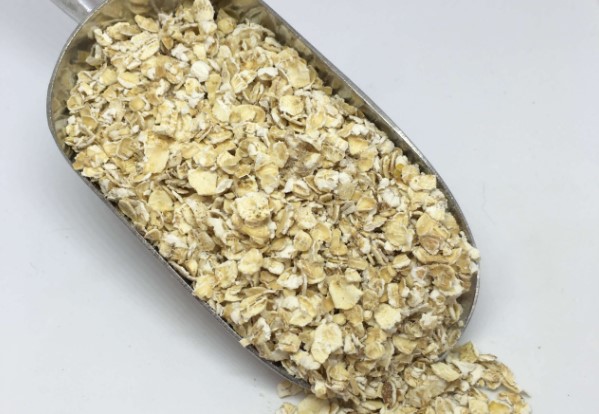
Oats have long been a staple in British kitchens, especially at breakfast. Originally cultivated in northern Europe, oats became popular in the UK thanks to their hardiness and nutritional value. They thrive in the cooler climates of Scotland and northern England, which is why porridge remains a traditional dish. While they might appear humble, oats contain a unique fibre called beta-glucan, which plays a crucial role in heart health. This natural compound helps reduce LDL cholesterol levels, supporting cardiovascular wellbeing.
Moreover, oats contribute significantly to digestive health. Their high fibre content helps regulate bowel movements and promotes a healthy gut environment. This makes them ideal for people seeking gentle, effective dietary changes. Many nutritionists praise oats for their ability to balance blood sugar and maintain energy levels. When eaten regularly, they can even help reduce the risk of type 2 diabetes. Unlike more processed breakfast options, oats offer slow-releasing energy without added sugar.
Interestingly, oats are also quite filling. They expand when cooked, creating a satisfying meal that can help reduce unnecessary snacking throughout the day. By keeping you fuller for longer, oats support weight management in a natural and affordable way. Adding fruit, seeds, or spices like cinnamon can make them even more nutrient-dense. This versatility has helped oats remain popular across all age groups.
Lastly, oats are a source of plant-based protein and several essential vitamins, including B vitamins and iron. They are also gluten-free by nature, although some may be cross-contaminated during processing. With their mix of health benefits and low cost, oats remain one of the most underrated superfoods in the UK. Whether eaten as porridge, in smoothies, or in baking, they’re more than just a breakfast option.
2- Beetroot
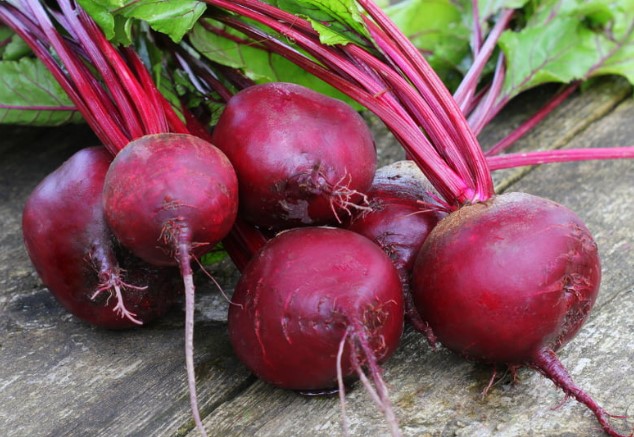
Beetroot has been cultivated in Britain for centuries, originally as a medicinal plant rather than food. Grown primarily in fertile soils of eastern England, especially Norfolk and Lincolnshire, this earthy root is now a common addition to salads, smoothies, and even cakes. Its deep red colour comes from betalains—antioxidants that help combat inflammation and support cell health. Despite its simple appearance, beetroot contains powerful nutrients with multiple hidden advantages.
One of beetroot’s most studied benefits relates to blood pressure. Rich in dietary nitrates, it promotes the production of nitric oxide, which helps dilate blood vessels and improve circulation. Regular consumption of beetroot can naturally lower high blood pressure. Athletes in the UK often use beetroot juice before workouts for this reason. Enhanced blood flow leads to improved endurance and reduced fatigue during physical activity.
In addition to heart health, beetroot supports brain function. Improved circulation boosts oxygen delivery to the brain, potentially enhancing cognitive performance. Older adults may benefit from adding beetroot to their diet to help maintain mental sharpness. The vegetable is also high in folate, a vitamin essential for red blood cell production and tissue growth. This makes it particularly beneficial during pregnancy or recovery periods.
Beetroot is also a good source of fibre, which aids digestion and promotes a feeling of fullness. It helps cleanse the liver, supporting the body’s natural detoxification process. This makes beetroot not only a nutritious food but also a natural body booster. Whether eaten raw, roasted, or juiced, beetroot adds vibrant colour and hidden health benefits to everyday meals.
3- Kefir

Kefir is a fermented milk drink with roots in the Caucasus Mountains, but it has steadily gained popularity across the UK. It has a tangy taste, slightly fizzy texture, and a long tradition of health-promoting properties. In Britain, kefir can now be found in supermarkets and health food stores, often made from cow’s, goat’s, or even plant-based milk. Its most remarkable quality is its high concentration of probiotics, which support gut health.
These live bacteria and yeasts help maintain a balanced digestive system. They enhance the gut microbiome, which in turn strengthens immunity and improves nutrient absorption. For people dealing with digestive discomfort, kefir can help restore gut harmony. Unlike some other probiotic foods, kefir contains a wider range of beneficial microbes, including Lactobacillus and Bifidobacteria. This diversity makes it especially effective in supporting overall digestion.
Additionally, kefir is rich in calcium, protein, and B vitamins, all of which are essential for energy, bone strength, and brain function. It also contains tryptophan, an amino acid that promotes better sleep and emotional well-being. As a fermented food, kefir is also easier to digest than regular milk. Even people with lactose intolerance may find they can tolerate kefir without issues, thanks to the presence of lactase-producing bacteria.
Kefir is incredibly versatile. It can be used in smoothies, salad dressings, or consumed plain as a light snack. Many Britons now turn to kefir as a natural way to enhance both digestion and immunity. Though not traditionally part of the British diet, it has firmly secured a place among the UK’s favourite foods with hidden benefits.
4- Watercress

Watercress is a peppery leafy green native to the UK, especially abundant in Hampshire’s natural spring waters. It was once considered a poor man’s food, but has been rediscovered as a nutritional powerhouse. While it may look delicate, watercress contains more vitamin C than oranges and more calcium than milk. This tiny leaf packs a serious nutritional punch.
In recent years, watercress has earned its place among superfoods. It contains high levels of antioxidants like lutein and beta-carotene, which protect the body from cellular damage. These compounds help reduce inflammation and fight oxidative stress. Its nutrient density supports skin health, strengthens bones, and even contributes to vision preservation. Unlike many other greens, watercress is also rich in iodine, important for thyroid health.
Watercress has a long-standing history in traditional British diets. It was used in sandwiches, soups, and teas for its cleansing properties. It stimulates digestion and may help prevent certain chronic illnesses. Adding watercress to meals is a simple way to improve the body’s detoxification process. Because it’s so low in calories, it also fits perfectly into weight management plans.
Beyond its nutrients, watercress has a refreshing taste that pairs well with a variety of dishes. It adds a peppery kick to salads, omelettes, and sandwiches. For those seeking a natural source of vitamins, watercress offers a convenient and tasty solution. Despite being widely available and inexpensive, it remains one of the most overlooked foods with hidden health benefits in the UK.
5- Seaweed
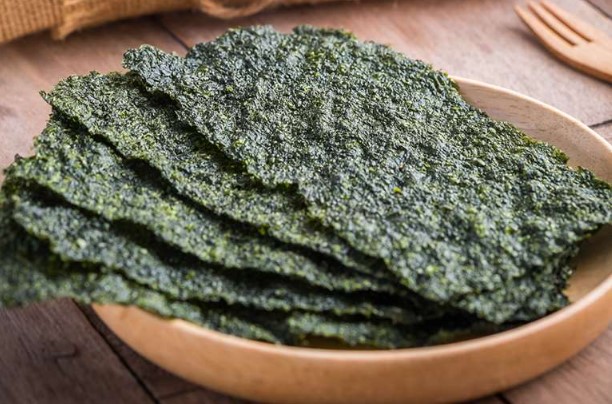
Seaweed, often associated with Asian cuisine, has a rich history in coastal Britain. Harvested along the shores of Wales, Scotland, and Cornwall, it has been eaten here for centuries. From laverbread in Wales to dulse in Northern Ireland, seaweed is deeply rooted in regional traditions. Though often underestimated, seaweed offers a treasure trove of nutrients.
One of its key benefits is its high iodine content. Iodine is essential for proper thyroid function, which regulates metabolism and energy levels. A lack of iodine can lead to fatigue and hormonal imbalances, making seaweed an important dietary addition. Unlike iodised salt, seaweed provides this mineral naturally, along with other important nutrients like calcium, iron, and magnesium.
Seaweed also contains fucoidan and other compounds believed to support immune function and reduce inflammation. Some types have been studied for their potential to lower cholesterol and support heart health. Its fibre content helps improve digestion and encourages a healthy gut microbiome. Despite being low in calories, seaweed is incredibly filling and satisfying when added to meals.
In the UK, seaweed is making a comeback in modern cuisine. It appears in snacks, soups, and even as seasoning for rice and vegetables. British chefs are now embracing seaweed for its umami flavour and nutritional value. As one of the most sustainable crops on the planet, it’s not only good for health but also for the environment. Seaweed is a remarkable example of a traditional British food with hidden, science-backed benefits.
6- Cauliflower
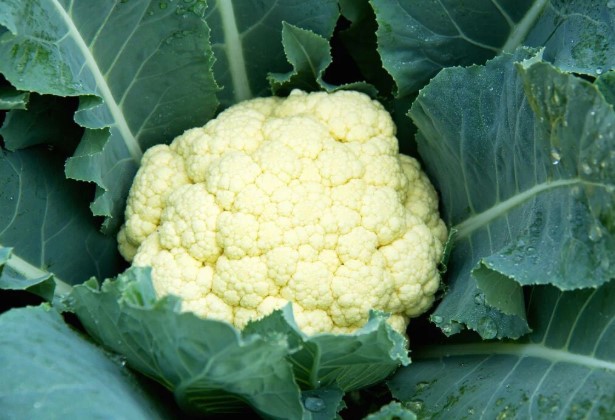
Once viewed as a bland side dish, cauliflower is now celebrated in British cooking for its adaptability and health value. Grown across the UK—from Lincolnshire to Cornwall—it thrives in cool climates and has been part of the British diet for centuries. It’s now a favourite in both traditional and modern plant-based recipes.
Cauliflower is surprisingly dense in nutrients. While low in carbohydrates, it contains a significant amount of choline, a compound crucial for brain development, liver health, and cognitive performance. Choline is often overshadowed by more famous nutrients, but it plays a vital role in maintaining memory and reducing inflammation in the brain.
Beyond choline, cauliflower is rich in vitamin C, vitamin K, and antioxidants. These compounds work together to support immunity, blood clotting, and cell repair. It also contains glucosinolates, natural compounds linked to cancer protection. These become more active when the vegetable is chopped or chewed. This chemical defence system helps the body eliminate toxins more efficiently.
Cauliflower has become a low-carb staple, replacing rice, flour, and even pizza bases. Its mild flavour makes it suitable for soups, purées, and roasting. Its real advantage lies in its ability to nourish the brain and liver without adding excess calories or sugar. Among foods with hidden benefits in the UK, cauliflower proves that nutritional power doesn’t always come in colourful packages—it can be pale, humble, and quietly impressive. You can find it at many brunch restaurants.
7- Chickpeas
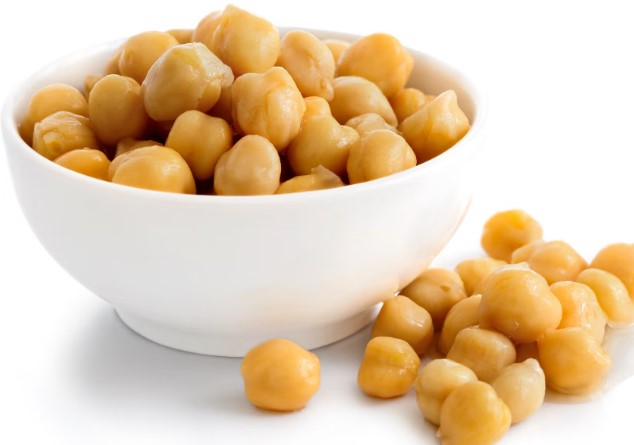
Chickpeas, though originally from the Middle East, have become a cupboard essential in British kitchens. Available both dried and tinned, they feature in curries, stews, salads, and even baked goods. Their neutral taste and creamy texture make them a versatile ingredient, well-suited to a range of culinary traditions now popular across the UK.
From a nutritional standpoint, chickpeas are a powerhouse. They are rich in plant-based protein and dietary fibre, which together support satiety and stable blood sugar levels. These two components also help regulate appetite, making chickpeas beneficial for weight control and energy balance. Additionally, their slow-digesting carbohydrates reduce spikes in glucose, promoting sustained focus and mood.
Their fibre content also contributes to digestive health. Soluble fibre in chickpeas helps lower cholesterol and fosters a healthy gut microbiome. This is crucial for immune function and long-term health. Moreover, chickpeas are packed with folate, iron, and magnesium—nutrients often lacking in modern diets. These help maintain red blood cells, support nerve function, and reduce fatigue.
Beyond traditional uses like hummus or chana masala, chickpeas now feature in baked snacks, pasta, and even desserts. Roasted chickpeas, for example, make a nutritious alternative to crisps. They embody the kind of everyday food that hides significant health value. As one of the key foods with hidden benefits in the UK, chickpeas offer both culinary versatility and unmatched nutritional balance.
8- Jerusalem Artichokes

Despite the name, Jerusalem artichokes have no connection to Jerusalem and aren’t true artichokes. They belong to the sunflower family and are native to North America. In the UK, they thrive in autumn gardens and are gaining popularity in farm shops and, for example, in some vegetarian restaurants. Their appearance—gnarled and knobbly—often discourages home cooks, yet they are remarkably nutritious.
These tubers are high in inulin, a soluble fibre with powerful prebiotic properties. Inulin feeds beneficial gut bacteria, which in turn help improve digestion and nutrient absorption. Unlike other fibres, inulin resists digestion in the small intestine and reaches the colon intact. This promotes a balanced microbiome and may reduce bloating, constipation, and other digestive issues.
Interestingly, Jerusalem artichokes also support stable blood sugar levels. Inulin does not raise blood glucose, making these tubers a suitable option for those managing insulin sensitivity. Additionally, they provide potassium and iron, important for energy and circulation. Their low glycaemic index means they offer slow-release energy, helping to prevent energy crashes after meals.
Cooking them is easy and rewarding. Roasted, mashed, or turned into soups, Jerusalem artichokes have a nutty, slightly sweet flavour. They pair well with garlic, lemon, and thyme. Despite their humble look, they deliver significant gut and metabolic benefits. Among foods with hidden benefits in the UK, they remain one of the most underappreciated yet impactful choices for digestive wellbeing.
9- Marmite

Born in the early 20th century, Marmite is a distinctively British spread made from yeast extract. Its divisive flavour—salty, savoury, and slightly bitter—has sparked debate for generations. Originating from brewing by-products, it was developed as a concentrated source of B vitamins. Over time, it earned its place on UK breakfast tables and even became a staple in army rations during World War I.
What makes Marmite exceptional is its nutritional profile. It’s an abundant source of B vitamins, including B1 (thiamine), B2 (riboflavin), B3 (niacin), and B12. These nutrients play a key role in brain function, energy production, and the nervous system. Most notably, folic acid in Marmite supports mental clarity and helps combat fatigue. Few everyday condiments offer such cognitive and metabolic support with just a small serving.
Another overlooked benefit is its potential to support mood and concentration. Studies suggest that vitamin B12 and folic acid are linked to reduced anxiety and improved memory. Marmite’s unique composition makes it more than just a toast topper—it could also help balance mood and sharpen focus. In an era where mental wellbeing is prioritised, such functional foods gain new relevance.
You can enjoy Marmite in various ways beyond the traditional buttered toast. It adds umami depth to stews, marinades, and even roast potatoes. Its strong taste might not appeal to everyone, but its health value is difficult to dismiss. For those seeking foods with hidden benefits in the UK, Marmite stands out as a surprisingly powerful pantry item with mental and metabolic advantages.
10- Blackcurrants
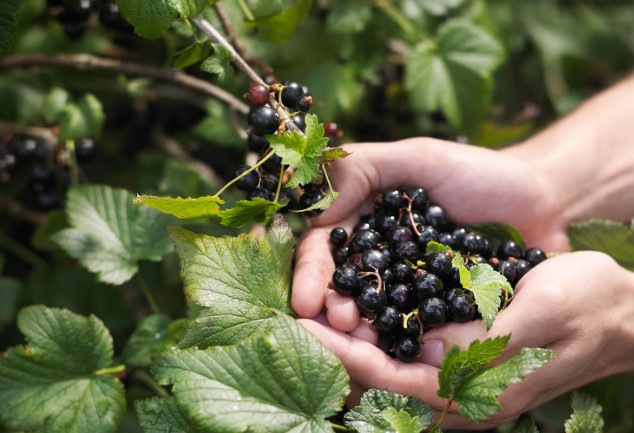
Often overlooked beyond jams and juices, blackcurrants have a deep history rooted in the British countryside. These dark purple berries are grown widely in the UK, particularly in Scotland and parts of the South East. Farmers once relied on them during World War II when citrus imports dropped, making blackcurrants the nation’s main source of vitamin C. Despite their tart flavour, they remain popular in herbal remedies and seasonal bakes.
Rich in anthocyanins, blackcurrants stand out as one of the most potent berries for heart and eye health. These natural plant pigments not only give blackcurrants their intense colour but also act as antioxidants. Regular consumption may improve blood flow, reduce inflammation, and support capillary strength. This makes them beneficial for cardiovascular health and vision. Unlike many sweet fruits, they offer these benefits without causing sugar spikes.
Beyond their impact on the heart and eyes, blackcurrants contribute to immune function and resilience against infections. Their high vitamin C content supports the body’s defence system and reduces oxidative stress. This can help prevent fatigue, especially during colder months. Moreover, the berries contain iron and vitamin E, further enhancing their nutritional value. These nutrients help maintain energy and protect cells from damage.
Incorporating blackcurrants into your diet isn’t difficult. You can enjoy them dried, stewed, or blended into smoothies. They also feature in syrups, sauces, and even savoury glazes. What sets them apart is their ability to support multiple systems—circulatory, immune, and visual—simultaneously. While often relegated to flavouring, blackcurrants deserve recognition as one of the top foods with hidden benefits in the UK.
Faq’s
What are foods with hidden benefits in the UK?
Foods with hidden benefits in the UK are everyday items that offer more than just basic nutrition. These foods are packed with natural compounds that support overall well-being. They may help improve digestion, boost energy, or even strengthen the immune system. Many people consume them regularly without realising their full potential.
Why should I include nutrient-rich hidden foods in my diet?
Incorporating nutrient-packed hidden foods into your diet can significantly enhance your health. These items are often rich in antioxidants, vitamins, and minerals that may aid in preventing illness and supporting long-term vitality. By making informed choices, you can enjoy flavourful meals while unknowingly improving your body’s resilience.
Are there any risks in consuming foods with surprising health properties?
Most foods with surprising health properties are safe when consumed in moderation. However, like any food, excessive intake or combining them with certain medications could lead to unwanted effects. It’s always wise to research or consult a health professional before dramatically changing your eating habits, especially if you have specific health conditions.
How can I identify ingredients with unexpected nutritional value?
To spot ingredients with unexpected nutritional value, start by learning about lesser-known vitamins and phytochemicals. Often, colour, texture, or taste can hint at a food’s underlying qualities. Reading nutritional labels and staying updated with reputable health information can also help you make better choices in your daily meals.
Do these beneficial foods really make a difference over time?
Yes, regularly consuming foods with hidden benefits in the UK can make a noticeable difference over time. While the effects may not be immediate, consistent intake supports the body’s natural processes. Many people report feeling more energised, having better skin, and experiencing improved digestion after adopting such foods into their lifestyle.