
UK Confectionery Specialities have long captured the hearts and taste buds of sweet lovers everywhere. From rich, creamy treats to crisp, sugary delights, these traditional sweets offer a unique glimpse into the country’s culinary heritage. Over the years, people have celebrated UK dessert specialities for their distinctive flavours and textures, making them a beloved part of British culture. Whether enjoyed as a quick indulgence or shared during special occasions, these confections continue to bring joy and nostalgia.
Moreover, UK confectionery specialities showcase a wide variety of ingredients and craftsmanship. Skilled makers use time-honoured methods to create sweets that balance sweetness with subtle hints of spice, fruit, or caramel. As tastes evolve, these treats have adapted while maintaining their authentic charm. Enthusiasts often seek out these delights to experience the rich history and innovation found within UK confectionery delights, proving their lasting appeal.
Best UK confectionery specialities
Traditional sweets represent more than just flavours; they embody the essence of British culinary tradition. Many of these UK confectionery specialities combine simple ingredients with expert techniques to produce unforgettable treats. These sweets often feature ingredients like sugar, golden syrup, and natural flavourings, which work together to create both classic and modern tastes. Additionally, the textures range from chewy to crunchy, appealing to a wide range of preferences.
Furthermore, these confectionery delights continue to influence modern sweet-making, inspiring creativity and variety. Today’s confectioners often draw upon the heritage of UK confectionery delights to invent new recipes and flavour combinations. This fusion of tradition and innovation ensures that these sweets remain relevant and popular. As a result, lovers of sugary treats can enjoy both the familiar and the novel within the world of British inventions in confectionery.
1- Fudge
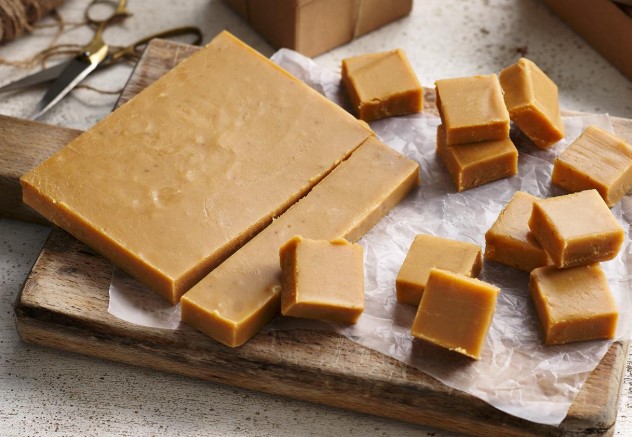
Fudge is a classic UK confectionery speciality known for its rich and creamy texture. It is traditionally made from sugar, butter, and milk, which are gently cooked and stirred to create a smooth, soft treat. The texture of fudge is delightfully chewy, making it a favourite sweet enjoyed by many across Britain. Often, fudge is flavoured with vanilla, chocolate, or nuts, giving it a variety of delicious twists that suit different tastes. Its rich consistency distinguishes it from other sweets, making it instantly recognisable.
This sweet treat has roots that trace back to the late 19th century in Britain and quickly became popular in seaside resorts and market towns. People would buy fudge as a souvenir or to enjoy during outings. The making of fudge requires careful timing and technique, as slight changes in temperature can affect its texture. This precision in preparation has made fudge a skilful confection to master, with many family recipes passed down through generations.
Fudge’s popularity remains strong today, especially in tourist areas known for traditional British sweets. The regional variations add to the appeal, with some places adding local ingredients such as clotted cream or caramel swirls. Because of its soft, melt-in-the-mouth nature, fudge offers a comforting sweetness that many associate with British nostalgia. Its ability to balance creamy richness and sweetness makes it distinct among UK confectionery specialities.
In contemporary times, fudge is often sold in artisanal shops and markets, catering to those who seek authentic British sweets. It is also a popular gift during holidays and festive seasons. With its smooth texture and wide range of flavours, fudge continues to charm both locals and visitors who want to experience genuine UK candy specialities.
2- Treacle Toffee
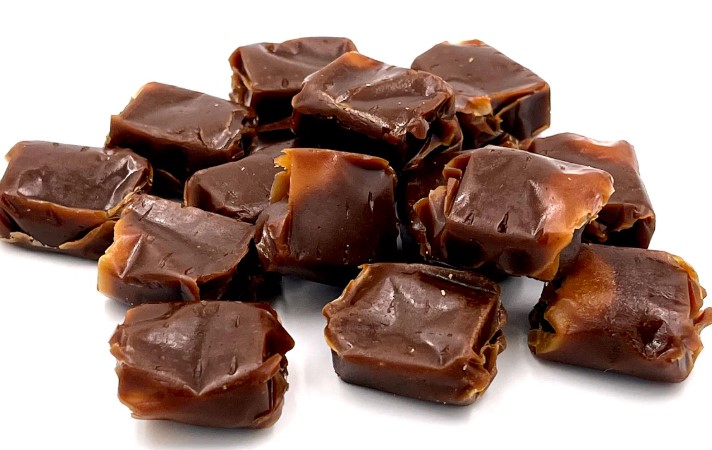
Treacle toffee is a traditional hard sweet that has long been cherished in the UK, particularly in Northern England and the Midlands. This confection is made using golden syrup or treacle, giving it a distinctive deep amber colour and a rich caramelised flavour. Its hard, brittle texture offers a satisfying crunch that contrasts sharply with softer sweets. Treacle toffee is often enjoyed by those who appreciate intense, robust flavours and a more substantial bite.
Originating from the industrial towns of Yorkshire and Lancashire, treacle toffee was historically popular among workers who needed a sweet, energy-boosting treat. The recipe is simple yet precise, relying on the careful boiling of syrup to the correct temperature to achieve the perfect brittle texture. If cooked too long, the toffee can become too hard; too short, and it remains chewy. This balance is what defines a quality piece of treacle toffee.
Treacle toffee’s flavour profile sets it apart from other confectionery specialities UK. The use of golden syrup or treacle gives it a slightly smoky and bittersweet taste that lingers on the palate. This intense taste makes it a nostalgic favourite for many Britons who grew up enjoying it during childhood. Additionally, its traditional preparation and distinctive taste have made it a staple at local fairs and sweet shops.
In recent years, treacle toffee has experienced a resurgence, appreciated by those interested in classic British sweets. It is commonly found at markets and vintage confectionery stores. Its crunchy, caramel flavour serves as a reminder of simpler times and the rich heritage of UK candy delights. The straightforward yet bold taste of treacle toffee continues to captivate sweet lovers nationwide.
3- Clotted Cream Fudge
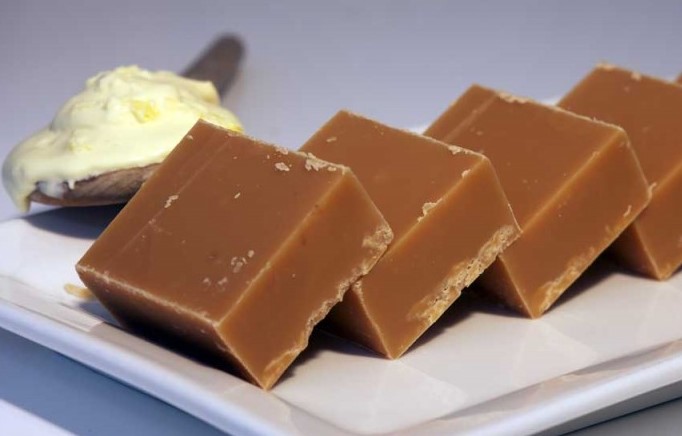
Clotted cream fudge is a unique UK confectionery speciality originating from the West Country, especially Devon and Cornwall. It combines the rich, buttery flavour of traditional fudge with the indulgent creaminess of clotted cream, a prized local dairy product. This fudge boasts an exceptionally smooth texture and a luxurious mouthfeel that sets it apart from regular fudge. The use of clotted cream adds a distinctively rich, silky taste that reflects the region’s strong dairy heritage.
The history of clotted cream fudge is intertwined with the farming traditions of the West Country, where clotted cream has been produced for centuries. This fudge showcases the best of local ingredients, with the clotted cream lending a velvety softness that enhances the sweet, buttery fudge base. The result is a sweet that melts on the tongue with a rich, creamy flavour reminiscent of freshly churned butter. This regional speciality is a beloved treat for both locals and visitors.
In addition to its creamy texture, clotted cream fudge often features subtle vanilla undertones that complement the dairy richness. It is traditionally hand-crafted by skilled sweet makers in small batches to preserve its delicate consistency. Because of its origin and recipe, clotted cream fudge is considered a premium sweet, often gifted or purchased as a luxury souvenir. Its association with the West Country’s culinary identity makes it an important part of UK sugary delicacies.
Today, clotted cream fudge continues to enjoy popularity beyond its home region, appreciated for its authentic taste and artisan quality. It is commonly found in delicatessens and specialist sweet shops throughout the UK. Its combination of creamy dairy richness and traditional fudge sweetness offers a truly indulgent experience for those exploring British sweets.
4- Pear Drops
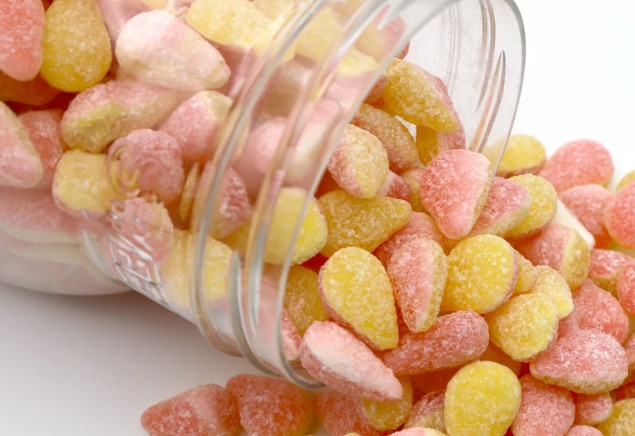
Pear drops are an iconic old-fashioned boiled sweet in the UK, instantly recognisable by their distinct fruity flavour that mimics ripe pears. They have a bright yellow and pink appearance and a hard, crunchy texture that many associate with childhood nostalgia. Their slightly tangy yet sweet taste makes them a refreshing alternative to more traditional sugary sweets. Pear drops have been enjoyed for over a century, representing a classic choice among UK confectionery specialities.
These sweets first became popular in the Victorian era, during which boiled sweets gained widespread appeal due to advances in sugar refining. The pear drop’s unique flavour is created using a blend of natural and artificial pear essences, resulting in a delicate balance of fruity sweetness with a hint of tartness. The hard, glassy texture is achieved through careful boiling and cooling of sugar syrups, giving the sweet its characteristic snap. This makes pear drops a long-lasting treat that slowly dissolves in the mouth.
Pear drops remain a nostalgic favourite, often found in traditional sweet shops and at fairs. Their colourful look and refreshing taste appeal to all ages. They also serve as an example of how UK sweet confections preserve old recipes and flavours that have stood the test of time. Pear drops represent the simplicity and charm of British boiled sweets with a distinctive fruity twist.
Today, pear drops are enjoyed both as a casual treat and a collectable sweet for enthusiasts. They highlight the heritage of UK dessert treats through their flavour and enduring popularity. Their unique pear flavour and crunchy texture continue to delight those seeking classic British sweets with character and history.
5- Liquorice Allsorts
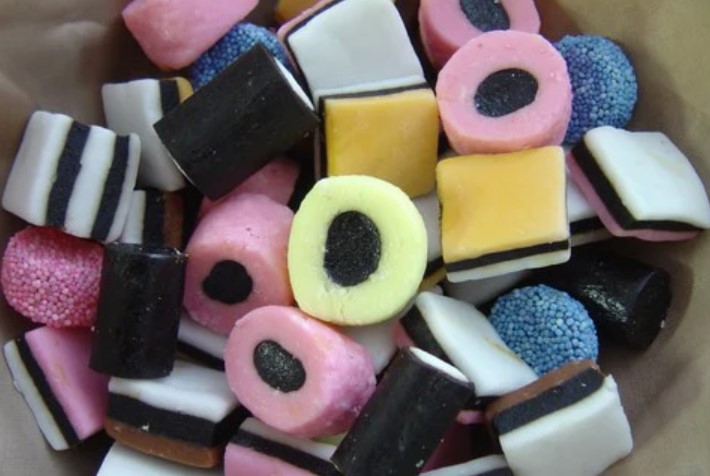
Liquorice Allsorts are a vibrant assortment of liquorice sweets that originated in the UK and have become a beloved confectionery speciality. This mix features various shapes, colours, and textures, including soft fondants, chewy liquorice, and crunchy coconut pieces. The colourful variety and combination of flavours make Liquorice Allsorts a unique treat in the realm of British sweets. Each piece offers a different sensory experience, from chewy to crumbly, enhancing the overall enjoyment.
The origin of Liquorice Allsorts dates back to the early 20th century in Sheffield, England. They were created to combine the strong, distinctive taste of liquorice with milder, sweeter elements to appeal to a broader audience. The layered construction of sweets, blending liquorice with coconut, sugar, and fondant, provides a complex flavour profile that balances bitterness with sweetness. This variety ensures that there is something in the mix for every palate.
Liquorice Allsorts continue to be popular throughout the UK, especially among those who enjoy traditional British confectionery. The assortment is visually appealing, with its bright colours and playful shapes adding to the sweet’s charm. This confection exemplifies the creative approach to sweets in Britain, combining contrasting textures and flavours in a single product. Their nostalgic appeal is strong, reminding many of childhood memories and classic sweet shops.
Today, Liquorice Allsorts remain a staple in British sweet collections and gift boxes. Their diversity of flavours and textures offers a unique experience that is hard to find elsewhere. They stand out among UK confectionery specialities as a colourful, varied, and historically rich sweet treat loved by generations.
6- Cinder Toffee (Honeycomb)
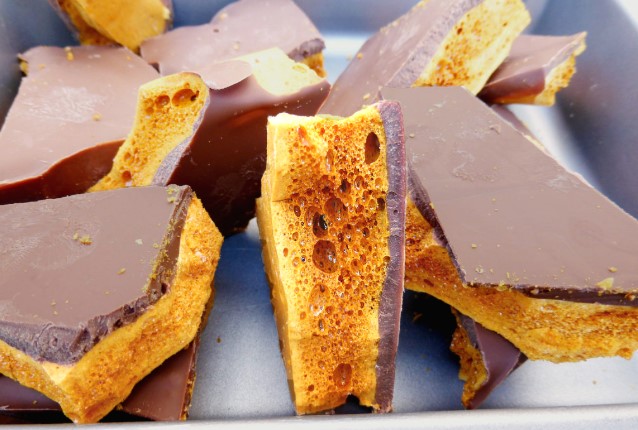
Cinder toffee, also known as honeycomb, is a classic British sweet known for its airy texture and deep golden colour. Made by heating sugar and golden syrup, then adding baking soda, it creates a bubbling reaction that gives the sweet its signature holes and crunchy structure. This aerated texture makes cinder toffee both light and crisp, offering a satisfying crack with every bite. It is often broken into chunks and coated in chocolate, which adds richness and contrast.
This traditional treat has long roots in UK confectionery, frequently made at home or sold in sweet shops across the country. In particular, it gained popularity in Northern England and Scotland, where it’s often enjoyed during fairs and festivals. Its preparation requires careful timing, as the sugar mixture must be heated to a high temperature before the soda is added for maximum effect. Once cooled, it forms a brittle, honey-coloured slab that shatters easily into golden shards.
Cinder toffee stands out among UK sweet treats for its dramatic appearance and texture. Its name, “cinder,” comes from its resemblance to cooled embers or coal, though the flavour is far from burnt. The addition of chocolate transforms this humble sweet into a more indulgent treat, marrying crunch and creaminess. Some varieties also include a slight hint of salt to enhance the caramelised flavour.
Today, this light and crunchy sweet remains a popular fixture in retro sweet shops and homemade gift boxes. Its simple ingredients and memorable crunch make it a staple among UK traditional confectionery. Its bubbly texture and toasty, caramelised taste offer a distinctively British sweet experience loved by all ages.
7- Aniseed Balls
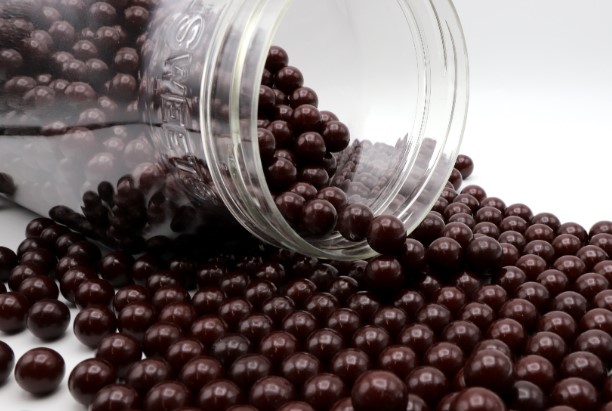
Aniseed balls are small, round boiled sweets with a strong, spicy-sweet flavour derived from aniseed oil. These deep red confections are known for their extremely hard texture, which makes them last a long time in the mouth. Their robust flavour and slow-dissolving nature make them a bold and enduring choice among traditional UK sweets. Popular for generations, they evoke strong memories of old-fashioned sweet shops.
This traditional sweet has a long history in Britain, particularly favoured in the Midlands and Northern England. It was often sold by weight in paper bags, and its intense taste meant one sweet could last several minutes. The flavour of aniseed, similar to liquorice, offers a spicy and herbal profile that is both warming and refreshing. This makes them a love-it-or-hate-it sweet, but those who enjoy them tend to be fiercely loyal.
Unlike many modern confections, aniseed balls have retained their classic formula and appearance. The hard, glossy exterior and unmistakable flavour ensure they stand out among other British confectionery classics. Each sweet is formed through a process of slow layering, where syrup is repeatedly applied and dried to create a perfectly round, solid sphere. This technique results in their rock-hard consistency, which has become part of their identity.
Though no longer as mainstream as other sweets, aniseed balls remain a nostalgic favourite and a symbol of traditional UK sweet-making. Their longevity and intense flavour keep them relevant in specialist sweet shops and among older generations. As a strong-flavoured staple in British confectionery heritage, aniseed balls continue to make a bold statement among UK confectionery specialities.
8- Sherbet Fountains
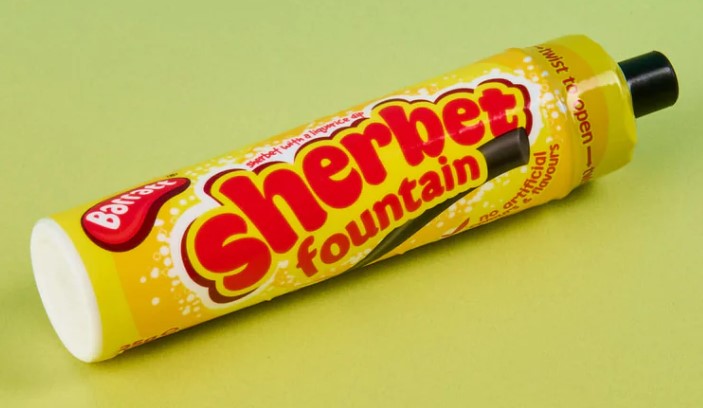
Sherbet fountains are one of the most iconic UK handmade sweets, combining fizzy sherbet powder with a stick of liquorice for dipping. This sweet offers a playful eating experience, as the liquorice stick is used like a straw to scoop and enjoy the tangy, effervescent powder inside. The unique mix of textures and flavours makes sherbet fountains a standout among traditional British sweets. They offer a fun, interactive element that appeals to children and nostalgic adults alike.
Originating in the early 20th century, sherbet fountains quickly became a popular treat across Britain. They were particularly beloved for the novelty of combining two contrasting flavours—sweet liquorice and tangy sherbet—in one treat. The powdered sherbet creates a tingling sensation on the tongue, while the liquorice offers a chewy contrast. This sweet often came in a paper tube, adding to its old-fashioned charm.
Sherbet fountains reflect a creative approach to sweet-making that defines many classic UK confections. They show how simple ingredients—sugar, bicarbonate of soda, and flavourings—can produce a surprisingly dynamic taste. The fizzy nature of sherbet, combined with the earthy taste of liquorice, creates a bold contrast not found in other UK sweets. This fusion of elements continues to captivate those looking for something playful and different.
Today, sherbet fountains still enjoy a loyal fan base and are often found in retro sweet shops. They serve as a reminder of the imaginative sweets from decades past. Their fun concept and zingy flavour help them remain a beloved example of traditional UK signature sweets that combine entertainment and taste in one unique package.
9- Black Jacks
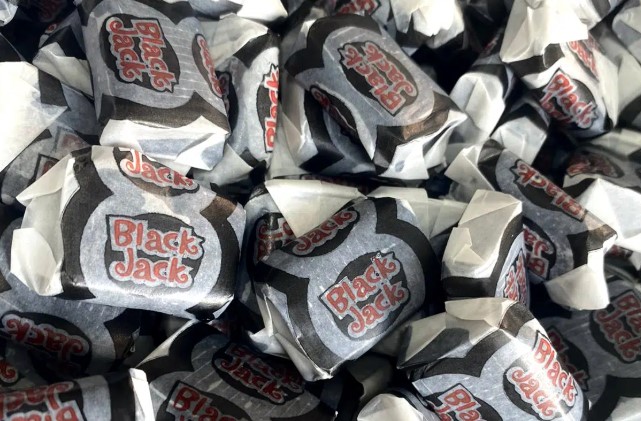
Black Jacks are chewy, liquorice-flavoured sweets that have stood the test of time in British sweet culture. Known for their bold flavour and soft texture, they deliver a slightly salty, slightly sweet experience that is truly distinctive. Their dark colour and unique taste have made them instantly recognisable among classic UK sweets. Unlike boiled sweets, Black Jacks are soft and chewy, making them a satisfying treat for those who enjoy liquorice.
These sweets first gained popularity in the mid-20th century and quickly became a staple in children’s pick-and-mix selections. Black Jacks were often seen as a “marmite” sweet—either you loved them or hated them—but they have maintained a dedicated following. The flavour profile leans more towards traditional liquorice, with subtle salty undertones and a lingering aftertaste. This sets them apart from other chewy confections.
Black Jacks also evoke a strong sense of nostalgia for many people across the UK. Their compact size and bold packaging made them a popular pocket treat for schoolchildren. Though their taste is intense, their chewiness makes them less overwhelming than harder liquorice sweets. They’re often enjoyed slowly, savoured for their unique blend of flavours that develop over time.
Despite modern shifts in sweet preferences, Black Jacks have remained firmly rooted in British confectionery culture. They continue to feature in traditional sweet shops and are often included in retro sweet assortments. Their chewy texture and strong, unmistakable flavour make Black Jacks a classic example of bold UK classic candies.
10- Treacle Tart Sweets
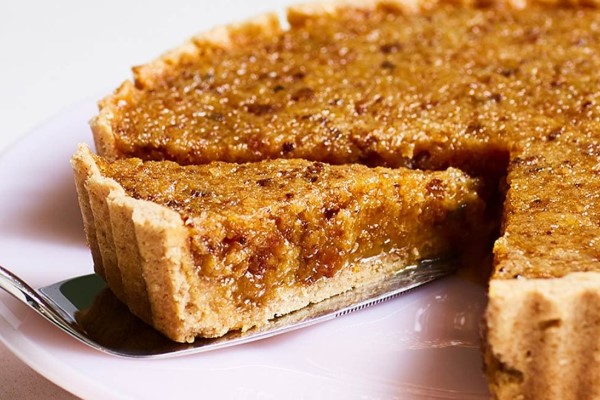
Treacle tart sweets are inspired by one of the UK’s most beloved desserts, transforming the classic pudding into a flavourful, chewy confection. These sweets capture the essence of golden syrup, breadcrumbs, and citrus zest, mimicking the taste of the original tart. The combination of syrupy sweetness and a hint of sharp lemon makes them truly distinctive among British sweet treats. Their flavour is comforting yet rich, evoking homemade puddings and family meals.
Originating as a way to reinterpret popular puddings into portable sweets, treacle tart sweets gained attention for their creative approach. They offer the sticky-sweet flavour associated with the tart, but in a form that can be enjoyed on the go. The sweets often have a soft texture with layers of caramel and subtle spice, offering a nuanced taste experience. This makes them appealing to those who enjoy depth in their confections.
Treacle tart itself hails from southern England and is considered a staple in British dessert culture. Its transformation into a sweet showcases the inventive nature of UK confectionery makers. By distilling the essence of the tart into a chewy sweet, these confections manage to deliver both sweetness and nostalgia. They highlight the influence of home baking on the UK’s wider sweet-making traditions.
Today, treacle tart sweets remain a lesser-known but much-loved entry in the world of British confectionery. They are especially popular among those who appreciate traditional puddings and creative flavours. With their syrupy depth and citrus hints, treacle tart sweets offer a rich and warming experience that perfectly reflects the charm of UK gourmet sweets.
Faq’s
What are traditional UK confectionery specialities?
UK confectionery specialities include a wide variety of sweets that have been enjoyed for generations. These treats often feature rich ingredients like treacle, liquorice, mint, and toffee. Many of them have historic origins and were once made in home kitchens using time-honoured methods. Today, they are still appreciated for their nostalgic value and distinctive textures, from chewy and sticky to crumbly and melt-in-the-mouth.
Why are British sweet treats so popular?
British sweet treats are celebrated for their diversity and unique flavours. From buttery fudge to fruit-studded cakes, these confections offer something for every palate. Their popularity also stems from their strong cultural ties and long-standing presence in British food traditions. Whether enjoyed during holidays or everyday tea time, these iconic desserts continue to bring comfort and joy across generations.
Are UK confectionery items typically handmade?
Many traditional British confections were originally handmade and still retain that artisanal quality today. Recipes are often passed down through families, maintaining their authenticity and rustic charm. While some sweets are now mass-produced, there remains a strong appreciation for handcrafted versions, especially those with unique textures or layered flavours that machines can’t easily replicate.
What ingredients define classic British sweets?
British sweet specialities often include a mix of natural and hearty ingredients such as butter, sugar, golden syrup, dried fruits, and spices. Nuts, oats, and cocoa also appear in many recipes, giving them a rich and satisfying taste. These ingredients are usually combined in simple but clever ways, creating treats that are indulgent without being overly processed.
How have British confectionery traditions changed over time?
Confectionery in the UK has evolved while preserving its roots. While traditional recipes remain beloved, modern versions now cater to a range of tastes and dietary needs, such as vegan or reduced-sugar options. However, the core appeal of these classic sweets—comfort, nostalgia, and distinctive flavour—remains unchanged, continuing to delight both locals and international visitors.