
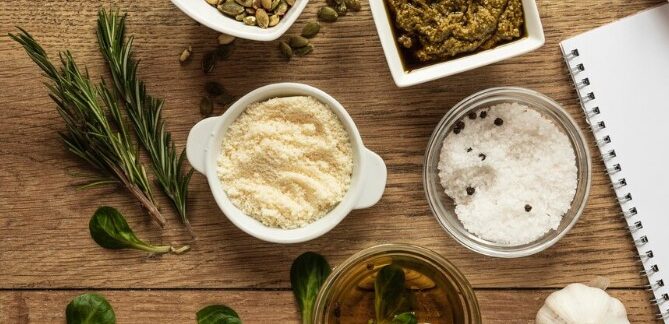
Natural ingredients in the UK have gained significant popularity due to their purity and effectiveness. Many people now prefer these natural ingredients for their health and wellness routines. They offer a gentle yet powerful alternative to synthetic products, often carrying rich histories of traditional use. From skincare to herbal remedies, natural ingredients continue to inspire sustainable and mindful living.
Moreover, natural ingredients in the UK are famous for their accessibility and versatility. They come from abundant, clean environments, which ensures their quality and potency. Consumers increasingly seek these natural ingredients in the UK to avoid harsh chemicals and to embrace products that support overall well-being. As a result, the demand for these natural components keeps growing steadily.
Best natural ingredients in the UK
When exploring the best natural ingredients in the UK, it is essential to consider both their benefits and origins. Many of these ingredients contain high levels of antioxidants, vitamins, and minerals, which support the body’s natural processes. Additionally, they tend to be eco-friendly, reflecting a broader movement towards sustainable consumption.
Furthermore, the best natural ingredients in the UK often demonstrate remarkable versatility across various uses. They can enhance beauty products, promote healthier hair, or boost the immune system when consumed. Importantly, these ingredients are generally free from synthetic additives, making them safer choices for sensitive skin and overall health.
1- Nettle
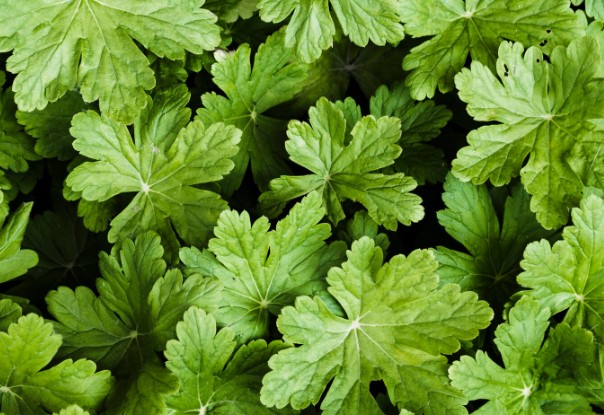
Nettle is a common plant found throughout the UK’s rural areas and woodland edges. It thrives in nutrient-rich soils, especially in temperate climates typical of the British Isles. This resilient herb is notable for its dense leaves covered with tiny stinging hairs, which release a sharp sting on contact. Despite this, nettle has been appreciated for centuries as a valuable natural ingredient in the UK for its many health benefits.
Rich in vitamins such as A, C, and K, nettle also contains essential minerals including iron and calcium. These nutrients make it a frequent choice in herbal infusions and supplements, particularly in teas that help support overall wellness. Its mineral content is often linked to its traditional use in strengthening the blood and improving energy levels.
Nettle’s role extends beyond ingestion. In skincare, nettle extracts are valued for their anti-inflammatory and detoxifying properties. They help soothe irritated skin and reduce redness, making nettle a popular component in natural cosmetic formulations. Moreover, its gentle astringent qualities aid in balancing oily skin and clearing minor blemishes.
Finally, nettle’s versatility is clear in how it integrates into British herbal tradition. It is often wild-harvested from clean countryside locations, where environmental purity ensures the quality of the ingredient. Nettle’s widespread availability and impressive nutrient profile secure its place among the most significant natural ingredients in the UK.
2- Heather
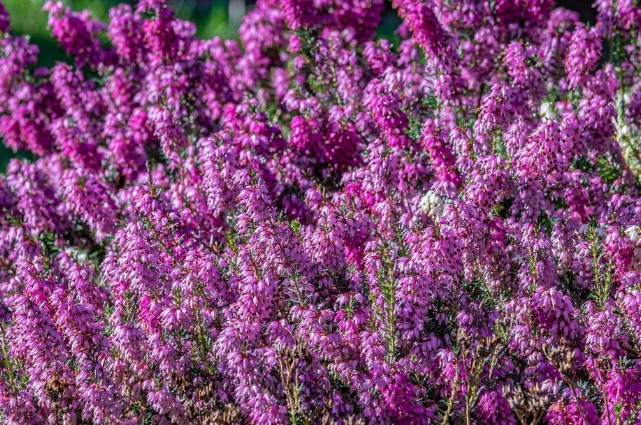
Heather is a shrubby native to the UK’s moorlands and heathlands, especially abundant in Scotland and northern England. It blooms in late summer, colouring vast landscapes with its distinctive purple-pink flowers. This hardy plant thrives in acidic, well-drained soils, contributing to the iconic British countryside scenery. Heather’s significance goes beyond its beauty, as it has a long-standing reputation for calming effects.
Heather’s flowers and leaves contain various antioxidants that protect cells from damage. Traditionally, these parts have been used in herbal remedies to soothe the skin and calm the mind. People often turn to heather infusions as natural relaxants or mild sedatives, benefiting from their gentle, restorative properties.
In natural skincare, heather extracts are prized for their ability to improve skin tone and texture. The plant’s compounds help reduce inflammation and promote healing, making it useful for sensitive or irritated skin types. Additionally, its antioxidant content supports the skin’s defence against environmental stressors.
Heather’s presence in the UK is closely tied to its wild habitats, where it grows unspoiled by human intervention. Its use in traditional British herbalism reflects a deep connection between the stunning natural places and natural health practices. This link ensures heather remains a valued botanical ingredient within the spectrum of natural ingredients in the UK.
3- Seaweed
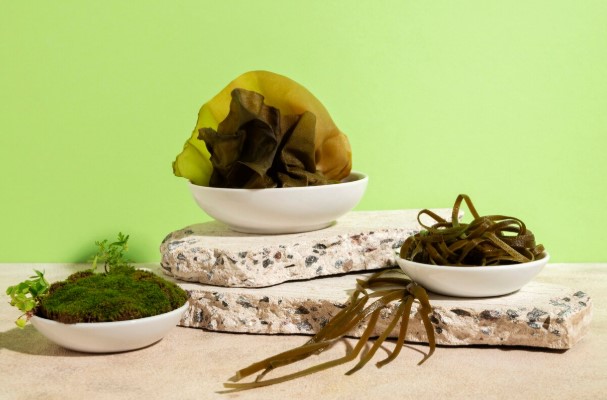
Seaweed grows abundantly along the UK’s extensive coastline, from the rocky shores of Cornwall to the northern Scottish Isles. It flourishes in cold, nutrient-rich waters where ocean currents deliver a steady supply of minerals. This marine plant is known for its exceptional content of vitamins, minerals, and amino acids. Seaweed’s unique composition has made it an important natural ingredient in the UK for centuries.
Packed with nutrients like iodine, magnesium, and vitamins A, C, and E, seaweed supports both internal health and external care. In traditional diets, coastal communities have relied on seaweed as a source of vital nutrients, especially when other food sources were scarce. Its versatility in culinary and medicinal uses is well documented.
In the realm of skincare, seaweed is celebrated for its hydrating and anti-ageing properties. It helps the skin retain moisture and combats signs of ageing through antioxidant action. Seaweed extracts can stimulate collagen production and soothe inflammation, making them a preferred ingredient in natural beauty products.
The sustainable harvesting of seaweed along the British coast supports local ecosystems while providing an abundant supply of this natural ingredient. Seaweed’s ecological and nutritional value highlights its importance as a cornerstone of natural ingredients in the UK.
4- Elderflower
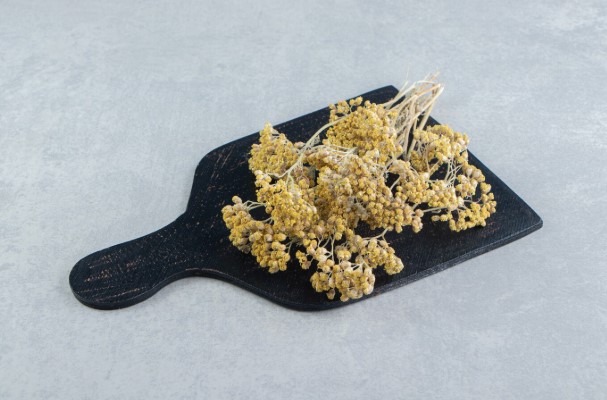
Elderflower grows wild across the UK, frequently found in hedgerows, woodlands, and gardens. The clusters of small, fragrant white flowers bloom in late spring and early summer. This delicate blossom holds a sweet scent and offers numerous health benefits, which people have valued since ancient times. Elderflower is an integral natural ingredient in the UK’s herbal traditions.
Elderflower contains antioxidants and anti-inflammatory compounds, which contribute to its medicinal use. It has often been brewed into teas or syrups to ease colds, soothe sore throats, and support the immune system. These properties make it a popular choice in natural remedies aimed at promoting respiratory health.
Cosmetically, elderflower extracts are valued for their gentle skin-soothing qualities. They help calm irritation and reduce redness, enhancing the complexion’s natural glow. Its light fragrance also makes elderflower a common addition to natural skincare and perfumery products.
Wild elderflower is sustainably gathered from the British countryside, ensuring that this ingredient remains fresh and potent. Its role in traditional health and beauty practices underlines elderflower’s status among the most treasured natural ingredients in the UK.
5- Hawthorn
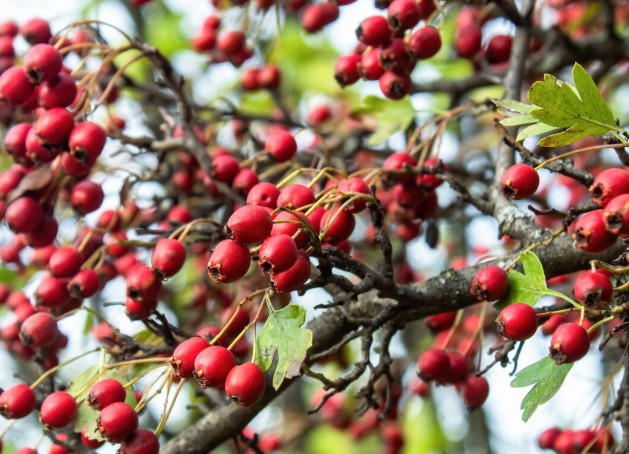
Hawthorn is a thorny shrub widely found across the UK, growing in hedgerows, woodlands, and open fields. It produces small white to pink blossoms in spring, followed by bright red berries in autumn. Hawthorn’s berries and leaves have been used in traditional medicine for centuries, especially to support heart health. This botanical plays a significant role in the natural ingredients of the UK.
Rich in flavonoids, hawthorn offers powerful antioxidant effects. These compounds help protect blood vessels and improve circulation, making hawthorn a common ingredient in herbal supplements. Its historical use also includes easing symptoms of mild heart conditions and promoting cardiovascular wellness.
In addition to internal benefits, Hawthorn’s antioxidants support skin health by protecting against free radical damage. Topical extracts are sometimes used in natural skincare to enhance skin firmness and vitality. The berry’s vibrant colour and nutrient density also attract interest from both nutritionists and herbalists.
Hawthorn’s presence in the British landscape is symbolic of traditional countryside life. It grows naturally in many parts of the UK, providing an accessible and sustainable source of this beneficial plant. Its widespread availability cements Hawthorn as a key player among natural ingredients in the UK.
6- Chamomile
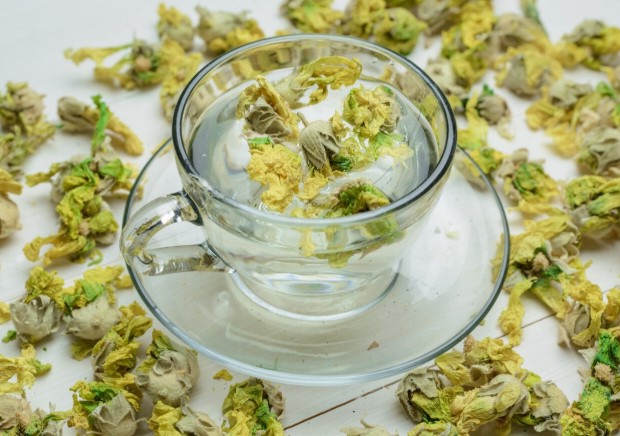
Chamomile is a delicate flowering plant commonly found in meadows and grasslands across the UK. It thrives in temperate climates and well-drained soils, flourishing particularly in southern regions. The daisy-like flowers are widely recognised for their soothing effects, making chamomile one of the most valued natural ingredients in the UK. Its gentle nature has made it a staple in herbal traditions for centuries.
Chamomile flowers contain several bioactive compounds, including flavonoids and essential oils, which contribute to their calming and anti-inflammatory properties. These qualities make chamomile a frequent ingredient in herbal teas designed to promote relaxation and alleviate stress. Its mild sedative effect is often used to improve sleep quality without causing drowsiness.
In skincare, chamomile extracts are used to soothe irritated or sensitive skin. The anti-inflammatory agents help reduce redness and calm inflammation, supporting skin healing and comfort. Chamomile is particularly beneficial in formulations aimed at delicate skin types, including those prone to eczema or redness.
Growing chamomile naturally in UK meadows ensures its freshness and purity. Its widespread presence across the countryside, combined with its versatile uses, secures chamomile’s reputation as a cherished natural ingredient in the UK.
7- Burdock Root
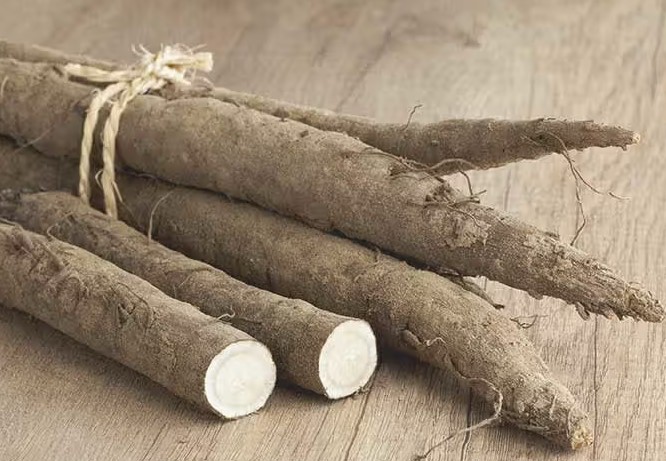
Burdock is a hardy root vegetable native to the UK, typically found growing in wild fields and disturbed soils. It prefers temperate climates and nutrient-rich earth, making many rural areas ideal for its growth. The large, dark root offers potent detoxifying properties and plays a key role in traditional British herbal medicine. People often harvest burdock root to take advantage of its health-supporting benefits.
This root is rich in antioxidants, inulin (a prebiotic fibre), and essential minerals, all contributing to its cleansing effects. Burdock root supports liver function and aids in eliminating toxins from the body, making it a common ingredient in natural remedies focused on internal purification. It is frequently used in teas, tinctures, and supplements.
In addition to its internal benefits, burdock root is also used in natural skincare. Its anti-inflammatory and antibacterial properties help treat acne and other skin conditions by cleansing the skin and reducing irritation. Burdock-based topical treatments can promote clearer, healthier skin without harsh chemicals.
Wild burdock harvested in the UK’s countryside remains a valuable part of the natural ingredients landscape. Its traditional role in health and skin care highlights burdock root’s importance among British herbal ingredients.
8- Rosehip
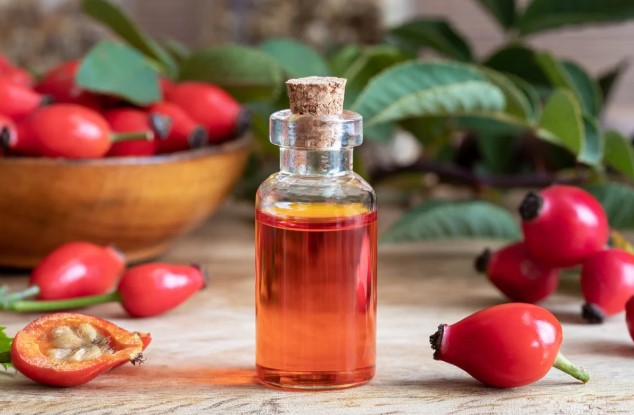
Rosehip is the fruit that grows on wild rose bushes scattered throughout the UK’s hedgerows and woodlands. It ripens in late summer and autumn, displaying a vibrant red-orange colour. Rosehips are especially prized for their rich vitamin C content and essential fatty acids, which contribute to their healing qualities. This makes rosehip a widely recognised natural ingredient in the UK.
The vitamin C in rosehip plays a crucial role in supporting the immune system and helping the body fight infections. It also promotes collagen production, which is essential for skin repair and maintaining elasticity. Due to these benefits, rosehip is often included in supplements and natural skincare products.
Rosehip oil, extracted from the seeds, is rich in antioxidants and fatty acids such as omega-3 and omega-6. These compounds nourish the skin, reduce scarring, and improve hydration, making rosehip a popular choice in anti-ageing formulations. It is gentle enough for sensitive skin while delivering effective restoration.
Wild rosehips harvested from the British countryside represent a sustainable and abundant natural resource. Their nutritional and cosmetic advantages contribute to rosehip’s standing as a key natural ingredient in the UK.
9- Lavender
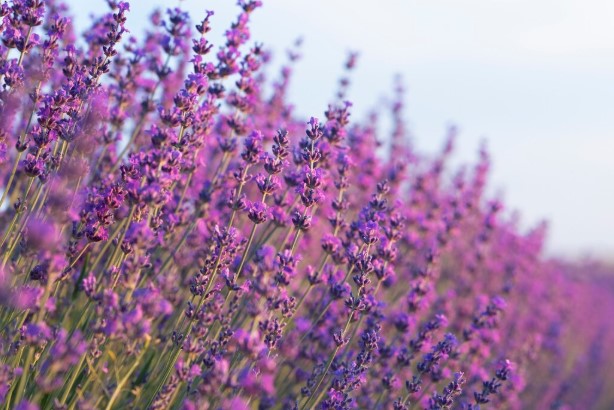
Lavender, while not originally native to the UK, grows successfully in many gardens and fields across the country. It prefers well-drained soils and full sun, conditions often met in southern England and other temperate regions. Lavender is widely famous for its calming fragrance and antibacterial properties, making it a popular botanical in British herbalism.
In skincare, lavender oil and extracts serve to cleanse and soothe the skin. They help reduce redness, combat bacterial growth, and support healing, making lavender a frequent ingredient in natural cosmetic products. Additionally, lavender’s fresh floral aroma enhances many herbal teas and bath blends.
Lavender’s cultivation in UK gardens contributes to its availability and quality as a natural ingredient. Its versatility and distinctive scent ensure lavender remains an important part of the UK’s botanical repertoire.
10- Marshmallow Root
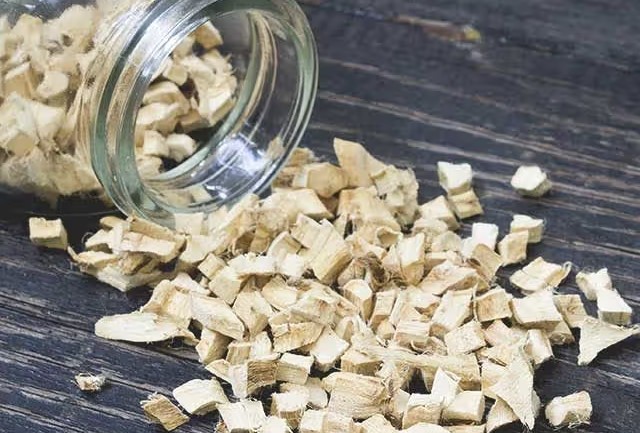
Marshmallow root grows in damp, marshy areas throughout the UK, often near rivers, lakes, or wet meadows. It prefers moist, rich soil and cooler climates, making many parts of Britain ideal for its growth. This herb is well-known for its mucilaginous content, which produces a soothing gel-like substance when soaked in water. Marshmallow root has long been a valuable natural ingredient in the UK’s herbal traditions.
The mucilage in marshmallow root coats and calms irritated tissues, so people often use it to ease throat discomfort and digestive inflammation. Its gentle emollient effect also makes it a popular choice in natural remedies aimed at soothing mucous membranes. People commonly consume it as teas, syrups, or tinctures.
Marshmallow root also has applications in skincare, where its hydrating and anti-inflammatory properties help calm dry or irritated skin. Topical preparations containing marshmallow root can soothe eczema, redness, and minor wounds. Its ability to lock in moisture supports skin barrier repair.
Wild-harvested marshmallow root from the UK ensures a natural and pure source for these benefits. The plant’s traditional medicinal use and distinctive mucilage content mark it as a notable natural ingredient in the UK.
Faq’s
What are some of the most popular natural ingredients in the UK?
Why do people prefer natural ingredients in the UK over synthetic alternatives?
How can I identify high-quality natural ingredients in UK products?
Are natural ingredients in the UK effective for skin and hair care?
Yes, many natural components widely used in the UK are highly effective for skin and hair care. They offer hydration, soothing effects, and antioxidant protection without harsh chemicals. Ingredients derived from plants can help maintain balance and promote healthy skin and hair by supporting natural processes rather than disrupting them.
What should I consider when using natural ingredients found in the UK?
When using natural ingredients in the UK, it is important to consider potential allergies or sensitivities, as some plant-based components can still cause reactions. Always perform a patch test before fully incorporating a new ingredient. Additionally, look for products that use ethically sourced and minimally processed natural elements to ensure you get the full benefits while supporting sustainable practices.