

Neonatologists in the UK play a vital role in safeguarding the health and development of newborns. These highly trained specialists care for premature babies, those born with low birth weights, or infants facing critical medical conditions. With advanced medical technologies and a deep understanding of neonatal care, neonatologists work tirelessly to support both babies and their families during challenging times. Many parents across the country seek their expertise to ensure the best possible outcomes in the early stages of life.
Moreover, neonatologists in the UK often collaborate with a multidisciplinary team of healthcare professionals. Paediatric nurses, respiratory therapists, and nutritionists frequently assist in providing round-the-clock support to newborns in intensive care. Thanks to the structured medical education system and continuous professional development, these specialists consistently meet high standards. As a result, families can rely on the care, precision, and dedication that neonatologists bring to each case.
Best Neonatologists in the UK
To identify the best neonatologists in the UK, one must consider several key factors beyond qualifications. Experience in complex neonatal cases, ongoing research contributions, and patient-centred approaches all distinguish top practitioners. These professionals handle a wide spectrum of medical challenges, offering not only life-saving interventions but also guidance and emotional support to families throughout the process. Their role goes beyond clinical care, often encompassing education and advocacy for improved neonatal health.
In addition, the best specialists continuously refine their skills through regular training and involvement in clinical studies. Their commitment to innovation and evidence-based practice helps them stay ahead in a constantly evolving field. As medical technology advances, these neonatologists adapt swiftly, integrating new techniques to enhance survival rates and long-term outcomes for infants. Therefore, their dedication and adaptability make them indispensable in delivering excellence in neonatal care across the UK.
1- Great Ormond Street Hospital for Children
Great Ormond Street Hospital stands as one of the most established centres for paediatric and newborn care in the UK. Its team of neonatal consultants offers extensive support for babies born with complex medical needs. These specialists treat a range of life-threatening conditions and provide long-term care for premature and critically ill infants. What sets this hospital apart is its dedicated neonatal intensive care unit, equipped to handle the most delicate cases.
The hospital’s neonatal team works closely with a range of experts, including paediatricians, paediatric surgeons, and geneticists. This multidisciplinary approach ensures each infant receives tailored treatment based on their specific diagnosis. The consultants also guide families through the care journey, offering clarity and compassion. Such close collaboration improves outcomes and strengthens trust between clinicians and families.
Another defining feature of this London-based centre is its participation in pioneering research. The neonatologists regularly contribute to advancements in neonatal science, helping improve clinical protocols across the UK. They also train junior doctors and lead academic projects on infant health. This research-driven mindset keeps their approach both modern and evidence-based.
Great Ormond Street’s neonatal services extend beyond the hospital. Consultants offer follow-up care and long-term monitoring for developmental progress. They coordinate with community healthcare providers to ease the transition from hospital to home. This continuity ensures that each baby’s journey receives close attention even after discharge.
2- The Portland Hospital
The Portland Hospital is a private healthcare facility known for its specialised neonatal services. Its consultant neonatologists manage routine and emergency care for newborns in a calm, family-friendly environment. The hospital is particularly experienced in supporting high-risk deliveries and postnatal complications. Its modern neonatal unit combines state-of-the-art equipment with round-the-clock monitoring.
Unlike many public units, The Portland offers highly personalised neonatal care. Consultants often work one-on-one with families from pregnancy through to postnatal recovery. This continuity builds confidence and ensures that each child’s needs remain central to every decision. Parents benefit from consistent communication and clearly defined care plans.
The neonatology team frequently treats babies born prematurely or with conditions requiring immediate intervention. Advanced respiratory support and feeding therapies form part of the core care model. The availability of 24/7 neonatal consultants allows a swift response to complications.
This hospital also focuses on emotional well-being. Specialist support staff are on hand to help parents cope with stress and uncertainty in early infancy. Midwives, lactation consultants, and psychologists contribute to the holistic care environment. Such comprehensive care makes The Portland a key choice for private neonatal support in the UK.
Web: https://www.hcahealthcare.co.uk/locations/hospitals/the-portland-hospital
3- Royal Hospital for Children & Young People

The Royal Hospital for Children and Young People in Edinburgh provides neonatal care with a focus on early intervention. Its neonatal unit supports both routine and emergency admissions, catering to babies born across Scotland. The hospital’s neonatologists work in one of the country’s most advanced paediatric environments.
This facility offers round-the-clock monitoring for infants with breathing difficulties, infections or birth-related trauma. A highly skilled team uses cutting-edge ventilators and monitoring systems to stabilise and treat newborns. Specialists prioritise rapid diagnosis and treatment to give each baby the best possible start.
The hospital takes pride in its patient-centred approach. Neonatal consultants involve families in decision-making and explain treatment steps clearly. There’s a strong emphasis on skin-to-skin contact and early bonding, even in intensive care settings. This attention to emotional needs helps ease the neonatal journey for both infants and parents.
Beyond immediate care, the neonatology team works closely with outpatient services. Follow-up clinics assess developmental progress and ensure ongoing medical support. By maintaining strong links with community teams, the hospital helps babies transition safely into home life.
Web: https://children.nhslothian.scot/the-rhcyp/
4- Dr Yiannis Ioannou
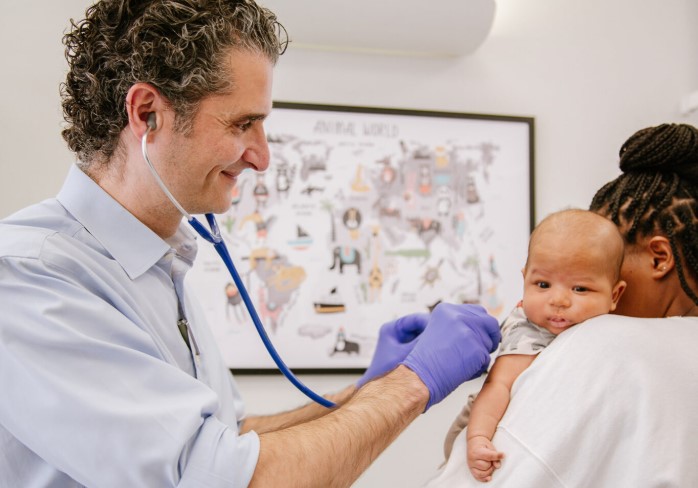
Dr Yiannis Ioannou is a London-based consultant neonatologist known for his family-oriented approach. With extensive NHS and private sector experience, he manages the care of newborns with both common and complex conditions. His work focuses on early assessment and supportive interventions tailored to each infant’s needs.
Dr Ioannou operates from several clinics, offering accessible support for families during the early weeks of life. He conducts thorough newborn checks, developmental reviews and postnatal assessments. Parents often seek his expertise when concerned about feeding, weight gain, or prolonged jaundice.
His care approach balances medical knowledge with a warm, approachable manner. He explains conditions clearly and offers evidence-based guidance on everything from reflux to respiratory distress. Families often highlight his ability to provide reassurance during difficult times.
Alongside clinical work, Dr Ioannou contributes to educational resources for new parents. He frequently appears in advisory roles on baby health, offering advice through various channels. This commitment to education supports not just babies, but the confidence of their caregivers.
Web: https://childhealthy.co.uk/team/dr-yiannis-ioannou/
5- Birmingham Children’s Hospital
Birmingham Children’s Hospital is a major referral centre for neonatal care in the Midlands. Its neonatologists manage a wide range of conditions, from congenital abnormalities to infection and respiratory failure. The hospital supports some of the most medically complex infants in the region.
This centre includes a dedicated neonatal surgical unit, where babies undergo critical procedures shortly after birth. Paediatric surgeons work hand-in-hand with the neonatal team to ensure safe outcomes. The hospital is recognised for its collaborative approach to newborn surgery.
Education also plays a major role here. The neonatology team trains paediatric staff across the UK and contributes to clinical trials on premature birth and early intervention. This ongoing research helps shape national policies on newborn health.
Parents are actively involved in every step of the care journey. The hospital provides accommodation and emotional support services so families can remain close to their babies. By integrating parental care into medical routines, the hospital promotes stronger bonds and improved outcomes.
Web: https://bwc.nhs.uk/birmingham-childrens-hospital
6- Belfast Health and Social Care Trust
Belfast Health and Social Care Trust operates one of the most comprehensive paediatric services in Northern Ireland. The Royal Belfast Hospital for Sick Children provides specialised neonatal care within a regional referral centre. Neonatologists in the UK who work in this Trust manage high-risk newborns with complex medical needs, often requiring round-the-clock monitoring and advanced life support. Their multidisciplinary approach focuses on stabilising infants in critical condition.
The neonatal team collaborates closely with maternal and fetal medicine specialists. This joint approach ensures continuity of care from before birth through to the postnatal period, reducing complications in high-risk deliveries. Premature babies, in particular, benefit from this early intervention. Clinicians use advanced imaging and diagnostic tools to guide treatment and predict outcomes.
Each consultant specialises in distinct aspects of newborn medicine, from congenital abnormalities to post-surgical recovery. Belfast neonatologists prioritise individualised care plans that adapt to each infant’s development, especially in long-term cases. The unit also monitors nutrition, growth, and neurodevelopment throughout hospitalisation, with structured follow-ups.
Research plays an important role in clinical decisions. Staff engage in ongoing studies involving neonatal respiratory distress, infections, and brain injury. Their commitment to innovation makes the Belfast team respected among neonatology professionals in the UK. Families benefit from both cutting-edge therapies and compassionate support throughout their child’s stay.
Web: https://belfasttrust.hscni.net/hospitals/childrens/
7- Great North Children’s Hospital

The neonatal service at Great North Children’s Hospital, based in Newcastle, provides high-level care for sick newborns across the North East. As one of the leading children’s hospitals in the country, its team of neonatal consultants manage critical care for babies with urgent medical issues. They frequently handle cases involving birth complications, congenital defects, and severe infections.
The neonatal unit integrates seamlessly with other paediatric departments, including cardiology and surgery. This integration allows neonatologists to coordinate advanced care pathways, especially for babies who require immediate surgical or cardiac support. Access to such subspecialties significantly improves recovery prospects for fragile newborns.
One distinctive feature of this hospital is its active use of family-centred care. Parents are encouraged to remain involved in the daily care of their babies, even during complex treatments. This inclusive approach supports emotional bonding and reduces parental stress. Neonatal nurses and consultants provide continuous guidance to families during their child’s hospital journey.
Academic excellence underpins the hospital’s neonatology service. Affiliated with Newcastle University, the unit takes part in neonatal research trials and teaching. Neonatologists in the UK regard this hospital as a centre of learning and clinical development, attracting professionals seeking specialised training. This blend of research, education, and clinical care sets the hospital apart.
Web: https://www.newcastle-hospitals.nhs.uk/hospitals/great-north-childrens-hospital/
8- Bristol Royal Hospital for Children
Bristol Royal Hospital for Children houses one of the South West’s most advanced neonatal services. The hospital’s Level 3 Neonatal Intensive Care Unit (NICU) manages complex neonatal conditions with state-of-the-art equipment. Premature infants, those with surgical needs, and babies born with genetic disorders all receive targeted care from a highly trained team.
The NICU works closely with regional maternity units, forming part of the South West Neonatal Network. This collaboration ensures that critically ill infants can be transferred quickly to Bristol for specialist intervention. The transport team operates 24/7 to stabilise and relocate newborns in urgent need. Parents are kept fully informed throughout this process.
Each neonatologist focuses on continuous monitoring, using real-time imaging and laboratory diagnostics to adapt treatment. Attention to small clinical changes enables early interventions and better long-term results. Multidisciplinary input from nutritionists, therapists, and pharmacists ensures that each child receives a holistic care plan tailored to their unique medical condition.
The hospital also prioritises training and innovation. It contributes to national research into hypoxic-ischaemic encephalopathy and neonatal pain management. By leading clinical trials, Bristol’s neonatology team helps to shape new standards in newborn care across the UK. Patients benefit from both clinical precision and progressive treatments during their hospital stay.
Web: https://www.uhbristol.nhs.uk/
9- Royal Aberdeen Children’s Hospital
Royal Aberdeen Children’s Hospital (RACH) delivers specialist newborn care for the North of Scotland. Its neonatal unit supports both intensive care and high-dependency needs, caring for infants born preterm or with complex conditions. The service forms part of a regional network, accepting referrals from other hospitals across Grampian and beyond.
Neonatologists at RACH often treat infants requiring ventilation, intravenous nutrition, and long-term monitoring. They excel in the management of complications arising from extreme prematurity and multiple births. Consultants maintain open communication with families, guiding them through each stage of treatment with clarity and empathy.
The hospital embraces developmental care, adjusting the environment to support neurological growth in vulnerable infants. This includes noise reduction, dimmed lighting, and positioning techniques that mimic the womb. Such practices support the babies’ long-term cognitive and physical outcomes. Close collaboration with paediatric physiotherapists strengthens recovery.
Education and research remain active at RACH. Staff frequently publish work related to neonatal jaundice, infection control, and non-invasive respiratory therapies. Their commitment to academic growth benefits both patients and peers across Scotland, who look to Aberdeen for training and clinical advice. This reputation reinforces the hospital’s role within the national neonatal network.
Web: https://www.rach.scot.nhs.uk/
10- Alder Hey Children’s Hospital
Alder Hey Children’s Hospital in Liverpool operates one of the UK’s busiest neonatal surgical units. It supports newborns with life-threatening conditions, especially those requiring immediate surgery after birth. Neonatal consultants collaborate closely with surgeons and anaesthetists to plan interventions from the earliest stages.
Babies often arrive at Alder Hey via emergency referral or planned delivery in high-risk pregnancies. Neonatologists here work within a broader team that includes geneticists, neurologists, and cardiologists. This integrated model ensures precise diagnosis and care tailored to the baby’s condition. Complex cases such as abdominal wall defects and congenital heart disease are common.
The hospital’s neonatal facilities include high-dependency rooms and surgical recovery beds. Parents are involved in decision-making and encouraged to remain near their infants during treatment. Emotional support services complement the medical care, helping families navigate difficult circumstances with professional guidance.
Alder Hey also plays a key role in research and data sharing across the UK. It hosts trials on neonatal outcomes and long-term follow-up after surgery. Neonatology professionals across the UK view Alder Hey as a reference point for excellence in complex infant care. This blend of expertise, innovation, and compassionate support defines its neonatal service.
Web: https://www.alderhey.nhs.uk/
Faq’s
What qualifications do the best neonatologists in the UK typically have?
The best neonatologists in the UK are usually highly trained medical professionals who have completed a medical degree followed by specialist training in paediatrics and neonatal medicine. They often undergo years of experience in neonatal intensive care units, dealing with a wide range of complex conditions in newborns. Many also pursue additional certifications or academic research in neonatal health to remain at the forefront of their field.
How do top neonatal specialists support premature babies?
Leading neonatal consultants provide advanced care tailored to the unique needs of premature infants. They monitor vital signs, manage breathing support, and ensure the baby receives the right nutrition and medications. These experts use specialised equipment and techniques to promote development and reduce complications. Their goal is to stabilise the infant’s condition and support long-term growth.
What conditions do expert neonatal doctors usually treat?
Neonatal physicians deal with a broad spectrum of conditions, from respiratory distress and birth trauma to congenital abnormalities and infections. Skilled newborn specialists are trained to respond quickly to medical emergencies and create care plans suited to each infant’s situation. Their expertise ensures the best possible outcome during the critical early stages of life.
Are neonatologists involved in follow-up care after hospital discharge?
Yes, many neonatal consultants continue to monitor a child’s development after discharge from the hospital. This follow-up care may include checking growth milestones, offering guidance on feeding, and identifying any signs of delayed development. Ongoing assessments help ensure the child is progressing well and receiving the necessary support during their early years.
How do families benefit from the expertise of neonatologists in the UK?
Families benefit greatly from the knowledge and experience of neonatologists in the UK, especially during stressful and uncertain times. These specialists offer not only medical treatment for newborns but also clear communication and emotional support for parents. By working closely with families, they help create a supportive environment that promotes both the baby’s and the family’s well-being.