
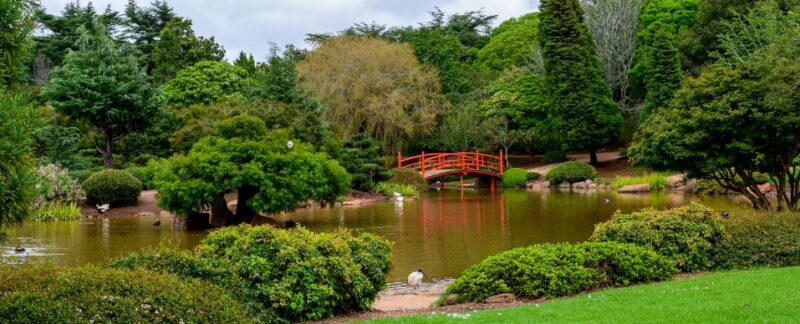
Garden lovers will find a rich mix of green spaces across the islands. From clipped hedges to wild meadows, these gardens in the UK offer calm and colour in every season. Paths lead past neat borders and tangled surprises. Small ponds, scented beds and quiet benches invite a slow pace. The tone is informal but informed, aimed at readers who want good tips without the fluff. Energetic planting schemes sit beside historic layouts, so there is always something new to spot on a return visit.
Walking through these gardens in the UK reveals more than pretty planting. The designs tell stories — of climate, craft and care — and they suit short visits or whole-day rambles. Many spots balance formal structure with relaxed, natural edges. That mix makes them friendly for families and gardeners alike. Practical details matter too: look for clear paths, handy facilities and places to sit. Overall, the best gardens combine thoughtful design with a lived-in, welcoming feel.
Best gardens in the UK
Visitors should expect a wide variety of styles and moods when exploring gardens in the UK. Some places prize architectural layouts, while others celebrate seasonal drama with bold flowerheads and sweeping grasses. Quiet corners hide rare plants and sculptural trees. Staff set out clear routes so visitors can follow a gentle narrative through the landscape. Interpretation boards and friendly volunteers help bring the planting schemes to life. Each garden offers different textures and scents, so wandering slowly rewards the curious eye.
For those who mix outdoor stays with garden visits, there are plenty of options that pair well with nearby camping and outdoor breaks. Many regions offer charming outdoor retreats, from simple fields to well-equipped sites that sit a short drive from green estates. These spots let visitors wake up within easy reach of formal lawns or wild glades. Booking ahead helps, especially in peak season, and campers often enjoy early-morning light in the gardens before crowds arrive. Campsites provide a relaxed base for a gardening-themed getaway.
1- Royal Botanic Gardens, Kew (London)
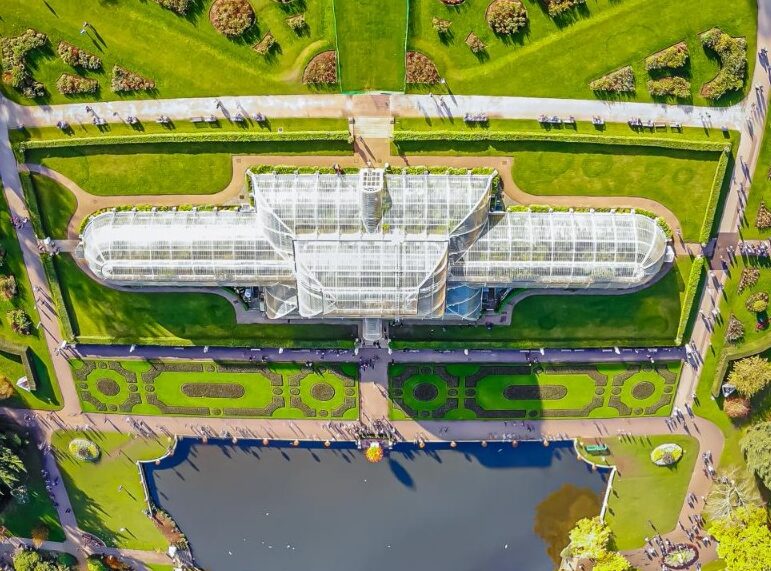
The Royal Botanic Gardens, Kew, is one of the most iconic botanical landmarks in the UK, offering a living library of plants from across the globe. Stretching over 300 acres, it combines historic architecture with diverse landscapes. Visitors can explore tropical rainforests inside the Palm House, wander through tranquil lakes, or admire exotic species in the Princess of Wales Conservatory. Every season transforms Kew into a new visual experience, from blooming cherry trees in spring to golden leaves in autumn. The gardens showcase nature’s diversity while promoting conservation and education.
Beyond its beauty, Kew is a centre of global botanical research. Scientists work to protect endangered plant species and preserve biodiversity. The Herbarium holds millions of specimens, serving as a vital resource for researchers worldwide. Visitors often find the Temperate House fascinating—it’s the largest Victorian glasshouse still standing. Inside, the delicate balance of rare plants tells the story of resilience and adaptation. Kew’s educational role makes it much more than a picturesque escape; it’s a hub of ecological knowledge.
The gardens also celebrate art and culture through exhibitions and installations that highlight the relationship between people and nature. Sculptures and seasonal art displays blend seamlessly into the landscape, enriching the visitor experience. The Treetop Walkway offers panoramic views above the canopy, giving a unique perspective of the vast grounds. Walking through Kew is both a visual and sensory journey, inviting moments of reflection and awe.
With its blend of history, science, and natural beauty, the Royal Botanic Gardens, Kew, remains a treasure among gardens in the UK. Its balance of heritage and innovation makes it a timeless sanctuary, attracting millions of visitors each year. Whether exploring ancient trees or modern exhibits, one always discovers something new at Kew.
Website: https://www.kew.org/
2- RHS Garden Wisley (Surrey)
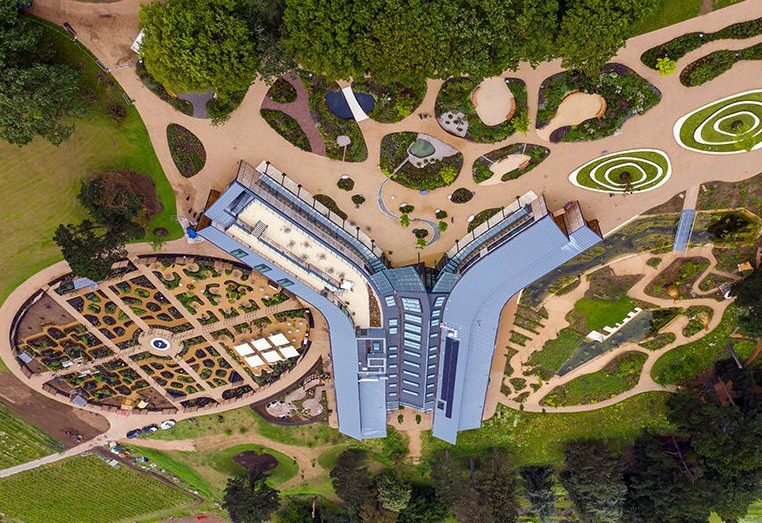
RHS Garden Wisley, located in Surrey, is a stunning example of horticultural excellence in the United Kingdom. As one of the flagship gardens of the Royal Horticultural Society, it spans over 240 acres filled with varied landscapes. The mix of formal designs and natural beauty creates an inspiring setting for plant lovers and casual visitors alike. Each corner of Wisley reveals a different story of colour, texture, and seasonal transformation. From the Glasshouse to the Rock Garden, every feature demonstrates precision and care.
Wisley is known for its educational mission, offering insights into sustainable gardening and plant science. The laboratory and trial gardens are where innovation thrives, testing thousands of plants for performance and resilience. Visitors can explore fruit fields, rose gardens, and alpine houses, each showcasing the versatility of British horticulture. The diversity of species and carefully curated displays encourage curiosity and creativity among gardening enthusiasts.
The Glasshouse, one of Wisley’s main highlights, shelters a tropical paradise within its vast structure. Inside, you can wander among palms, orchids, and exotic flowers from around the world. Its microclimates reveal the fascinating adaptability of plants, making it both a scientific and sensory experience. Outside, the Mixed Borders and Wild Garden celebrate natural harmony, blending cultivated and wild beauty seamlessly. Every area feels thoughtfully arranged yet refreshingly organic.
RHS Garden Wisley captures the essence of what makes gardens in the UK so special—variety, heritage, and innovation. It reflects centuries of gardening tradition while looking firmly to the future. Whether exploring its vibrant displays or learning from its horticultural research, visitors leave inspired. Wisley is not merely a showcase of plants; it is a living classroom, a sanctuary of knowledge, and a celebration of British gardening artistry.
Website: https://www.rhs.org.uk/gardens/wisley
3- The Lost Gardens of Heligan (Cornwall)
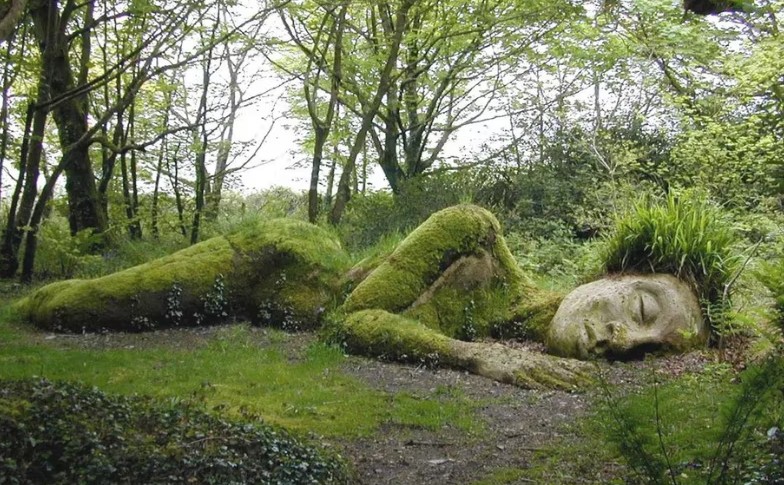
Hidden for decades beneath overgrowth, The Lost Gardens of Heligan tell a story of rediscovery and renewal. Located in Cornwall, this vast estate once belonged to the Tremayne family and was lovingly restored in the 1990s after years of neglect. Today, Heligan spans over 200 acres of enchanting landscapes, blending ornamental gardens, woodland walks, and working farmland. Visitors wander through a world that feels both timeless and alive, with every path leading to a piece of horticultural history.
Heligan’s charm lies in its sense of mystery. The gardens retain the romance of a forgotten past while celebrating nature’s resilience. The Jungle section transports visitors into a subtropical world filled with giant ferns, bamboo tunnels, and lush palms. Mist rises from ponds and cascades through the valleys, creating an atmosphere that feels almost cinematic. The Pleasure Grounds, in contrast, are neatly designed with colourful blooms and historic features, reflecting the elegance of Victorian landscaping.
The estate’s restoration remains one of the most significant garden revival projects in Europe. Every area has been carefully revived to reflect its original purpose, from the Productive Gardens that supply fresh produce to the traditional greenhouses that nurture heritage crops. Heligan is not just a place of beauty; it is a living museum of rural life. The working farm, home to rare livestock breeds, connects visitors to Cornwall’s agricultural roots.
Among gardens in the UK, The Lost Gardens of Heligan stand out for their emotional and historical depth. They embody the connection between people, memory, and the land. Walking through Heligan feels like stepping back in time, yet every flower and tree reminds you of life’s enduring cycle. It’s a place where nature’s quiet power and human craftsmanship come together in harmony.
Website: https://www.heligan.com/
4- Sissinghurst Castle Garden (Kent)
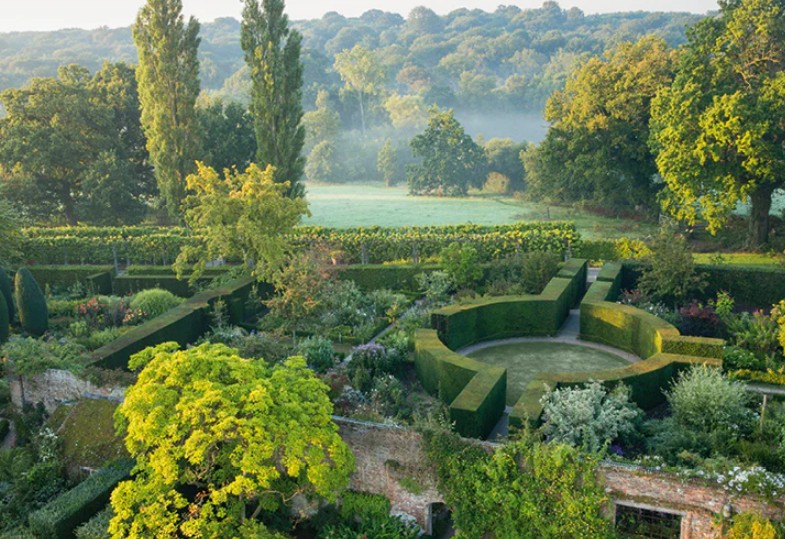
Sissinghurst Castle Garden in Kent is one of the most romantic and celebrated gardens in the UK, known for its poetic beauty and distinct “rooms” separated by hedges and walls. Created by writer Vita Sackville-West and her husband Harold Nicolson in the 1930s, it embodies the perfect harmony between structure and spontaneity. The design combines formal layouts with wild planting, resulting in a landscape that feels both intimate and timeless. Every corner of Sissinghurst tells a story of creativity and love for nature.
The White Garden, perhaps its most famous feature, is a masterclass in restraint and elegance. Only white and silver plants bloom here, producing a tranquil atmosphere even on the brightest days. This monochrome palette has become a symbol of English garden design, admired by horticulturalists around the world. Beyond this, visitors can explore rose gardens, herbaceous borders, and the orchard—all framed by the remains of a Tudor estate. The combination of textures, scents, and colours makes each area feel like its own secluded world.
Sissinghurst’s tower offers sweeping views across the Kent countryside, revealing how the garden integrates naturally into its surroundings. From above, you can appreciate its geometric precision and painterly composition. The brick paths, framed archways, and climbing roses evoke an atmosphere that feels both rustic and refined. Vita Sackville-West’s influence remains strong here—her planting philosophy emphasised emotional connection, not perfection.
Among the most beloved gardens in the UK, Sissinghurst Castle Garden stands as a living expression of artistic vision. It captures the soul of English gardening—structured yet free, cultivated yet wild. Each season brings new moods and fragrances, reminding visitors of the passage of time and the enduring beauty of nature shaped by human hands.
Website: https://www.nationaltrust.org.uk/visit/kent/sissinghurst-castle-garden
5- Great Dixter House & Gardens (East Sussex)
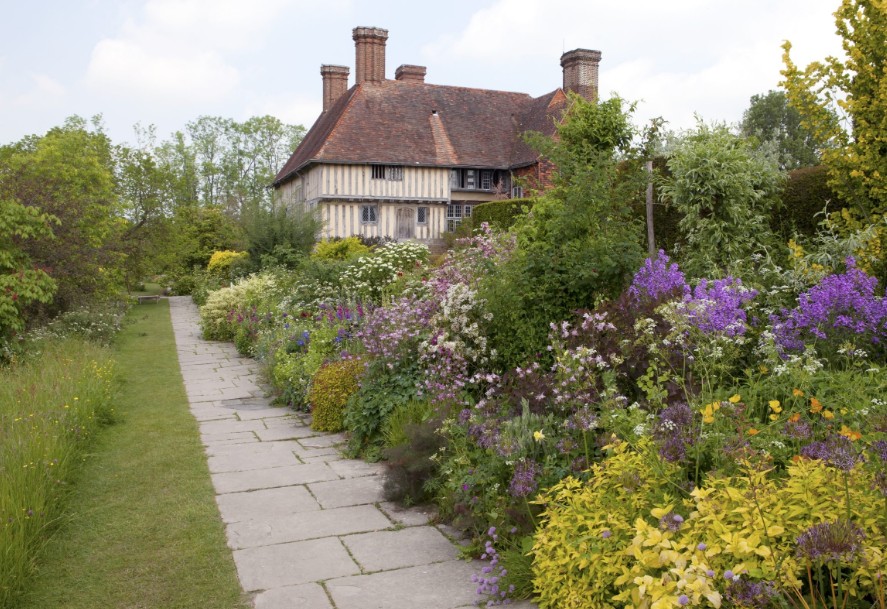
Great Dixter House & Gardens in East Sussex is a vibrant celebration of English horticultural creativity and craftsmanship. Once the family home of famed gardener and writer Christopher Lloyd, it continues to inspire generations of gardeners with its exuberant planting style. The house, a mix of medieval and Arts and Crafts architecture, provides the perfect backdrop for a garden bursting with life and colour. Nothing at Great Dixter feels static—every border evolves with the seasons.
The garden’s design blends formal topiary and naturalistic planting in a way that feels both traditional and experimental. The Long Border, one of its highlights, showcases layers of colour and texture that shift throughout the year. Lloyd’s bold use of contrast—pairing fiery tones with cool blues—defied conventional rules and created a dynamic visual experience. The meadow garden, meanwhile, celebrates biodiversity, with wildflowers attracting bees, butterflies, and birds. This approach makes Great Dixter both a work of art and a haven for wildlife.
Visitors often describe the atmosphere as lively and unpretentious. Gardeners can explore sunken areas, brick paths, and enclosed lawns, each revealing a new perspective. The sense of spontaneity is deliberate; nothing feels overly manicured. The nursery on-site continues Lloyd’s legacy, cultivating rare and unusual plants that embody his adventurous spirit. Workshops and events also keep the garden’s educational purpose alive.
As one of the most distinctive gardens in the UK, Great Dixter stands apart for its bold personality and authenticity. It reflects the joy of gardening as an act of constant creation. Every visit feels different, shaped by light, season, and the gardener’s imagination. Great Dixter isn’t just a destination—it’s a living conversation between art, nature, and human passion.
Website: https://www.greatdixter.co.uk/
6- RHS Garden Hyde Hall (Essex)
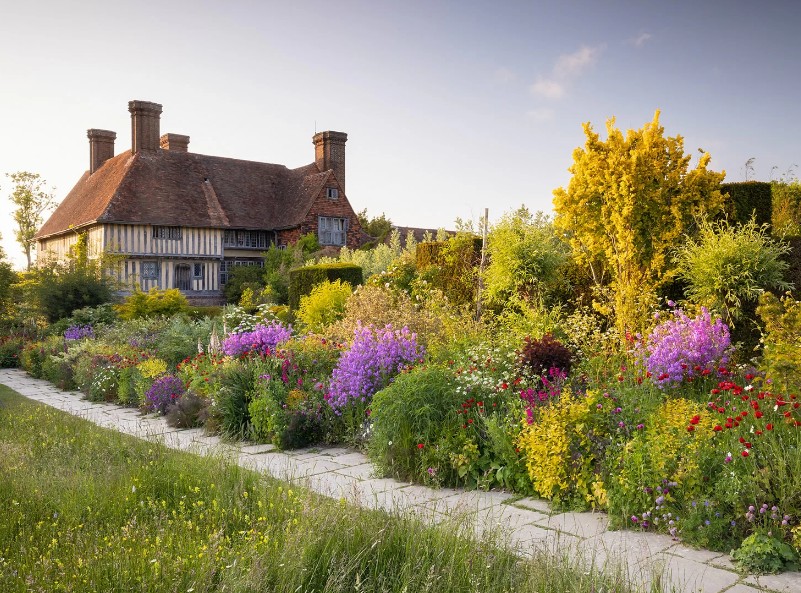
Perched on a hilltop in rural Essex, RHS Garden Hyde Hall offers sweeping views and diverse landscapes that celebrate the adaptability of plants in changing climates. Spread across 360 acres, it showcases dry gardens, wildflower meadows, and ornamental borders that thrive in often-challenging conditions. Its elevated position means light and wind constantly shape the experience, creating a dynamic connection between the garden and the surrounding countryside. Hyde Hall is a living example of resilience and creativity in horticulture.
The Dry Garden is perhaps its most remarkable feature, planted with species that flourish without irrigation. It demonstrates how sustainability and beauty can coexist, with Mediterranean plants, grasses, and succulents arranged in harmonious patterns. Visitors can also stroll through the Global Growth Vegetable Garden, which highlights edible plants from across the world. Every area feels purposeful, blending education with visual delight. The Rose Garden, meanwhile, bursts into fragrant life each summer, offering a sensory feast.
Beyond its planting schemes, Hyde Hall is deeply rooted in community and learning. It hosts events, workshops, and hands-on courses for all ages, encouraging visitors to reconnect with the soil. The Hilltop Garden, one of its oldest sections, remains a serene retreat where traditional designs meet modern interpretation. Paths meander through herbaceous borders, leading to ponds that reflect the open skies above Essex.
As one of the leading gardens in the UK, RHS Garden Hyde Hall embodies innovation, sustainability, and accessibility. Its thoughtful design proves that gardening is as much about adaptation as it is about beauty. Whether you’re admiring drought-tolerant landscapes or exploring experimental plantings, Hyde Hall offers an ever-changing journey through British horticultural excellence.
Website: https://www.rhs.org.uk/gardens/hyde-hall
7- Royal Botanic Garden Edinburgh (Edinburgh)
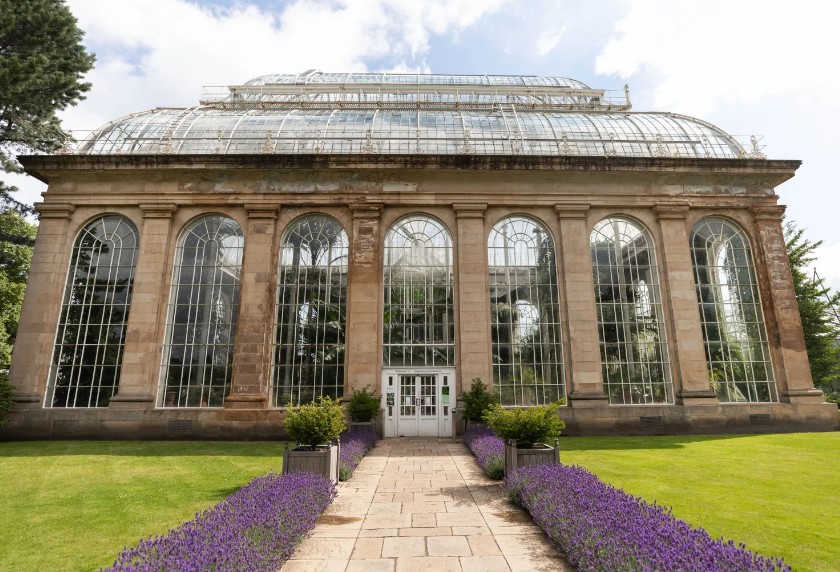
The Royal Botanic Garden Edinburgh is one of the most important scientific and horticultural landmarks in the UK, combining natural splendour with a mission of conservation and research. Founded in the 17th century, it covers over 70 acres of beautifully designed landscapes just a short distance from the city centre. The garden offers a sanctuary of calm where visitors can explore global plant diversity through thoughtfully arranged collections. Every path reveals a new ecosystem, from alpine slopes to tropical rainforests.
One of its most striking features is the Victorian Palm House, a soaring glass structure filled with exotic plants. This architectural masterpiece stands as a symbol of botanical exploration and innovation. Inside, towering palms, ferns, and orchids create an immersive tropical experience. Nearby, the Rock Garden presents a complete contrast, showcasing hardy species from mountain environments. The variety of habitats makes the garden a living classroom for both scientists and visitors eager to understand how plants adapt to their surroundings.
The Royal Botanic Garden Edinburgh is also a world leader in plant research and conservation. Its scientists work tirelessly to protect endangered species and study global biodiversity. The Herbarium and library house millions of specimens, supporting projects that preserve fragile ecosystems worldwide. Seasonal exhibitions and educational programmes invite the public to engage with the science behind the beauty, making it both a destination for leisure and learning.
Among the most distinguished gardens in the UK, the Royal Botanic Garden Edinburgh stands out for its balance of tradition and discovery. It bridges art, science, and nature in a way few places can match. From tranquil water features to carefully curated glasshouses, it captures the spirit of exploration that defines Britain’s horticultural heritage while offering a timeless escape for all who enter.
Website: https://www.rbge.org.uk/
8- Arley Hall & Gardens (Cheshire)
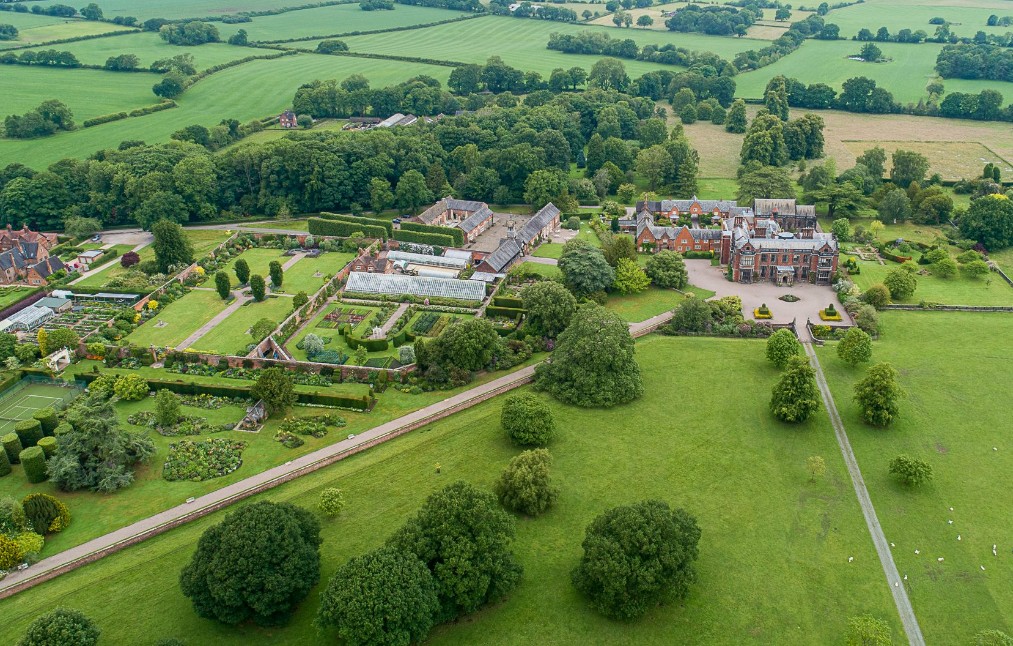
Arley Hall & Gardens in Cheshire is a captivating example of classic English horticulture blended with historical elegance. Surrounding a stately Victorian mansion, the gardens extend over eight acres, meticulously designed to reflect centuries of cultivation and care. Visitors are welcomed into a world of symmetry, fragrance, and vibrant colour, where formal structures meet natural beauty. Every element at Arley has been shaped by generations of passion and precision.
The Double Herbaceous Border is the heart of Arley and one of the oldest of its kind in Britain. Stretching nearly 100 metres, it bursts into a spectacular display of colour each summer. Its rhythm of perennial plants and shrubs creates an ever-changing masterpiece of texture and form. From delphiniums to phlox, the carefully orchestrated planting offers a living calendar of the British growing season. Beyond it, clipped hedges, rose gardens, and walled enclosures evoke the charm of a traditional country estate.
Arley’s design celebrates both order and variety. The Ilex Avenue, lined with ancient holly trees, leads visitors toward sweeping lawns and secluded corners. Each turn reveals a new composition, blending historical design with seasonal spontaneity. The Grove, a woodland area rich in shade-loving plants, provides a quiet retreat from the formality of the main garden. Throughout the grounds, statues, fountains, and brick walls lend a timeless character that enhances the sense of place.
Among gardens in the UK, Arley Hall & Gardens is admired for its balance between grandeur and intimacy. It captures the spirit of English gardening—elegant yet deeply personal. The careful attention to detail, combined with its warm, lived-in atmosphere, makes Arley not only a horticultural treasure but also a reflection of the enduring bond between people and their gardens.
Website: https://www.arleyhallandgardens.com/
9- Bosworth Water Trust & Gardens

Bosworth Water Trust & Gardens, located in the heart of Warwickshire, is a unique blend of landscaped gardens and recreational lakeside beauty. Covering more than 50 acres, it offers visitors a balance between cultivated elegance and natural charm. The site surrounds a large central lake, where tranquil walking trails weave through wildflower meadows, ornamental plantings, and woodlands. This combination of leisure and landscape design makes Bosworth one of the most versatile green spaces in the UK.
Unlike traditional gardens, Bosworth Water Trust integrates nature-based recreation with horticultural design. Families and nature enthusiasts can enjoy boating, picnicking, or birdwatching amidst carefully maintained floral displays. Seasonal gardens, filled with colourful perennials and native species, bring life and texture to the open grounds. The emphasis on sustainability is clear throughout—the planting schemes attract pollinators, while eco-friendly maintenance preserves the site’s biodiversity. Every path feels open and inviting, reflecting a modern approach to public gardens.
Beyond its visual appeal, Bosworth Water Trust & Gardens celebrates community and outdoor living. Regular events, from countryside fairs to environmental workshops, connect visitors with local traditions and nature. The gardens serve as a living classroom, encouraging awareness of water conservation and native wildlife. The peaceful lakeside benches and tree-lined walks offer moments of reflection, while open lawns provide space for relaxation and play.
As one of the most dynamic gardens in the UK, Bosworth Water Trust stands out for its blend of recreation, education, and horticulture. It represents a contemporary vision of what a British garden can be—welcoming, sustainable, and deeply connected to its environment. Whether admiring wildflowers by the lake or exploring its woodland paths, visitors discover a refreshing fusion of natural beauty and human design.
Website: http://www.bosworthwatertrust.co.uk/
10- Antony Woodland Garden (Cornwall)
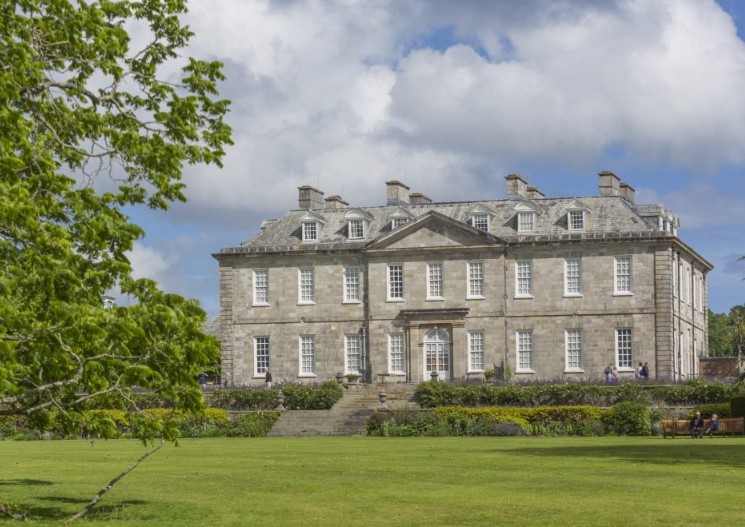
Antony Woodland Garden in Cornwall is often described as a hidden paradise of tranquillity and natural artistry. Situated along the banks of the River Lynher, it covers around 100 acres of semi-wild woodland and open glades. The garden’s design respects the natural contours of the landscape, creating a peaceful retreat where trees, shrubs, and flowers blend seamlessly. Its atmosphere feels untouched yet intentionally poetic, offering one of the most serene experiences among gardens in the UK.
The collection of magnolias, camellias, and rhododendrons is particularly impressive. Each spring, the garden bursts into a cascade of colour and fragrance, drawing visitors into a world of soft petals and dappled light. Winding paths lead through ancient oaks and chestnuts, where carpets of bluebells appear in early summer. The views across the river add a sense of openness, while the calm water reflects the garden’s delicate beauty. Every step invites quiet contemplation and a closer connection to nature.
Art plays a subtle yet powerful role in Antony Woodland Garden. Sculptures are placed thoughtfully among the trees and clearings, blending creativity with the organic landscape. These installations enhance the garden’s meditative character without disturbing its wild harmony. The balance between cultivated beauty and untouched nature reflects the garden’s philosophy—gardening as an act of respect for the land rather than domination. Seasonal changes continually reshape the scenery, ensuring no two visits are ever the same.
Among the many gardens in the UK, Antony Woodland Garden stands out for its simplicity and grace. It is a place where nature leads the design, and human intervention feels gentle and thoughtful. Whether walking beneath flowering trees or sitting quietly beside the river, visitors find themselves immersed in an atmosphere of calm, reflection, and timeless English charm.
Website: http://www.antonywoodlandgarden.com/
Faq’s
What makes gardens in the UK so special?
Gardens in the UK are admired for their rich history, diverse plant life, and beautifully designed landscapes. The country’s mild, rainy climate allows flowers and greenery to thrive throughout the year. British garden culture blends tradition with creativity, resulting in spaces that feel both natural and carefully curated. Every region offers unique styles and planting techniques that reflect local character.
How can I design a traditional British-style garden?
To create a traditional British-style garden, focus on structure, symmetry, and seasonal blooms. Use hedges or stone walls to define spaces, add pathways with gravel or brick, and plant a mix of roses, lavender, and perennials. Combining formal elements with slightly wild borders gives a timeless charm that mirrors the balance often found in classic English landscapes.
When is the best time to visit or enjoy gardens in the UK?
The best time to enjoy gardens in the UK is from late spring to early autumn, when most plants are in full bloom. May and June are especially vibrant, showcasing colourful flowers and lush greenery. However, each season offers something unique—autumn brings warm tones, while winter highlights evergreens and intricate garden structures.
What plants are most common in British gardens?
Typical British gardens feature a variety of hardy plants suited to the temperate climate. Roses, hydrangeas, foxgloves, and lavender are among the most loved. Shrubs such as boxwood and holly provide year-round greenery. Many gardeners also include native wildflowers to encourage bees and butterflies, enhancing the natural beauty and biodiversity of the space.
How do people maintain their gardens during winter in the UK?
Caring for gardens during the colder months involves preparation and protection. Gardeners often prune shrubs, clear fallen leaves, and cover delicate plants to prevent frost damage. Evergreens keep the space lively, while bulbs planted in autumn rest beneath the soil, ready to bloom in spring. Winter care ensures gardens stay healthy and vibrant year after year.