
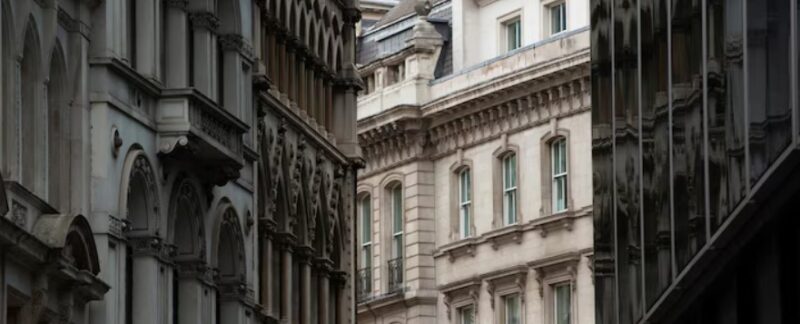
The UK is a treasure trove of historical landmarks, where the past is etched into every stone and structure. From prehistoric remains to medieval wonders, the places of ancient architecture in the UK tell stories of former civilisations, royal dynasties, and cultural evolution. These sites offer a unique glimpse into how architecture has shaped identity, belief systems, and ways of life throughout the centuries.
Exploring the places of ancient architecture in the UK is like stepping into a living museum. The intricately carved stonework, vast ruins, and preserved remnants offer more than just aesthetic value – they serve as vital links to the nation’s roots. Whether nestled in the countryside or standing tall in historic cities, these places captivate with their timeless beauty and rich heritage.
Best places of ancient architecture in the UK
What sets the best places of ancient architecture in the UK apart is not only their age but also the craftsmanship and cultural significance they represent. These locations demonstrate how early societies built enduring structures using basic tools and natural materials, often in perfect harmony with the surrounding landscape. The architectural ingenuity seen in these sites continues to inspire modern design and historical research alike.
Many of the most remarkable places of ancient architecture in the UK have been carefully preserved or restored to maintain their original character. Visitors often find themselves drawn to these destinations not just for their historical value, but for the atmosphere they evoke – a sense of mystery, reverence, and awe. They offer a unique travel experience that blends education, exploration, and a deep connection to the past.
1- Old Royal High School

The Old Royal High School, perched majestically on Calton Hill, is an iconic representation of neoclassical architecture in Scotland. Designed by the renowned architect Thomas Hamilton, this building showcases intricate detailing and grand proportions that exemplify its historical significance. The establishment of the school in the early 19th century was a monumental event, aiming to provide a world-class education to the youth of Edinburgh.
As you approach the Old Royal High School, you are greeted by breathtaking views of the city and the surrounding landscape. The location itself adds to the allure of this ancient structure, providing a picturesque backdrop that enhances its architectural beauty. The design harmoniously blends with the natural surroundings, making it a perfect site for contemplation and appreciation.
Inside, the building is just as remarkable. The grand halls and expansive staircases lead you through rooms filled with stories of the past. Each corner of the Old Royal High School whispers tales of its former glory, from its days as an educational institution to its current role in the preservation of Scotland’s heritage. The ongoing conservation efforts by the Royal High School Preservation Trust aim to revive this architectural gem, turning it into a National Centre for Music.
The Old Royal High School is more than just a structure; it is a symbol of Scotland’s commitment to education and the arts. The vision to transform this historic site into a vibrant cultural hub resonates with the community, showcasing the importance of preserving our architectural heritage. As the restoration progresses, the hopes are high for a future where this magnificent building continues to inspire generations, bridging the past with the present in a celebration of Scotland’s rich history.
2- Edinburgh Castle

Edinburgh Castle stands proudly atop Castle Rock, commanding attention and admiration from all who visit. This formidable fortress has played a pivotal role in Scotland’s history, serving as a royal residence and a military stronghold. Its ancient stone walls and historic buildings encapsulate centuries of Scottish heritage, inviting exploration and discovery. The castle’s strategic location offers panoramic views of the city below, enhancing its status as one of the most iconic places of ancient architecture in the UK.
The history embedded within Edinburgh Castle is both fascinating and rich. As you wander through its courtyards and halls, you can almost hear the echoes of battles fought and royal ceremonies held. Key attractions include the Crown Jewels of Scotland and the Stone of Destiny, both of which hold immense significance in the nation’s history. The Great Hall, with its impressive wooden roof and grand fireplace, provides a glimpse into the lavish banquets once held within these walls.
Visitors to Edinburgh Castle can also delve into its military history. The National War Museum, located within the castle grounds, showcases a vast collection of artefacts that tell the story of Scotland’s armed forces. The castle has witnessed numerous sieges and conflicts, and its architecture reflects these turbulent times. From the imposing St Margaret’s Chapel, the oldest surviving structure in the castle, to the formidable Half Moon Battery, each element contributes to the narrative of strength and resilience.
The annual Military Tattoo held at the castle enhances its cultural significance. This spectacular event showcases Scotland’s rich musical heritage and attracts visitors from around the world. As the sun sets over the castle, the illuminated fortress creates a magical atmosphere, highlighting its architectural beauty against the night sky.
Web: https://www.edinburghcastle.scot/
3- Provand’s Lordship
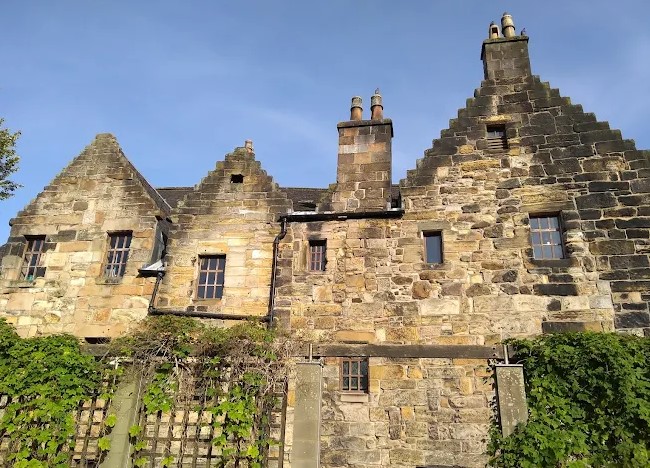
Provand’s Lordship, nestled in the heart of Glasgow, is the oldest house in the city. Dating back to the 15th century, this remarkable structure is a fine example of medieval architecture, showcasing the craftsmanship of its time. Originally built as a residence for a bishop, it has stood the test of time, surviving the tumultuous changes throughout Scotland’s history. The building’s distinctive timber frame and stone construction reflect the architectural styles prevalent during the late Middle Ages.
Upon entering Provand’s Lordship, you are transported back in time. The interior is meticulously preserved, offering visitors a glimpse into the everyday lives of its former inhabitants. Rooms are furnished with period pieces and artefacts that tell stories of the past, from religious ceremonies to domestic life. The Great Hall, with its stunning vaulted ceiling, is particularly impressive, evoking a sense of grandeur and historical significance.
The beautiful gardens surrounding Provand’s Lordship further enhance its charm. Designed in the style of a medieval herb garden, these grounds provide a tranquil space for reflection and relaxation. Visitors can stroll through the gardens, enjoying the lush greenery and the variety of plants that would have been used for medicinal and culinary purposes in the past. The combination of architecture and nature creates a harmonious environment that invites exploration.
Provand’s Lordship serves as a vital link to Glasgow’s rich heritage. Managed by Glasgow Life, it offers educational programmes and events that engage the community and promote an understanding of the city’s history. The ongoing efforts to preserve this ancient building ensure that future generations can appreciate its significance as one of the premier places of ancient architecture in the UK. Each visit to Provand’s Lordship is a journey through time, celebrating the enduring legacy of Scotland’s architectural heritage.
Web: https://www.glasgowlife.org.uk/
4- Old Penicuik House
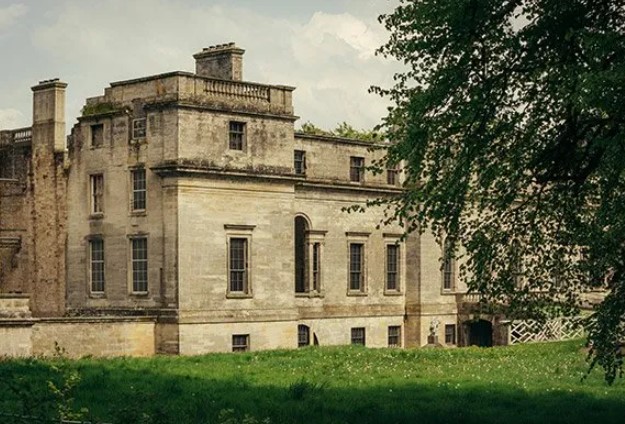
Old Penicuik House, located in the stunning surroundings of Midlothian, is a remarkable example of 18th-century architecture. This historic mansion boasts a unique design, reflecting the grandeur of the Palladian style that was popular during its construction. Built in the 1760s, the house has witnessed many changes over the years, yet it retains its elegance and charm. The impressive façade, complete with intricate stonework and grand columns, captures the imagination of all who visit.
As you approach Old Penicuik House, the beauty of its surroundings becomes apparent. Set within expansive parklands, the estate offers breathtaking views of the rolling countryside, enhancing the allure of this historic site. The grounds are perfect for leisurely walks, allowing visitors to appreciate the natural beauty that complements the architectural splendour. The estate is also home to several notable trees and gardens, adding to its historical significance.
Inside the house, the grandeur continues. The rooms are adorned with period features, each telling a story of the people who once called this magnificent place home. From opulent drawing rooms to functional kitchens, the layout reflects the lifestyle of the aristocracy during its heyday. The restoration efforts aim to breathe new life into Old Penicuik House, ensuring that its history is preserved for future generations.
Old Penicuik House is not just an architectural gem; it is a testament to Scotland’s rich cultural heritage. The ongoing community engagement and preservation initiatives highlight the importance of maintaining such historic sites. As visitors explore this ancient residence, they are reminded of the stories that shaped the landscape of Midlothian and the enduring legacy of places of ancient architecture in the UK.
Web: https://www.penicuikestate.com/
5- Warwick Castle
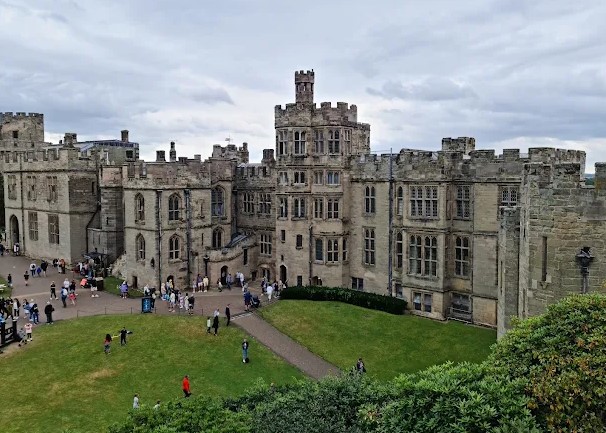
Warwick Castle is a stunning illustration of medieval architecture and history, located in the heart of England. This impressive fortress has stood for over a thousand years, witnessing numerous historical events that have shaped the nation. Originally built as a wooden fort by William the Conqueror in 1068, it was later transformed into a stone castle, boasting magnificent towers and battlements that evoke a sense of grandeur and power.
The castle’s interior is just as captivating as its exterior. Visitors can explore the lavishly decorated State Rooms, which showcase the opulent lifestyle of the Earls of Warwick. Each room is filled with intricate furnishings, art, and tapestries that transport guests back to the Renaissance era. The Great Hall, with its high ceilings and grand fireplace, serves as a focal point, illustrating the castle’s rich history and significance.
Surrounding Warwick Castle are beautifully landscaped gardens and extensive grounds. The gardens provide a serene escape, featuring a variety of plants and sculptures that enhance the castle’s picturesque setting. The renowned Peacock Garden, with its vibrant flora and fauna, is particularly popular among visitors. The combination of nature and architecture creates a harmonious environment where history comes to life.
Warwick Castle also hosts a variety of events throughout the year, adding to its cultural significance. From medieval reenactments to seasonal festivals, there is always something happening at this historic site. These events not only entertain but also educate visitors about the castle’s storied past. Warwick Castle remains a vital part of England’s heritage, inviting exploration and discovery as one of the most distinguished places of ancient architecture in the UK.
Web: https://www.warwick-castle.com/
6- Montacute House
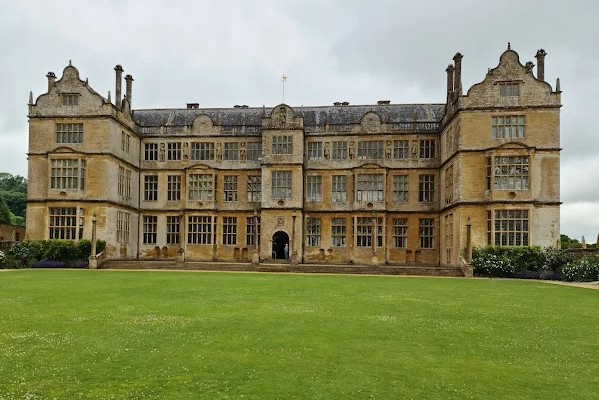
Montacute House stands as a remarkable example among the places of ancient architecture in the UK. Nestled in the scenic Somerset countryside, this Elizabethan mansion exudes a classic charm that harkens back to the Renaissance. Its stately façade, built from glowing hamstone and accentuated by sprawling glass windows, reflects the precision and artistry of a bygone era. The house embodies the spirit of vintage British elegance with a rich legacy woven into every brick.
Inside, the interior spaces of Montacute House reveal a world of intricate details and period craftsmanship. Sunlight streams through towering windows onto finely polished floors and walls adorned with rare tapestries and artefacts. The high ceilings and graceful staircases evoke the opulent spirit of Elizabethan refinement. Every corridor tells a story of heritage and refined craftsmanship that appeals to lovers of classical architecture.
The extensive landscaped gardens and sprawling parklands further complement this treasured estate. Meandering stone paths cut through formal greenery and ancient hedgerows, inviting visitors to explore natural beauty alongside man-made splendour. The fusion of timeless nature and architectural grace creates a serene environment that honours centuries of British heritage.
Montacute House’s enduring presence attracts historians, architects, and art enthusiasts alike. Carefully maintained through the years, the house offers educational tours and events that illuminate its storied past. It remains an invaluable resource for anyone keen to explore the depths of British historical ingenuity and enduring elegance.
Web: https://www.nationaltrust.org.uk/
7- Palace of Westminster / Houses of Parliament

The Palace of Westminster houses the UK’s Houses of Parliament. Undeniably, it stands as a towering symbol of ancient architecture. Set beside the River Thames, its majestic silhouette commands attention. Over time, it has absorbed rich layers of history. Together, these elements reflect centuries of political change and cultural identity. Skilled builders crafted the structure using intricate stonework and soaring towers. Moreover, the design blends medieval tradition with the function of modern governance. Today, the building represents more than politics. It serves as a proud emblem of British heritage.
Inside, the building’s vast halls and storied chambers evoke the sensation of stepping back in time. The grandeur of Westminster Hall, the famed clock tower affectionately known as Big Ben, and the intricate carvings throughout offer a wealth of historic detail. Every space within these hallowed walls is imbued with the legacy of past orators and monarchs, capturing the essence of medieval magnificence.
Outside, the surroundings of the Palace add to its monumental appeal. The nearby embankment and iconic Westminster Bridge frame the structure against a vivid sky, enhancing its dramatic impact. The majestic façade, adorned with exquisite sculptures and artful details, stands as proof of an enduring artistic vision that continues to fascinate.
Guided tours and public events shed further light on the dynamic narrative behind the Palace of Westminster. Visitors immerse themselves in the storied past of British politics while experiencing firsthand the architectural genius that has survived centuries of change. This illustrious site continues to captivate modern audiences by blending tradition with lively public discourse in an atmosphere of regal sophistication.
Web: https://www.parliament.uk/
8- Saltford Manor House
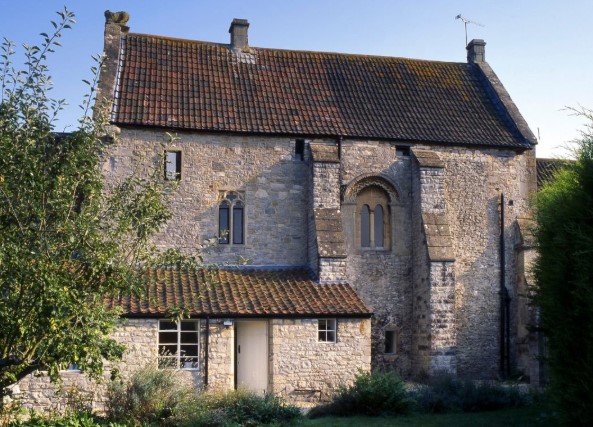
Saltford Manor House is celebrated as one of the most intriguing places of ancient architecture in the UK. Located in the heart of Somerset, this Norman manor exudes centuries of history with its weathered stone walls and distinctive Norman window design. The building’s origins date back to the 12th century, creating a compelling link to medieval feudal life. The house stands as a rare example of continuous occupation since its construction, preserving original features that echo a storied past.
Inside, the manor reveals a wealth of ancient craftsmanship and subtle period details. Arched doorways, exposed beams, and intricately carved stonework evoke the construction techniques of the medieval era. Every nook of the house reveals the persistent spirit of Norman design and historical innovation that continues to inspire awe.
The grounds surrounding Saltford Manor House further enhance its appeal among the places of ancient architecture in the UK. Expansive medieval fishponds, stone-laid paths, and intimate courtyards invite exploration of an environment steeped in history. As the aged stones meet lush, time-honoured gardens, a sense of continuity and renewal is artfully maintained, showcasing the ingenuity of early builders.
The manor endures as a vibrant record of medieval life and architectural achievement. Its storied walls recount tales of feudal lords, ecclesiastical influence, and enduring craftsmanship. It remains an exceptional exposition of classic design and Norman engineering in one of the finest places of ancient architecture in the UK.
Web: https://www.saltfordenvironmentgroup.org.uk/
9- Windsor Castle
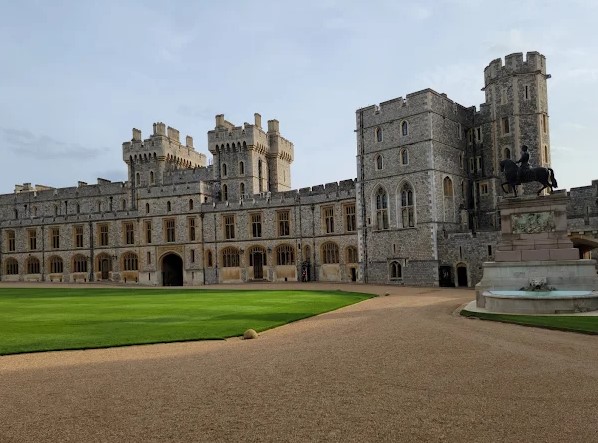
Windsor Castle epitomises the regal grandeur found among the places of ancient architecture in the UK. Founded by William the Conqueror in the 11th century, this enduring fortress has been home to royalty for over a millennium. Its robust stone walls, imposing turrets, and carefully preserved battlements make it an architectural marvel steeped in history. Its presence on the banks of the Thames continues to spark admiration and curiosity among visitors worldwide.
Inside, Windsor Castle boasts lavish state apartments and richly decorated halls that speak to its royal legacy. Ornate ceilings, intricate wooden carvings, and priceless artworks adorn every chamber, chronicling the lives of the monarchs who once reigned from these rooms. Every space within the castle radiates opulence and historical significance, where art and royal history converge in dazzling detail.
Outside, the castle’s expansive grounds, well-manicured gardens, and ancient courtyards add depth to its storied character. The architectural harmony of fortified walls and serene landscapes underlines Windsor Castle’s enduring role as one of the premier places of ancient architecture in the UK. The exterior’s blend of defensive structures and decorative flourishes illustrates centuries of continuous adaptation and reverence for tradition.
Guided tours reveal a rich tapestry of legends and historical events. Over the years, many stories have unfolded within these ancient walls. During the tour, visitors gain insights into royal ceremonies and major restoration projects. Furthermore, guides highlight subtle details that make each corner of the castle truly captivating. It stands proudly as a symbol of enduring royal tradition and architectural brilliance, offering an immersive experience into Britain’s past.
Web: https://www.rct.uk/
10- University of Edinburgh
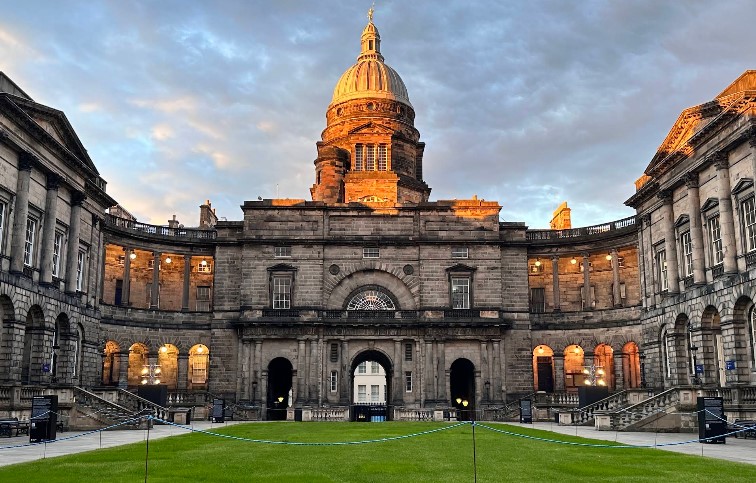
The University of Edinburgh holds a distinguished place among the UK’s most iconic examples of ancient architecture. Founded in 1582, it has remained a central figure in the country’s educational and cultural history. Over the centuries, its historic buildings have shaped both the university’s identity and its academic environment. The architects designed ornate stone façades, which immediately draw the eye. In addition, the lofty arches reflect academic tradition. Likewise, the elegant quadrangles reveal enduring architectural beauty. Together, they form a perfect fusion. As a result, the university offers not only a place of learning but also a visual journey through time-honoured design.
Walking amidst the ancient corridors of the campus is akin to exploring a living museum of education and craftsmanship. Intricate carvings, grand archways, and intimate cloisters combine to create an atmosphere that honours centuries of learning. Every building on campus narrates a rich personal story of academic aspiration and meticulously preserved design.
On the other hand, libraries brimming with history, lecture halls exuding classical charm, and time-worn inscriptions testify to the enduring passion for knowledge and heritage. Lush green quads, reflective pools, and secluded nooks enhance the striking stone structures that remain central to the campus. The unique integration of ancient design features with modern academic life marks it as one of the most significant places of ancient architecture in the UK.
Exploring the campus reveals a vibrant celebration of both old and new. Meticulously restored stone walls, graceful spires, and elegantly detailed facades stand as testaments to a time when craftsmanship was king. This institution continues to thrive as a beacon of historical legacy and innovative thought.
Faq’s
What are some common features of places of ancient architecture in the UK?
Places of ancient architecture in the UK often showcase features such as intricate stonework, arches, columns, and carvings that reflect the craftsmanship of their time. For instance, these sites may span different periods, including Roman, Norman, Saxon, and medieval influences. Many of them are preserved in their original form or carefully restored to retain their historical integrity. Their layouts often reflect religious, defensive, or civic purposes and are rich in symbolic details.
Why are places of ancient architecture in the UK historically important?
Places of ancient architecture in the UK offer valuable insight into the nation’s past, reflecting its cultural, political, and social development over centuries. These structures help historians and visitors understand how people lived, worshipped, defended themselves, and governed. They are key to understanding the evolution of architectural styles and building techniques. Moreover, they contribute significantly to the identity and heritage of the UK.
Are places of ancient architecture in the UK accessible to the public?
Many places of ancient architecture in the UK are open to the public and maintained by heritage organisations. These sites often include visitor centres, guided tours, and educational displays to enhance the experience. Accessibility varies depending on the site’s location and structure. Some offer full wheelchair access. On the other hand, others have more limited facilities due to preservation concerns. It’s recommended to check each site’s details in advance.
What time periods do places of ancient architecture in the UK represent?
Places of ancient architecture in the UK represent a wide range of historical periods, from prehistoric and Roman times to the medieval and early modern eras. Each period brought distinct building styles, materials, and functions. In fact, these sites reflect the influence of various cultures that settled or conquered the region over the centuries. That makes the UK a rich tapestry of historical design. Visitors can often trace this evolution through the architecture itself.
How are places of ancient architecture in the UK preserved?
Preservation of places of ancient architecture in the UK involves expert conservation techniques, ongoing maintenance, and careful restoration where needed. Many of these sites are protected by law and supported by national heritage organisations. Conservation efforts aim to maintain the authenticity of the original structure while preventing further decay. Public awareness and sustainable tourism also play a role in safeguarding these historical treasures for future generations.