

The United Kingdom is a treasure trove of cultural, historical, and natural wonders. From the rugged coastlines to the heart of its cities, there’s no shortage of captivating experiences waiting to be discovered. Whether you’re a history buff, a nature lover, or someone simply seeking a memorable getaway, you’ll find plenty of tourist attractions in the UK to suit every interest and travel style.
Planning a trip can feel overwhelming with so many choices, but exploring the top-rated tourist attractions in the UK offers an excellent starting point. These destinations highlight the country’s rich heritage, vibrant culture, and diverse landscapes. With so many iconic and lesser-known spots, visitors are guaranteed to find something unique in every region. From the moment you arrive, you’ll be surrounded by beauty, tradition, and charm.
Best tourist attractions in the UK
For anyone seeking an enriching travel experience, the UK offers a broad range of sites that captivate the imagination. The charm lies not just in the landmarks themselves, but in the stories they tell and the atmosphere they create. Whether you’re wandering through ancient streets or gazing out over dramatic scenery, the sense of place is always strong and stirring. These attractions draw visitors from all over the world, offering insight into British life past and present.
What sets these locations apart is how they blend education, entertainment, and sheer awe. From architectural marvels to natural wonders, each site provides a meaningful connection to the UK’s identity. Exploring these destinations allows travellers to appreciate the country’s depth beyond the surface, with moments that are as reflective as they are unforgettable. With every visit, there’s something new to learn, feel, and remember.
1- Big Ben and the Houses of Parliament
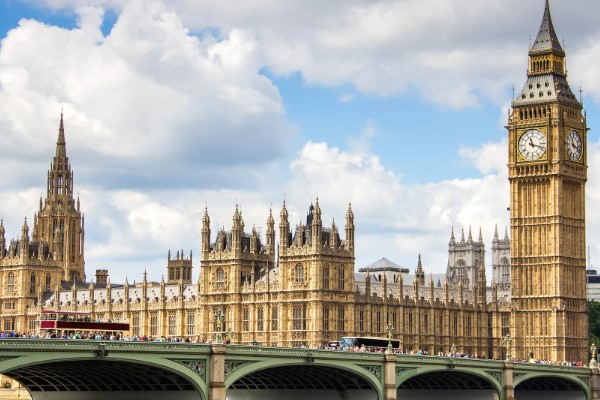
Big Ben, an iconic symbol of London, stands tall beside the Houses of Parliament. Officially known as the Elizabeth Tower, Big Ben is the name of the Great Bell housed within. This magnificent clock tower is a masterpiece of Victorian Gothic architecture. Its stunning design attracts visitors from all over the globe. The tower’s intricate details and the grandeur of its clock face make it a must-see attraction.
The Houses of Parliament, located on the banks of the River Thames, serve as the seat of the UK government. This historic building is where political discussions and decisions take place. Visitors can marvel at the stunning architecture, which features elaborate stonework and majestic towers. The intricate interior is equally captivating, with its lavishly decorated rooms and chambers. Guided tours allow guests to explore the House of Commons and the House of Lords, gaining insight into British politics.
A visit to this landmark offers not only a glimpse into the heart of British politics but also breathtaking views of the surrounding area. The nearby Westminster Bridge provides an excellent vantage point for photographs, particularly during sunset. The vibrant atmosphere around the area is filled with street performers and food stalls, enhancing the overall experience. History enthusiasts will appreciate the rich stories behind the building’s construction and its role in significant historical events.
Big Ben and the Houses of Parliament are particularly stunning when illuminated at night. The golden clock face glows against the dark sky, creating a magical sight. This view is cherished by both locals and tourists alike. Additionally, the area is surrounded by other notable attractions, such as Westminster Abbey and the London Eye, making it a perfect starting point for a day of exploration.
Address: Palace of Westminster, Westminster, London SW1A 0AA.
2- Stonehenge
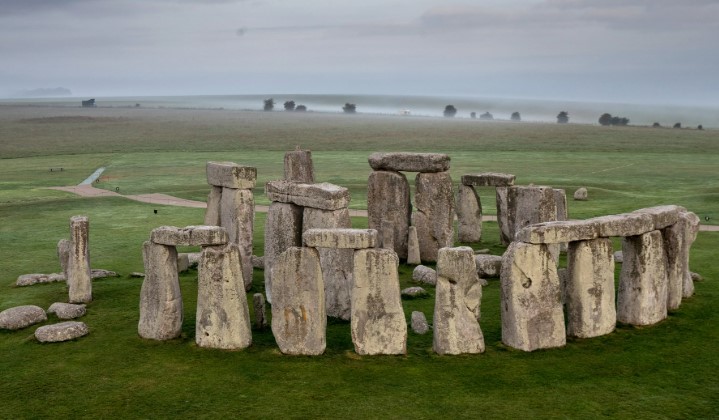
Stonehenge is one of the most famous prehistoric monuments in the world. Located in Wiltshire, this ancient stone circle draws thousands of visitors each year. Its origins date back over 5,000 years, making it a site of immense historical significance. The massive stones, some weighing up to 25 tons, are arranged in a circular layout. This arrangement has puzzled archaeologists and historians for centuries, sparking numerous theories about its purpose.
The site offers an engaging visitor experience, complete with a modern visitor centre. This facility provides insights into the history of Stonehenge and its significance in Neolithic times. Interactive displays and exhibitions allow guests to delve deeper into the mysteries surrounding this ancient site. Guided tours are available, offering fascinating stories and facts that enhance the overall experience.
As visitors approach the stone circle, they are struck by the sheer size and majesty of the monoliths. The atmosphere is awe-inspiring, as one can almost feel the weight of history in the air. Many visitors take the opportunity to walk around the stones and capture stunning photographs. The site is particularly beautiful during sunrise and sunset, when the light casts dramatic shadows.
Stonehenge is not just a monument; it is also a UNESCO World Heritage Site. This status highlights its cultural importance and the need for preservation. Events are held here throughout the year, including the summer and winter solstices, attracting those who wish to celebrate and connect with the ancient traditions.
Address: Stonehenge, Amesbury, Salisbury SP4 7DE.
3- Edinburgh Castle

Perched atop Castle Rock, Edinburgh Castle is a historic fortress that dominates the skyline of Scotland’s capital. This iconic landmark has played a crucial role in Scotland’s history, serving as a royal residence and military stronghold. Its imposing structure offers breathtaking views of the city below. Visitors can explore the castle’s various buildings and exhibits, which narrate the rich history of Scotland.
One of the castle’s main attractions is the Honours of Scotland, the country’s crown jewels. Displayed in the Crown Room, these treasures are a testament to Scotland’s royal heritage. The Stone of Destiny, used in the coronation of Scottish rulers, is another highlight that draws history enthusiasts. Exploring the castle’s many chambers provides insight into the lives of those who once lived here.
The castle’s Military Museum showcases Scotland’s military history, featuring fascinating artefacts and memorabilia. The captivating stories behind each exhibit engage visitors and bring the past to life. The One o’clock Gun, a time-honoured tradition, is fired daily, adding to the castle’s charm and allure.
Surrounded by the stunning backdrop of the Scottish landscape, Edinburgh Castle is a photographer’s dream. The combination of history and natural beauty makes it a must-visit location. After exploring the castle, visitors can stroll down the Royal Mile, a historic thoroughfare lined with shops, cafes, and historic sites.
Address: Castlehill, Edinburgh EH1 2NG, Scotland.
4- Tower of London
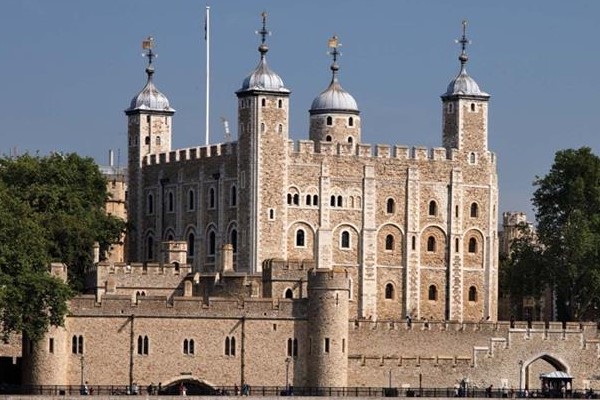
The Tower of London is a historic castle located on the banks of the River Thames. This UNESCO World Heritage Site has a rich and often dark history, serving as a royal palace, prison, and treasury. Visitors are drawn to the tower not only for its historical significance but also for its iconic architecture. The White Tower, at the heart of the complex, is the oldest part and showcases stunning Norman architecture.
One of the main attractions at the Tower of London is the Crown Jewels, a dazzling collection of royal regalia. Displayed in the Jewel House, these exquisite items are a must-see for anyone visiting. The grandeur of the crowns, sceptres, and orbs reflects the rich history of the British monarchy. Guided tours led by the Beefeaters provide insightful stories about the tower’s past and its famous prisoners.
The castle is also home to the famous ravens, whose presence is steeped in legend. According to folklore, if the ravens ever leave the tower, the kingdom will fall. Their care is taken very seriously, and visitors can often catch glimpses of these majestic birds. The grounds of the Tower of London are also perfect for leisurely walks, with beautiful views of the river and the city.
Throughout the year, the Tower of London hosts various events and exhibitions. These events allow visitors to immerse themselves in the history of this fascinating site. Seeing reenactments of historical events can transport guests back in time, enhancing their understanding of the tower’s significance.
Address: St Katharine’s & Wapping, London EC3N 4AB.
5- Loch Ness
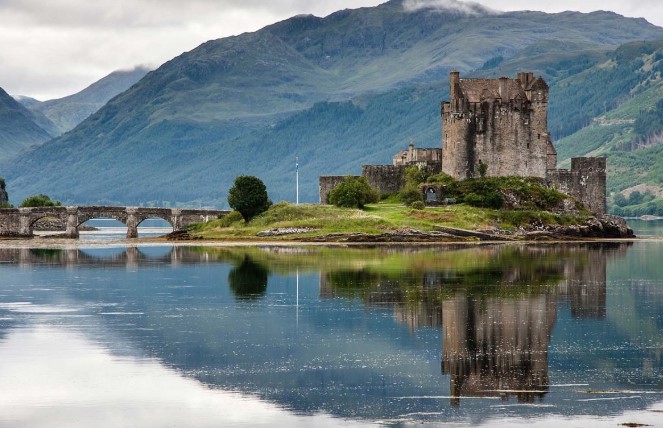
Loch Ness, located in the Scottish Highlands, is a stunning freshwater lake famous for its natural beauty and legendary monster. The loch stretches approximately 23 miles, making it one of the largest bodies of water in the UK. Visitors flock to this picturesque location to enjoy its serene landscapes and explore the surrounding area. The loch is framed by rolling hills and enchanting forests, creating a perfect backdrop for outdoor adventures.
One of the most intriguing aspects of Loch Ness is the legend of Nessie, the elusive Loch Ness Monster. This mythical creature has captured the imagination of many, leading to numerous expeditions and sightings over the years. Visitors can engage in boat tours that offer a chance to explore the depths of the loch while keeping an eye out for Nessie. These tours often provide fascinating insights into the history and ecology of the loch.
In addition to its folklore, Loch Ness is home to several historical sites. Urquhart Castle, located on the shores of the loch, is a popular destination for those interested in Scottish history. The castle ruins provide stunning views of the water and the surrounding landscapes. Exploring the castle grounds allows visitors to step back in time and imagine what life was like during its heyday.
The area around Loch Ness is perfect for hiking, cycling, and wildlife spotting. Numerous trails wind through the picturesque countryside, offering opportunities to see local wildlife, including deer and various bird species. The beauty of the landscape is truly enchanting, making it a favourite spot for photographers and nature lovers alike.
Address: Loch Ness, Inverness, Scotland.
6- St Paul’s Cathedral
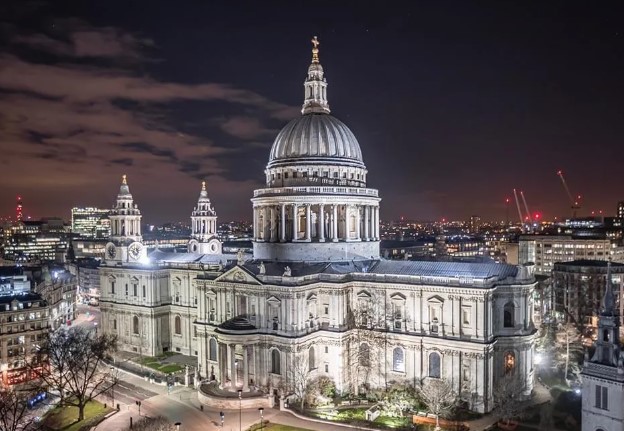
St Paul’s Cathedral is an architectural masterpiece located in the heart of London. This iconic structure, designed by Sir Christopher Wren, has been a significant feature of the London skyline since its completion in the early 18th century. The magnificent dome, one of the largest in the world, is a highlight that draws visitors from around the globe. The intricate details and stunning mosaics within the cathedral create a sense of awe and reverence.
Visitors can explore the stunning interiors of St Paul’s Cathedral, which include beautiful chapels and memorials. The Whispering Gallery, located within the dome, is famous for its unique acoustics, allowing visitors to hear whispers from across the gallery. Climbing to the top of the dome rewards guests with breathtaking panoramic views of London. The climb, consisting of 528 steps, is worth the effort, providing a unique perspective of the city’s vast landscape.
As a site of national significance, St Paul’s Cathedral has hosted numerous important events throughout British history. It has been the venue for royal weddings, state funerals, and memorial services, cementing its place in the hearts of many. The cathedral’s dedication to preserving its history is evident in the carefully curated exhibitions that educate visitors about its role in London’s past.
St Paul’s Cathedral is also known for its commitment to community and outreach. The cathedral frequently holds concerts, art exhibitions, and educational programs, making it a vibrant part of the London community. Visitors can also enjoy the peaceful surroundings of the Cathedral Gardens, perfect for a moment of reflection amidst the bustling city.
Address: St. Paul’s Churchyard, London EC4M 8AD.
7- Giant’s Causeway
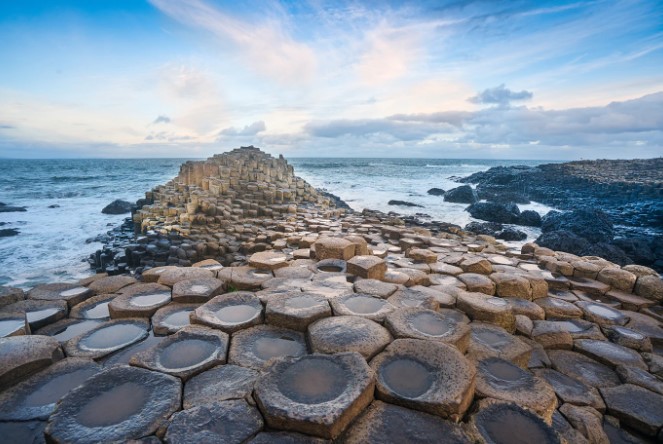
The Giant’s Causeway is a UNESCO World Heritage Site located on the rugged coast of Northern Ireland. Renowned for its unique geological formations, this natural wonder features approximately 40,000 interlocking basalt columns, formed by volcanic activity over 60 million years ago. The stunning landscape of the causeway has inspired countless legends and myths, including the tale of the giant Finn McCool.
Visitors to the Giant’s Causeway can explore its dramatic cliffs and breathtaking views of the Atlantic Ocean. Walking along the coastal paths provides opportunities to appreciate the natural beauty of the surrounding area. The visitor centre offers informative exhibits about the geology and mythology of the site, enhancing the overall experience. Interactive displays and guided tours allow guests to delve deeper into the history of the causeway’s formation.
The Giant’s Causeway is not just about the columns; it also boasts a rich ecosystem. Birdwatchers and nature enthusiasts will delight in spotting various species, including puffins and seabirds. The coastal environment is perfect for leisurely walks, and the scenic views make it a photographer’s paradise. Many visitors enjoy capturing the stunning sunsets that cast a magical glow over the landscape.
The site is easily accessible, with various facilities available to enhance the visitor experience. On-site cafes and gift shops provide refreshments and souvenirs, making it convenient for guests to spend an entire day exploring. The Giant’s Causeway is a must-visit for anyone travelling to Northern Ireland, offering a perfect blend of natural beauty and intriguing history.
Address: 44 Causeway Road, Bushmills BT57 8SU.
8- Oxford and Cambridge
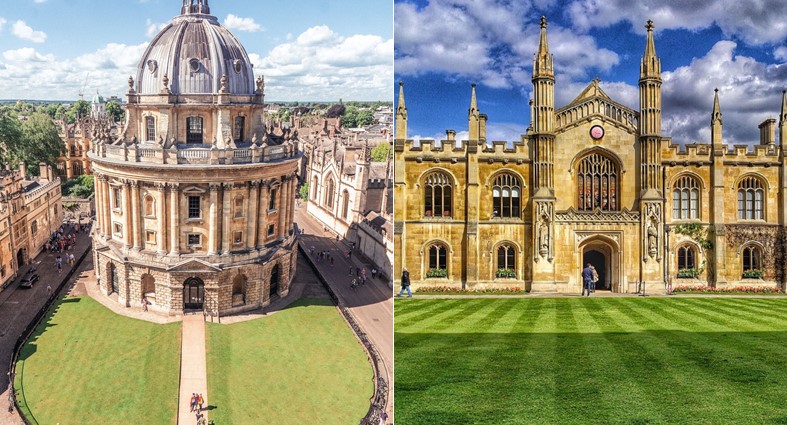
Oxford and Cambridge, two of the most prestigious university towns in the UK, are rich in history and academic excellence. Both cities boast stunning architecture, picturesque landscapes, and vibrant cultural scenes. Visitors to Oxford can explore its renowned colleges, such as Christ Church and Magdalen, each with its unique history and stunning architecture. The Bodleian Library, one of the oldest libraries in Europe, is also a highlight, offering guided tours that showcase its remarkable collection.
Cambridge, known for its beautiful river and historic buildings, offers a different yet equally captivating experience. A stroll along the River Cam provides scenic views of the famous college buildings, including King’s College Chapel, which is an architectural marvel. Punting on the river is a popular activity, allowing visitors to relax and take in the stunning surroundings. The charming narrow streets and bustling markets add to the vibrant atmosphere of Cambridge.
Both cities are steeped in literary and scientific history, with notable alumni including Isaac Newton, Charles Darwin, and J.R.R. Tolkien. Museums and galleries in both locations, such as the Ashmolean Museum in Oxford and the Fitzwilliam Museum in Cambridge, house impressive collections that reflect their rich academic heritage. Visitors can engage with the history of the universities through exhibitions and guided tours that bring the past to life.
Throughout the year, Oxford and Cambridge host numerous events and festivals that celebrate their cultural significance. From literary festivals to music events, there is always something happening in these vibrant towns. The lively atmosphere and rich history make both cities a must-visit for anyone interested in British culture and education.
Address: Oxford, OX1 2JD; Cambridge, CB2 1TN.
9- The Lake District
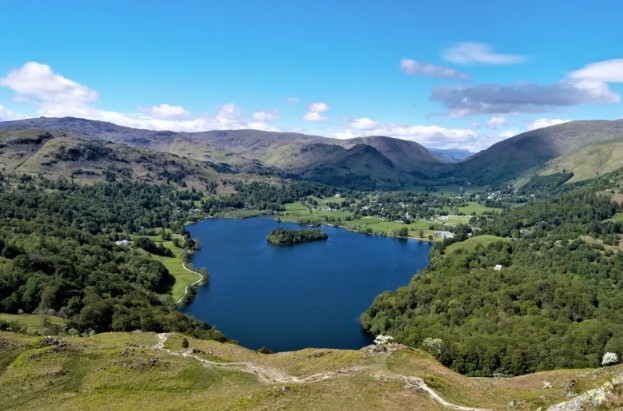
The Lake District is a stunning national park located in northwest England, renowned for its breathtaking scenery and tranquil lakes. This picturesque region is often referred to as the inspiration for numerous poets and writers, including William Wordsworth and Beatrix Potter. With its rolling hills, majestic mountains, and sparkling lakes, the Lake District is a paradise for nature lovers and outdoor enthusiasts.
Visitors can explore a variety of hiking trails suitable for all levels of experience. Whether you’re looking for a leisurely stroll around Lake Windermere or a challenging hike up Scafell Pike, the highest peak in England, there are options for everyone. The diverse landscapes provide opportunities for birdwatching, cycling, and even water sports on the lakes. Each season brings a different charm, from vibrant autumn colours to lush green valleys in the spring.
The charming villages scattered throughout the Lake District add to the area’s appeal. Places like Ambleside and Keswick offer quaint shops, local eateries, and welcoming accommodations. Visitors can experience traditional Lake District hospitality while enjoying local delicacies, including Cumberland sausage and sticky toffee pudding. The region’s rich history is reflected in its architecture, with many buildings dating back centuries.
The Lake District is also home to several cultural attractions, including museums and art galleries. The Wordsworth Museum and Dove Cottage, where the poet lived, provide insight into his life and work. Art enthusiasts will appreciate the collection at the Abbot Hall Art Gallery, showcasing both historical and contemporary works. These cultural experiences complement the stunning natural beauty of the area.
Address: Lake District National Park, United Kingdom.
10- Westminster Abbey
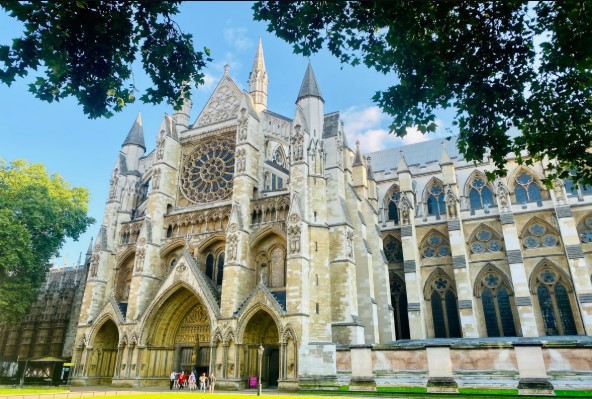
Westminster Abbey is one of the most iconic religious buildings in the UK, located just a stone’s throw from the Houses of Parliament. This magnificent Gothic abbey has a rich history dating back over a thousand years. As the site of royal coronations, weddings, and funerals, it holds immense significance in British history. The abbey’s stunning architecture, with its intricate stone carvings and beautiful stained glass windows, captivates visitors from around the world.
Inside, Westminster Abbey is home to numerous tombs and memorials dedicated to famous figures from British history. Visitors can pay their respects to notable individuals such as Isaac Newton, Charles Darwin, and Geoffrey Chaucer. The Poets’ Corner, a tribute to the literary greats, is a highlight for literature enthusiasts. The abbey’s rich tapestry of history is woven into every corner, making it a fascinating place to explore.
Guided tours are available, providing insight into the abbey’s history and significance. Visitors can learn about the architectural features, the royal connections, and the stories behind the memorials. The audio guides enhance the experience, allowing guests to delve deeper into the abbey’s past at their own pace. Special services and events are held throughout the year, providing a unique opportunity to witness the abbey in use.
The surrounding area is equally vibrant, with picturesque gardens and nearby attractions. Visitors can enjoy a leisurely stroll through the College Garden, one of the oldest gardens in England. The location also makes it easy to explore other nearby landmarks, such as the Houses of Parliament and Big Ben. Westminster Abbey is not only an architectural marvel but also a living testament to Britain’s rich history and culture.
Address: 20 Deans Yard, Westminster, London SW1P 3PA.
Faq’s
What are the best times to visit tourist attractions in the UK?
The best time to visit tourist attractions in the UK is during the spring and summer months when the weather is milder and more pleasant. This is when many outdoor attractions and events are in full swing, offering the best experience for visitors. However, some attractions can get crowded during peak tourist season, so it’s advisable to plan your visit in advance. If you prefer fewer crowds, visiting in the autumn or early winter can provide a more relaxed experience.
How can I avoid crowds at tourist attractions in the UK?
To avoid crowds at tourist attractions in the UK, try visiting during off-peak times such as weekdays or early mornings. Some attractions are less busy in the winter months, excluding the holiday season. Additionally, booking tickets in advance can help you skip long queues. Visiting lesser-known locations or taking guided tours during less busy hours can also enhance your experience without the crowds.
What should I know about accessibility at tourist attractions in the UK?
Many tourist attractions in the UK are designed with accessibility in mind, offering wheelchair access and facilities for those with mobility impairments. It’s always a good idea to check ahead for specific accessibility details, as some historical sites may have limited facilities due to their age or location. Most modern attractions, however, have comprehensive services like lifts, ramps, and accessible toilets to ensure all visitors can enjoy the experience.
Are there discounts available for entry to tourist attractions in the UK?
Yes, many tourist attractions in the UK offer discounts for students, seniors, children, and families. Some attractions also provide combined tickets, which offer a reduced price for visiting multiple sites. Additionally, membership cards or passes are available for frequent visitors, which can provide access to several attractions at a lower cost. It’s always worth checking for special deals or online promotions before booking tickets.
Are there any tips for visiting historical tourist attractions in the UK?
When visiting historical tourist attractions in the UK, it’s important to plan ahead and understand the site’s history to make the most of your visit. Many attractions offer audio guides or guided tours that provide in-depth information. It’s also recommended to check the opening hours and any special events or temporary closures, especially during peak seasons. Comfortable footwear is a must, as many historical sites involve walking on uneven surfaces or exploring extensive grounds.