
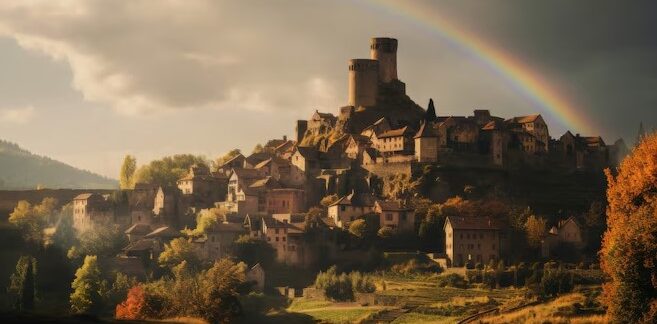
The charm of the medieval villages in the UK lies in their timeworn stone cottages, narrow winding streets, and stories carved into every corner. These villages offer a glimpse into the past, where ancient market squares, timber-framed buildings, and centuries-old churches bring history to life. Often nestled within picturesque landscapes, they remain remarkably well-preserved, showcasing authentic features that date back to the Middle Ages. For travellers seeking something more than the usual city escape, these destinations offer a captivating blend of cultural heritage and tranquil countryside.
Many medieval villages in the UK are untouched by modern development, making them ideal spots for those yearning for a slower pace and scenic walks through cobbled alleys. From remnants of feudal life to hidden courtyards and historic wells, every element contributes to their timeless appeal. Whether you’re a history enthusiast, an architecture lover, or simply someone who enjoys discovering off-the-beaten-path places, these villages promise a journey back through time. Their enduring beauty and atmosphere are a testament to the UK’s rich and layered past.
Best medieval villages in the UK
When it comes to exploring the best medieval villages in the UK, what stands out is not just their age, but the way history lingers in the details. Many of these villages have retained their original street layouts and architectural features for centuries. The buildings, often constructed with local materials and traditional techniques, tell stories of medieval life that no textbook ever could. These places offer an authentic experience, where the past isn’t reconstructed — it simply exists as part of the everyday environment.
In addition to their architectural charm, these villages also reflect the social and cultural traditions of medieval England. Visitors often find themselves stepping into living history. There, local customs, seasonal festivals, and ancient landmarks come together to preserve a unique identity. The best part? Many of these villages remain quietly tucked away. They offer peaceful exploration far from crowded tourist spots. They’re not just beautiful — they’re deeply atmospheric. In addition, they offer a sense of connection with the lives and legacies of those who came before.
1- Ludlow
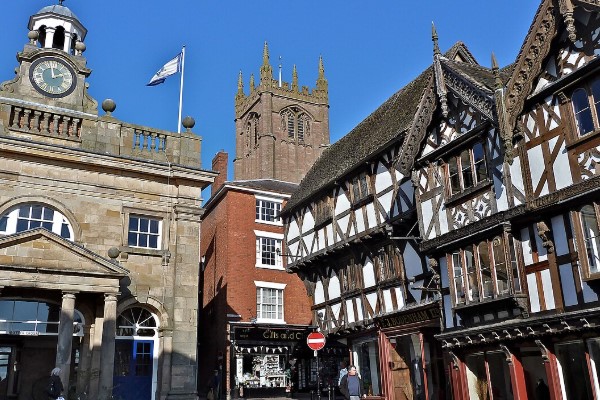
Ludlow, a quintessential example of a historic settlement in the UK, offers a captivating glimpse into the past. The town, nestled in Shropshire, boasts a rich tapestry of medieval history, woven into its very fabric. Explore the charming streets, and you’ll quickly understand why it’s considered one of the best ancient hamlets in Britain. Its strategic position, overlooking the River Teme, made it a vital location throughout the medieval period.
The imposing Ludlow Castle, a formidable fortress, dominates the skyline. It’s an excellent illustration of the power and influence the town held during the medieval era. Within the castle walls, you can trace the lives of its former inhabitants, from powerful lords to royal figures. The castle’s history is intertwined with significant events, including the Wars of the Roses. The Church of St Laurence, with its stunning stained-glass windows, is a testament to the town’s religious heritage.
Furthermore, Ludlow’s medieval legacy extends beyond its buildings. The town’s market, a cornerstone of its economy for centuries, continues to flourish. It offers a wide array of local produce and crafts. The presence of so many local businesses makes it an ideal location to visit. This adds to the authentic atmosphere of Ludlow, creating a unique blend of history and modern life. You’ll find numerous independent shops and restaurants, many housed in historic buildings, offering a taste of local flavours.
Therefore, a visit to Ludlow is like stepping back in time. The town offers a truly immersive experience for history buffs. Explore the narrow, winding streets, admire the architecture, and soak up the atmosphere of this exceptional medieval town. You can easily spend a day wandering its streets, discovering hidden corners, and enjoying the ambience.
Web: https://www.ludlow.gov.uk/
2- Rye
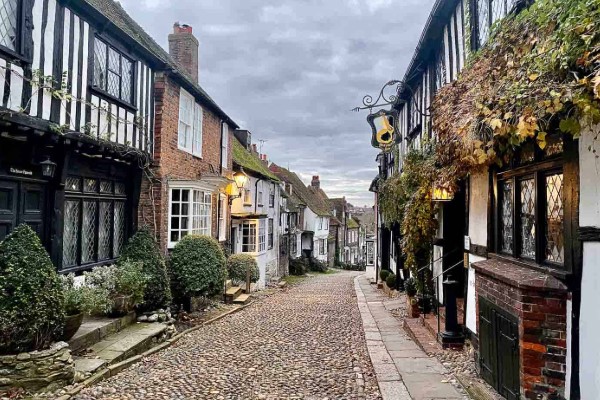
Rye, a picturesque historic town in Britain, clings to a hilltop overlooking the Romney Marsh in East Sussex. Its strategic coastal location, once a vital port, has shaped its character for centuries. The town’s winding cobbled streets and half-timbered buildings evoke a bygone era. It’s a fantastic example of a well-preserved medieval borough. Rye’s history is deeply rooted in the medieval period, with its origins as a strategically important Cinque Port. This association with the sea and trade helped to shape the town’s prosperity and its unique identity.
The town’s architecture is a delightful blend of styles, reflecting its long and varied history. You’ll find numerous well-preserved medieval buildings, including the Ypres Tower, a former defensive structure that now houses a museum. The Mermaid Inn, with its hidden passages and tales of smugglers, is a perfect example of the town’s history. The Church of St Mary, with its historic clock and stunning views from the tower, is a focal point of the town. The cobbled streets are lined with charming shops and boutiques.
Additionally, Rye’s connection to the sea is still evident today. The harbour, once a bustling port, is now a haven for pleasure boats. The town’s maritime history is celebrated through its many museums and attractions. You can explore the history of smuggling, fishing, and shipbuilding. Walking through the town’s network of narrow streets and lanes is a sensory delight.
Furthermore, Rye offers a wealth of attractions and activities. The town is also a haven for artists and writers. The town’s creative atmosphere is palpable. Whether you’re interested in history, architecture, or simply soaking up the atmosphere, Rye has something to offer everyone. The town’s unique character and its connection to the sea make it a truly special place to visit.
Web: https://ryetowncouncil.gov.uk/
3- Stratford-upon-Avon
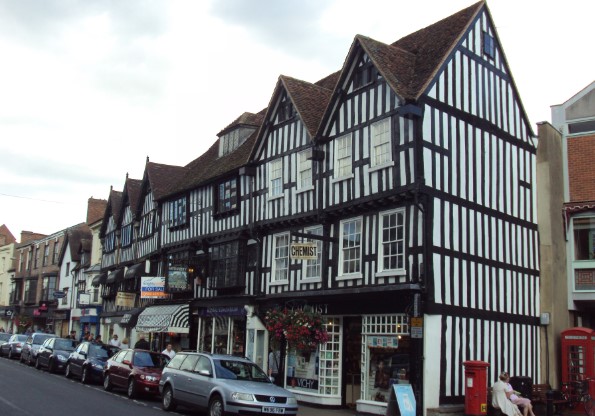
Stratford-upon-Avon, a town synonymous with William Shakespeare, is also steeped in medieval history. This ancient settlement in England provides a remarkable look at the past. Its picturesque location on the River Avon has been a crucial factor in its development. Stratford’s medieval heritage is inextricably linked to the legacy of William Shakespeare, with many of the town’s historic buildings dating from this period.
The town’s medieval roots are visible in its architecture and layout. The Holy Trinity Church, where Shakespeare is buried, is a beautiful example of medieval craftsmanship. The timber-framed houses, such as Shakespeare’s birthplace, offer a glimpse into the lives of people during the era. Shakespeare’s influence is evident throughout the town.
In addition, Stratford-upon-Avon offers a vibrant cultural scene. The Royal Shakespeare Theatre, a world-renowned venue, draws visitors from across the globe. The town’s historic market square, once a bustling hub of trade, still thrives today. You can explore the town’s medieval past through various museums and historical sites.
Thus, a visit to Stratford-upon-Avon is a journey through history. It combines the allure of Shakespeare with the beauty of its medieval architecture. From exploring Shakespeare’s birthplace to visiting the Holy Trinity Church, there is something for everyone.
Web: https://www.stratford.gov.uk/
4- Berwick-upon-Tweed
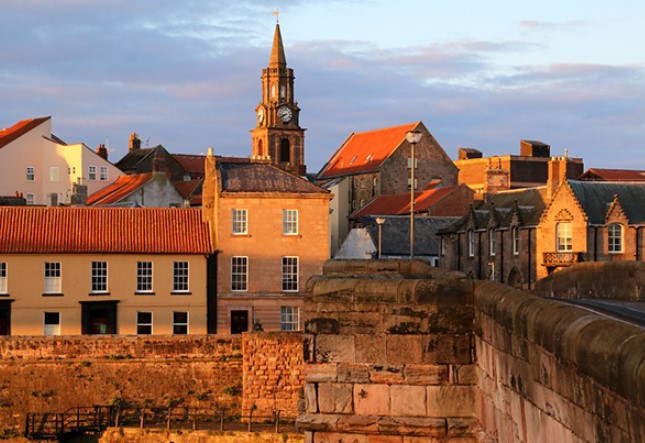
Berwick-upon-Tweed, a town on the border of England and Scotland, presents a unique perspective on medieval history. Its strategic location has played a crucial role in its evolution. It stands as a powerful illustration of a fortified medieval town in the UK. The town’s history is marked by centuries of conflict, changing hands between England and Scotland. This turbulent past has left its mark on the town’s architecture and layout.
The town’s fortifications, including its Elizabethan walls and its medieval bridge, are a testament to its strategic importance. The walls, some of the best-preserved examples in Britain, enclose the town and offer stunning views of the River Tweed. The town’s defensive structures reflect its long history of conflict. The medieval bridge, one of the oldest bridges in Britain, is a remarkable feat of engineering. It is still in use today.
Furthermore, Berwick-upon-Tweed’s medieval heritage is evident in its town centre. The narrow, winding streets and historic buildings evoke a bygone era. The town’s architecture is a blend of styles, reflecting its long and varied history. Berwick-upon-Tweed offers a fascinating insight into the history of the Anglo-Scottish border. The town’s museums and historical sites provide a deeper understanding of its past.
Therefore, a visit to Berwick-upon-Tweed is a journey through a tumultuous past. The town’s fortifications, its historic buildings, and its strategic location make it a unique destination. Its strategic importance and its turbulent history make it a fascinating place to explore. The town’s blend of history, culture, and natural beauty makes it a truly memorable experience.
Web: https://www.berwick-tc.gov.uk/
5- Duncarron Medieval Village
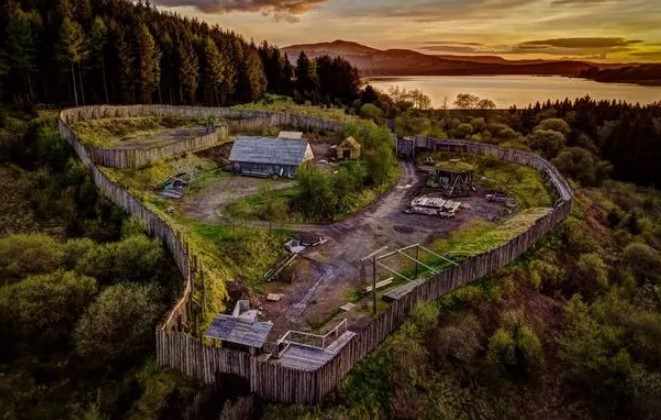
Duncarron Medieval Village, in Scotland, is a captivating example of a living history experience. It is not a typical medieval village, but a reconstruction built to educate and entertain. While not a genuine medieval settlement, it offers a unique opportunity to immerse yourself in the medieval world. The village is a testament to the dedication and passion of its creators.
The village has been meticulously constructed to replicate a medieval settlement. It provides visitors with a hands-on experience of medieval life. The village is a fantastic destination for those interested in history. The buildings are crafted using traditional methods and materials. This brings the past to life in a very vivid way.
The village’s focus on education and entertainment makes it a popular destination. Visitors can witness demonstrations of medieval crafts, weapons, and combat techniques. They can also participate in activities. The village offers a unique and engaging way to learn about the medieval period. The village’s commitment to authenticity is evident in every detail.
To conclude, Duncarron Medieval Village offers a fascinating insight into the medieval world. It is not a traditional medieval village. But it offers a unique and engaging experience for visitors of all ages. It’s a must-visit destination for anyone interested in medieval history. The village’s commitment to education and entertainment makes it a truly memorable experience.
Web: https://www.duncarronmedievalvillage.com/
6- Clitheroe

Clitheroe is a charming market town nestled in the heart of rural north-east Lancashire. The town’s origins can be traced back to the Norman Conquest, with its name deriving from the Old English phrase ‘clif’, meaning cliff, and ‘row’, meaning edge. The most striking feature is Clitheroe Castle, which dominates the skyline. This 12th-century stronghold offers a glimpse into the past and houses a museum that showcases the town’s history and artefacts.
The town is home to a vibrant community that celebrates its heritage through various events. Notably, the summer band concerts at the castle create a festive atmosphere, allowing locals and tourists to enjoy music amidst breathtaking scenery. The Last Night of the Proms in August is another highlight, bringing the community together for a night of celebration and unity.
The Council manages several allotments, providing residents with the opportunity to cultivate their gardens and enjoy the fruits of their labour. Additionally, the well-maintained play areas at Chester Avenue and Park Street offer a safe haven for families, ensuring that children can play and grow in a nurturing environment. These amenities enhance the quality of life in Clitheroe, making it a desirable place for families and individuals alike.
The picturesque streets of Clitheroe are dotted with independent shops and cafes. Strolling through the town, you can discover a variety of charming establishments that reflect the local character. The sense of community is palpable, with shopkeepers often engaging with customers, sharing stories about the town’s rich past. Whether you’re enjoying a traditional Lancashire hotpot in a local pub or browsing unique crafts in a boutique, Clitheroe’s medieval atmosphere is ever-present.
Web: http://www.clitheroetowncouncil.gov.uk/
7- Wharram Percy
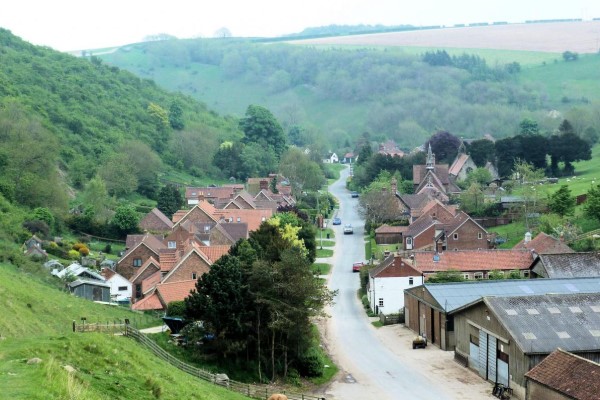
Wharram Percy is one of the most intriguing deserted medieval villages in the UK. Located in the Yorkshire Wolds, this ancient settlement offers visitors a unique glimpse into England’s past. Once a thriving community, Wharram Percy was abandoned in the 16th century, leaving behind fascinating ruins that tell a story of resilience and change. The village is now a Scheduled Ancient Monument, meticulously preserved to showcase its historical significance.
The site itself is surrounded by stunning natural beauty, making it a perfect spot for exploration. Visitors can wander through the lush countryside and enjoy the tranquil environment that envelops the village. The rolling hills and scenic landscapes of the Wolds provide an idyllic backdrop for those wishing to immerse themselves in nature. The area is also rich in wildlife, offering opportunities for birdwatching and peaceful walks. This stunning setting enhances the allure of Wharram Percy, making it an ideal destination for those seeking both history and beauty.
Wharram Percy is not merely a historical site; it is a testament to the evolving landscape of rural England. The village’s decline reflects broader social and economic changes that shaped the region during the late medieval period. Guided tours are available, offering insights into the archaeological findings and the village’s former life. Historians have uncovered fascinating details about the community, including their agricultural practices and social structures.
For those interested in history, Wharram Percy serves as an evocative reminder of a bygone era. The absence of modern buildings allows visitors to imagine the daily lives of its former inhabitants, making it a poignant experience. Additionally, the village is part of the wider Yorkshire Wolds area, which is rich in archaeological sites and historical significance.
Web: https://www.pocklington.gov.uk/
8- Lavenham
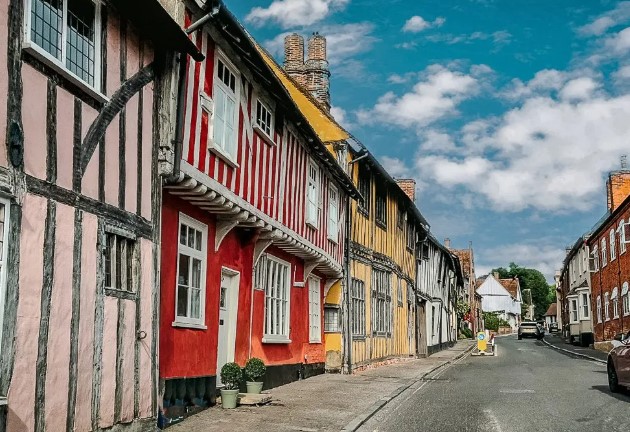
Lavenham is often regarded as one of the finest medieval villages in the UK, celebrated for its stunning architecture and rich history. Nestled in Suffolk, this quaint village boasts a plethora of timber-framed buildings that date back to the 15th century. Its well-preserved streets are lined with charming shops and cafes, providing a picturesque setting for visitors.
The village’s distinctive architecture is a significant draw for tourists and history buffs alike. Notably, the iconic St. Peter and St. Paul Church stands as a testament to Lavenham’s medieval past. This grand church, with its striking tower and intricate stained glass windows, attracts visitors from far and wide. As you wander, you’ll discover the unique features of Lavenham, from its crooked houses to its vibrant flower displays, all of which create a delightful atmosphere.
Lavenham is proud of its traditions, and events such as open gardens and local fairs bring the community together. These occasions provide an opportunity for residents and visitors to connect. The annual Lavenham Festival showcases local arts and crafts, highlighting the village’s creative spirit and welcoming atmosphere, making it a vibrant hub for culture and community.
The allure of Lavenham extends beyond its architectural beauty and events; it also offers a range of local shops and eateries. Visitors can indulge in traditional Suffolk cuisine at local pubs or browse unique artisan shops showcasing handmade crafts. The friendly atmosphere and warm hospitality of Lavenham create a welcoming experience.
Web: https://www.lavenham-pc.gov.uk/
9- Tyneham Village
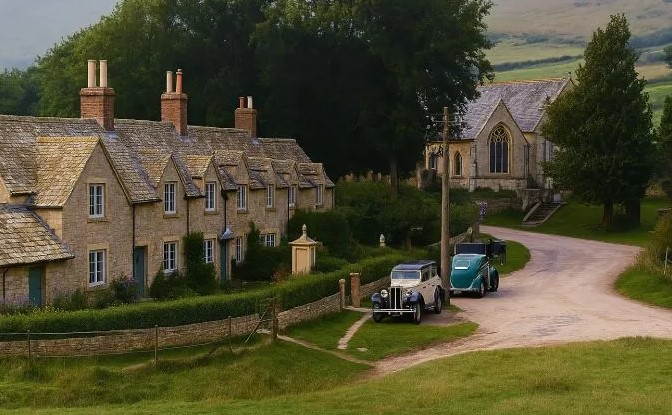
Tyneham Village is a unique and hauntingly beautiful site, recognised as one of the most fascinating medieval villages in the UK. Located near the stunning Jurassic Coast in Dorset, this abandoned village is steeped in history. Once a thriving community, Tyneham was evacuated during World War II to accommodate military training. The village was never returned to its original inhabitants, leading to its poignant status as a ghost village.
The ruins of Tyneham offer a glimpse into the daily lives of its former residents. Visitors can explore the remnants of homes, a school, and even a church, all of which tell the story of a close-knit community. The surrounding countryside is equally captivating, with scenic views that highlight the village’s beautiful location. The tranquil atmosphere of Tyneham provides a stark contrast to its historical narrative.
Walking through Tyneham Village is a profound experience, allowing for contemplation and connection with history. The site is maintained by the Ministry of Defence, with information boards providing insights into the village’s past and the reasons for its abandonment. The haunting beauty of the ruins, set against the backdrop of rolling hills and the sea, creates a poignant landscape that captivates all who visit. The village is a reminder of the resilience of the human spirit and the stories that remain buried in time.
Tyneham is also part of a larger area rich in natural beauty and outdoor activities. The nearby coastline offers opportunities for hiking and exploring the stunning Jurassic cliffs. Visitors can enjoy the breathtaking views and diverse wildlife that inhabit the region.
Web: https://www.dorsetcouncil.gov.uk/
10- Shrewsbury
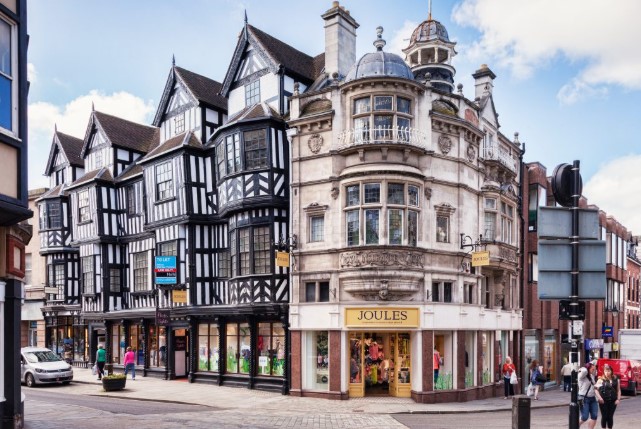
Shrewsbury is a picturesque medieval town renowned for its well-preserved historical architecture and vibrant culture. Nestled along the banks of the River Severn, this charming town boasts over 600 listed buildings, showcasing a variety of architectural styles from the medieval period. Shrewsbury’s character is defined by its narrow, winding streets and the iconic Shrewsbury Castle, which dates back to the 11th century. The castle, with its impressive stonework, offers visitors a glimpse into the town’s strategic significance during the medieval era.
The town is also famous for its rich history and cultural heritage. Shrewsbury has been a significant market town since the Middle Ages, and its bustling market square continues to thrive today. Here, visitors can discover local produce, crafts, and traditional foods, all while soaking up the lively atmosphere. The annual Shrewsbury Flower Show is a highlight of the town’s calendar, celebrating horticulture and community spirit in a beautiful setting.
Shrewsbury’s historic churches are another testament to its medieval legacy. St. Mary’s Church, with its stunning stained glass and intricate carvings, is a must-see for history enthusiasts. The church serves as a focal point for the community, hosting various events and gatherings throughout the year. Additionally, the town’s many parks and gardens provide serene spaces for relaxation and reflection.
Exploring Shrewsbury is a delightful experience, with a plethora of shops, cafes, and cultural attractions to enjoy. With its vibrant arts scene and numerous galleries, Shrewsbury invites visitors to immerse themselves in local creativity. The combination of historical significance, cultural richness, and scenic beauty makes Shrewsbury one of the finest medieval villages in the UK, appealing to those eager to explore the past and enjoy the present.
Web: https://www.shrewsburytowncouncil.gov.uk/
Faq’s
What makes medieval villages in the UK worth visiting?
Medieval villages in the UK offer a unique glimpse into the country’s rich and layered history. These villages often retain original architecture, such as timber-framed cottages, narrow cobbled streets, and centuries-old churches. The sense of stepping back in time, combined with the natural beauty of the surrounding countryside, creates an experience that is both educational and deeply atmospheric.
How can I identify authentic medieval villages in the UK?
Authentic medieval villages in the UK are often characterised by well-preserved or sympathetically restored buildings from the 11th to 15th centuries. Look for features such as thatched roofs, medieval street layouts, market squares, and ancient inns. Many of these villages also appear in historical records and have conservation status, helping protect their heritage and charm.
Are medieval villages in the UK suitable for family visits?
Yes, medieval villages in the UK can be very family-friendly. Many have attractions such as local museums, heritage trails, and seasonal fairs that appeal to visitors of all ages. The peaceful environment, combined with educational opportunities and scenic walking routes, makes them a great choice for a relaxed family day out or a short getaway.
What is the best time to explore medieval villages in the UK?
The ideal time to visit medieval villages in the UK is during spring or early autumn. During these seasons, the weather is usually mild, the landscapes are especially picturesque, and the villages are less crowded. However, summer offers longer days and vibrant local events, while winter can be atmospheric with festive decorations and fewer tourists.
Are there guided tours available in medieval villages in the UK?
Many medieval villages in the UK offer guided walking tours, either led by local experts or available as self-guided audio experiences. These tours provide fascinating insights into the village’s origins, key historical events, and architectural features. Some villages also have visitor centres with maps and information to help enhance your exploration.